
Dental Bridge Cost in Mexico 2025 (Save 80% on 4 Unit Bridge)
Table of Contents
- Dental Bridge Cost in Mexico vs. The US: A Price Comparison
- A Breakdown of Dental Bridges Cost in Mexico by Type and Material
- The Dental Bridge Procedure: What to Expect During Your Trip to Mexico
- Pros and Cons of Getting Your Dental Bridge in Mexico
- Finding the Best Dentist in Mexico: City Price Comparison
- Frequently Asked Questions
- Final Thoughts
Facing a potential bill of $13,000 for a 4-unit dental bridge in the US? Discover how Mexico offers the same high-quality dental work for as little as $650.
This guide breaks down the exact dental bridge cost in Mexico, explores material options like Zirconia and E-Max, and outlines the step-by-step treatment process for your dental tourism trip.
Dental Bridge Cost in Mexico vs. The US: A Price Comparison
When comparing dental care expenses between countries, the difference can be staggering. Mexican clinics offer remarkable savings without compromising the quality of your restoration.
The table below reveals the complete price breakdown:
| Procedure | Average Cost in Mexico (USD) | Average Cost in the US (USD) | Savings |
|---|---|---|---|
| 4-Unit Dental Bridge | $650 - $1,800 | $4,000 - $13,000 | 70-80% |
| 3-Unit Dental Bridge | $405 - $1,700 | $2,850 - $10,400 | 70-80% |
| 6-Unit Dental Bridge | $2,700 | $6,000 - $19,500 | 75%+ |
| 3-Unit Implant-Supported Bridge | $2,200 | $12,000 | 82% |
| Single Dental Crown (per unit) | $120 - $600 | $1,100 - $2,500 | 75%+ |
Understanding Your Savings Potential
The numbers tell a compelling story. Larger procedures deliver even greater absolute dollar savings, making a full mouth restoration particularly attractive when considering dental work across the border.
Mexico's significantly lower operational costs drive these price differences. Rent, labor, and overhead expenses in Mexican dental clinics are substantially less than their American counterparts, allowing dentists to pass savings directly to patients.
Quality remains consistent across the border. Mexican dentists often train at internationally recognized institutions and maintain the same standards you'd expect in North American facilities.
Patient volume speaks volumes about confidence in Mexican dental care. Over 1.1 million Americans traveled to Mexico for medical care in 2019, with dental treatment being a primary reason for these trips.
A Breakdown of Dental Bridges Cost in Mexico by Type and Material
Understanding your options helps you make informed decisions about your restoration. Different bridge types and materials each offer unique advantages at varying price points.
4 Main Types of Dental Bridges and Their Costs
Traditional Dental Bridge
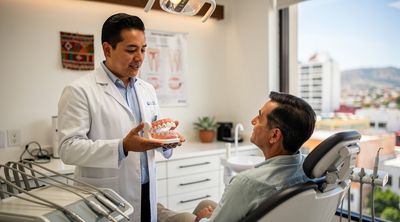
A traditional dental bridge is a restoration consisting of one or more artificial teeth held securely by dental crown caps placed on adjacent natural teeth.
This approach costs between $500 and $1,500 in Mexico for a 3-unit structure. The method works best when you have healthy teeth on both sides of the gap.
Your dentist prepares the supporting teeth by reshaping them, then cements the bridge permanently in place. This time-tested solution has helped millions restore their smiles.
Cantilever Bridge
Think of this as a traditional bridge's cousin. The pontic attaches to a crown on just one side rather than both.
Mexican clinics typically charge $450 to $1,200 for this option. It's ideal when you only have one natural tooth next to the missing tooth gap.
The single-sided support makes it less suitable for areas experiencing heavy chewing forces.
Maryland Bridge
This conservative approach uses a metal or porcelain framework bonded to the back of adjacent teeth. No crowns required.
Expect to pay between $300 and $900 in Mexico. The minimal preparation makes it perfect for replacing front teeth where aesthetics matter most.
Because it doesn't require extensive tooth reduction, Maryland bridges preserve more of your original tooth structure.
Implant-Supported Bridge
Rather than relying on natural teeth, this solution uses dental implants surgically placed in your jawbone as anchors.
A 3-unit bridge on 2 implants costs between $1,500 and $4,000 in Mexico. This approach protects healthy teeth from alteration and helps prevent bone loss in the jaw.
According to a clinical study, these restorations boast a remarkable success rate of 94.9%.
Dental Crowns Cost in Mexico: PFM vs. Zirconia vs. E-Max
Each crown material brings distinct characteristics to your restoration. The chart below compares per-unit costs for the building blocks of your bridge:
| Material | Cost Per Unit (Mexico, USD) | Key Characteristics & Lifespan |
|---|---|---|
| PFM (Porcelain-Fused-to-Metal) | $210 - $900 | Strong metal base with a natural-looking porcelain overlay. 99.5% survival rate over 5 years. |
| All-Porcelain/Ceramic | $250 - $1,730 | Highly aesthetic and translucent, ideal for front teeth. 92% survival rate over 5 years. |
| Zirconia | $450 - $1,700 | Extremely durable and aesthetic, suitable for any tooth. 98% survival rate over 5 years. |
| E-Max | $450 - $1,700 | Premium lithium disilicate ceramic known for superior strength and translucency. 94% survival rate over 5 years. |
PFM crowns offer exceptional durability at moderate prices. The metal framework provides strength while the porcelain overlay maintains a natural appearance.
Zirconia crowns deliver outstanding performance for any position in your arch. Their superior strength and modern aesthetic properties make them increasingly popular.
E-Max represents the premium choice for those prioritizing both strength and beauty. This lithium disilicate ceramic combines translucency with remarkable durability.
The Dental Bridge Procedure: What to Expect During Your Trip to Mexico
Understanding the treatment timeline helps you plan your trip effectively. Most patients complete their restoration in two visits spread across a few weeks.
The Typical Two-Visit Dental Treatment Plan
Visit 1: Preparation Phase (1-3 Days)
Your journey begins with a comprehensive consultation and X-rays. This initial exam costs typically $30 to $50 and allows your dentist to assess your oral health thoroughly.
Next comes abutment preparation. The dentist carefully removes a thin layer of enamel from the supporting teeth to create room for the crowns.
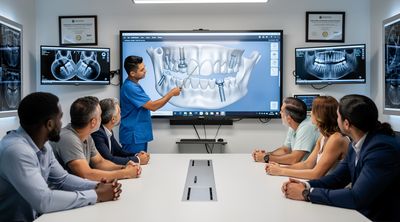
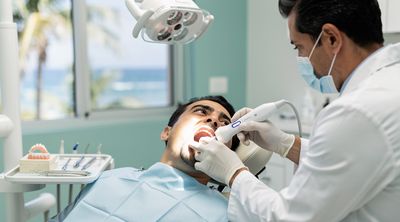
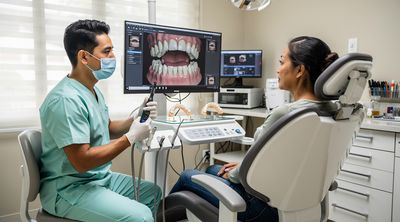
Your dentist takes precise impressions or 3D scans of your prepared teeth. These molds guide the lab technicians who craft your custom bridge over the next 1-2 weeks.
A temporary bridge protects your prepared teeth during the fabrication period.
Visit 2: Final Placement (1-2 Days)
You return to the dental clinic once your permanent bridge is ready. The dentist removes your temporary restoration and carefully checks the new bridge for fit, bite alignment, and color match.
Minor adjustments ensure perfect comfort and function. Once everything looks and feels right, the bridge is permanently cemented into position.
A final X-ray may verify proper placement and fit. You leave with your restored smile complete.
Same-Day Crowns and Accelerated Timelines
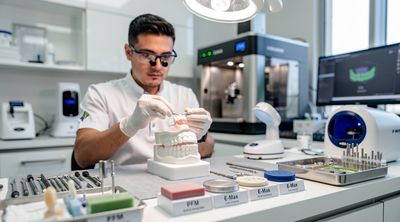
Technology continues advancing dental care delivery. Many top Mexican clinics now feature in-house labs and CEREC® CAD/CAM systems.
This sophisticated equipment designs, mills, and finishes high-quality ceramic or zirconia restorations in a single appointment or within 3-4 days.
The one-visit option proves ideal for dental tourists operating on tight schedules. You avoid the need for a second trip while still receiving excellent results.
Pros and Cons of Getting Your Dental Bridge in Mexico
Making informed decisions requires understanding both advantages and considerations. Here's an honest assessment of what to expect.
Key Advantages: Quality Dental Work for Less
The cost savings stand out immediately. You'll save 70-80% compared to US and Canadian prices for the same procedures.
Restored function transforms your daily life. Eating, speaking, and smiling become natural again rather than sources of embarrassment or difficulty.
Your smile's appearance improves dramatically. Gaps disappear, your natural face shape returns, and confidence rebuilds.
Prevention matters too. Bridges stop remaining teeth from drifting out of position, protecting your bite alignment.
The procedure timeline beats alternatives. Getting a bridge requires less time than placing individual dental implants for multiple missing teeth.
Potential Disadvantages to Consider
Traditional bridges require altering healthy adjacent teeth. The dentist must remove enamel from these teeth to place the supporting crowns.
Unlike dental implants, traditional bridges don't stimulate jawbone tissue. This can lead to gradual bone loss in the area over time.
Proper care becomes essential. Decay can develop under the crowns on abutment teeth if you don't maintain excellent oral hygiene.
Longevity differs from dental implants. Dental bridges typically last 5-15 years, while properly maintained implants can last a lifetime.
Finding the Best Dentist in Mexico: City Price Comparison
Location affects both cost and convenience. The table below compares average 4-unit bridge prices across popular dental tourism destinations:
| City | 4-Unit Bridge Cost (USD) | Key Notes | Savings vs. US Average ($8,500) |
|---|---|---|---|
| Tijuana | $650 - $1,800 | Border proximity to San Diego; many clinics with advanced tech like CEREC. | 79% - 92% |
| Los Algodones | $650 - $1,800 | "Molar City," known for high competition and low prices; many clinics have onsite labs. | 79% - 92% |
| Nuevo Progreso | $650 - $1,600 | Easy access from Texas; clinics often provide free transport from the border. | 81% - 92% |
| Cancun | $800 - $1,800 | Combine dental care with a vacation; clinics often offer all-inclusive packages. | 79% - 91% |
| Playa del Carmen | $800 - $1,800 | Tourist-friendly location with modern clinics offering CAD/CAM technology. | 79% - 91% |
| Los Cabos | $800 - $1,800 | Premium destination with top clinics offering warranties and airport transfers. | 79% - 91% |
Border cities like Tijuana, Los Algodones, and Nuevo Progreso offer maximum convenience for Americans. You can drive across, receive treatment, and return home the same day if needed.
Los Algodones earns its "Molar City" nickname honestly. The high concentration of dental clinics creates healthy competition that keeps prices competitive.
Resort destinations like Cancun and Playa del Carmen let you combine affordable dental care with a relaxing vacation. Many clinics coordinate with hotels and offer all-inclusive packages.
Proximity to your home matters when planning a two-visit procedure. Consider travel costs alongside the bridge cost when calculating total savings.
Frequently Asked Questions
How long does a dental bridge last in Mexico?
Quality bridges from Mexican clinics typically last 5-15 years with proper care, matching the lifespan you'd expect from US-made restorations. The longevity depends on your oral hygiene habits, the number of crowns involved, and the material chosen. Regular dental checkups and thorough cleaning extend bridge life significantly.
Is it safe to get dental work done in Mexico?
Yes, when you choose accredited clinics with experienced dentists. Research facilities thoroughly, verify certifications, read patient reviews, and confirm the use of modern sterilization equipment. Many Mexican dentists train at internationally recognized institutions and maintain standards comparable to North American practices.
Do I need dental insurance for treatment in Mexico?
Most US dental insurance plans don't directly cover out-of-country procedures. However, you can often submit receipts for reimbursement based on your plan's allowable costs. Even without insurance coverage, the savings in Mexico usually exceed what insurance would pay in the United States, making it an affordable dental option.
Can I get a bridge if I have bone loss?
Traditional bridges don't require sufficient bone density because they rest on existing teeth rather than in your jawbone. However, if you're considering an implant-supported bridge, adequate bone is essential. Your dentist will evaluate your situation during consultation and may recommend bone grafting if necessary.
What's the difference between a bridge and dental implants?
A dental bridge replaces missing teeth using adjacent teeth for support, while dental implants are titanium posts surgically placed in your jawbone to replace a tooth root. Bridges cost less and require less treatment time but don't prevent bone loss. Implants preserve jawbone and can last longer but involve surgery and higher costs.
Final Thoughts
Getting a dental bridge in Mexico offers an unparalleled combination of affordability and high-quality care, allowing you to restore your smile without draining your savings. Success depends on choosing an accredited dental clinic with experienced dentists, modern technology, and positive Mexico dental reviews. The significant savings make the short trip a financially sound decision for your dental health.