Medical Tourism to Mexico: Price Comparison (Save 40-85%)
Welcome to your complete guide to medical tourism in Mexico. With over 1.2 million Americans crossing the border for care in 2023, Mexico has become a top destination for high-quality, affordable medical treatment.
Table of Contents
- Comparative Cost of Medical Treatment: Mexico vs. The US and Canada
- Why Is High-Quality Medical Care in Mexico So Affordable?
- A Guide to Mexico's Top Medical Tourism Destinations
- How to Ensure Safety and Quality from Mexican Health Care Providers
- Planning Your Medical Treatment: A Guide for the American Medical Tourist
- Frequently Asked Questions
- Final Thoughts
This guide provides a detailed price comparison for popular procedures, highlights the best destinations, and offers a step-by-step plan for a safe and successful medical journey.
Comparative Cost of Medical Treatment: Mexico vs. The US and Canada
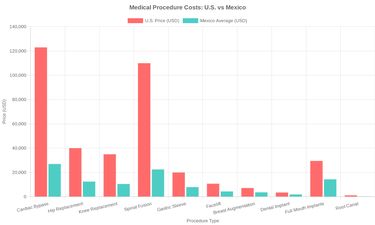
Let's cut to the chase. The price difference between medical care in Mexico and the United States is staggering.
When you compare costs side by side, the savings become impossible to ignore. Whether you need major surgery or routine dental work, Mexico offers dramatically lower prices without sacrificing quality.
Here's what you need to know:
Complete Surgical and Dental Procedure Price Comparison
| Procedure | U.S. Price (USD) | Mexico Average (USD) | Savings % vs. U.S. |
|---|---|---|---|
| Cardiac Bypass | $123,000 | $27,000 | 78% |
| Heart Valve Replacement | $170,000 | $28,200 | 83% |
| Hip Replacement | $40,000 | $12,500 | 69% |
| Knee Replacement | $35,000 | $10,500 | 70% |
| Spinal Fusion | $110,000 | $22,500 | 80% |
| Gastric Sleeve | $20,000 | $7,000 - $8,900 | 40-60% |
| Facelift | $6,500 - $15,000 | $4,250 - $4,500 | 30-70% |
| Breast Augmentation | $6,400 - $8,000 | $3,500 - $3,800 | 30-50% |
| Dental Implant (Single) | $2,500 - $4,500 | $790 - $3,000 | 50-85% |
| Full Mouth Implants | $24,000 - $35,000 | $4,800 - $23,900 | 66-85% |
| Veneers (per tooth) | $900 - $2,000 | $130 - $500 | 50-85% |
| Root Canal | $900 - $1,400 | $168 - $446 | 50-85% |
Key Savings Insights
The numbers tell a compelling story. Medical tourists can expect to save between 40-85% on procedures compared to U.S. prices.
Here's where the real value lies:
- Overall Savings: Most procedures cost less than half what you'd pay at home, with many dental and surgical treatments costing just 15-30% of U.S. prices.
- High-Cost Procedure Advantage: Major operations like cardiac surgery, orthopedic procedures, and spinal fusion offer the largest dollar savings. You could save over $80,000 on a heart valve replacement alone.
- Dental Value: Mexico's dental care sector provides exceptional value. Procedures like full mouth implants can save you up to 85%, potentially putting tens of thousands of dollars back in your pocket.
- Elective Surgery: Popular elective treatments like bariatric and cosmetic surgery typically cost 40-70% less than in the U.S., making previously unaffordable procedures accessible to many more people.
Why Is High-Quality Medical Care in Mexico So Affordable?
You might be wondering how Mexico manages to offer such low prices. The answer has nothing to do with cutting corners on quality.
Several economic factors combine to create these savings while maintaining international standards of care.
Lower Operating and Living Costs
The foundation of Mexico's pricing advantage starts with basic economics. The cost of living in Mexico is approximately 39% lower than in the United States.
This difference affects every aspect of healthcare delivery. Private hospitals benefit from substantially lower overhead costs, including cheaper rent, utilities, and staff salaries.
Medical and dental costs benefit directly from this economic differential. Prescription and over-the-counter medications are often 30-60% cheaper than in the U.S., reducing the overall cost of treatment and recovery.
The savings extend beyond just facility costs. Everything from surgical supplies to administrative expenses costs less in Mexico, and these savings get passed directly to patients.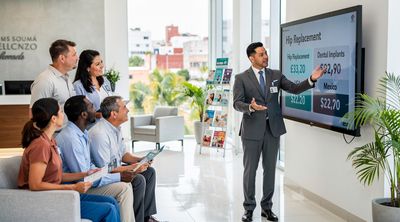
Government-Subsidized Education for Health Care Providers
American doctors carry a heavy financial burden. The average medical school graduate in the United States faces approximately $300,000 in student loan debt.
Mexican physicians tell a different story. Many graduate from government-subsidized medical schools with little to no debt burden.
This makes a huge difference in pricing. Without crushing monthly loan payments, Mexican healthcare providers can charge fair market rates rather than inflated prices designed to cover massive debt obligations.
The same applies to specialists across all fields. Whether you're seeing a dentist, plastic surgeon, or oncology specialist, reduced educational costs translate to more affordable care.
Intense Market Competition
Competition drives innovation and lower prices. Nowhere is this more evident than in Mexico's border towns.
Take Los Algodones, known as "Molar City." This small town packs over 500 dental clinics into just a few square miles. Each clinic competes aggressively for patients crossing the border.
The numbers are impressive. In 2022, Baja California alone received 4.2 million visitors for health-related reasons. That level of patient volume creates fierce competition for business.
This high concentration of providers naturally drives prices down. Clinics must offer competitive rates and excellent service to stand out. Patients benefit from this market dynamic through both lower costs and higher quality standards.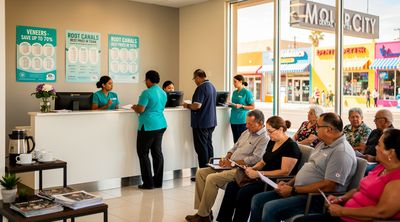
A Guide to Mexico's Top Medical Tourism Destinations
Choosing the right location matters. Each major medical tourism destination in Mexico offers unique advantages.
Your decision should depend on the type of procedure you need, your budget, and whether you want to combine treatment with recovery in a vacation setting.
1. Border Cities: Tijuana and Los Algodones
Border cities offer unmatched convenience for American patients. You can literally drive across the border, receive treatment, and return home the same day for many procedures.
Tijuana stands out as a major hub for bariatric surgery, cosmetic surgery, and advanced dental work. Located just 20 minutes from San Diego, this city provides easy access to world-class medical facilities.
The gastric sleeve surgery performed in Tijuana attracts thousands of patients annually. Many internationally accredited clinics specialize in weight loss procedures.
Los Algodones has earned its nickname as the "Dental Capital of the World." This tiny town offers highly affordable dental implants, crowns, and veneers. The concentration of dental providers is remarkable.
In 2023, Mexico received 1.2 million U.S. medical tourists, with the majority visiting border cities in Baja California. The proximity eliminates long waiting times for travel and makes follow-up care much easier to manage.
2. Vacation Destinations: Cancun and Puerto Vallarta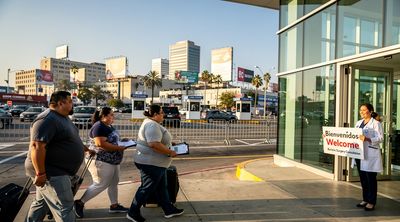
Why not combine recovery with relaxation? Beach destinations like Cancun and Puerto Vallarta let you recover in paradise.
Cancun offers more than beautiful beaches. The city is home to JCI-accredited facilities like Galenia Hospital, offering a wide range of dental and surgical procedures. You can schedule your treatment and plan a few extra days to recuperate by the ocean.
Puerto Vallarta features top hospitals like Hospiten, specializing in cardiology, neurology, and orthopedic procedures. These facilities rival anything you'd find in major U.S. cities.
The climate matters for recovery. The dry season from December to April is ideal for combining medical treatment with tourism. You'll enjoy pleasant weather while you heal.
Patients often bring family members who can explore the area while supporting their loved one's recovery. This creates a completely different experience than a sterile hospital environment back home.
3. Major Hubs: Mexico City and Guadalajara
For complex procedures requiring specialized expertise, major metropolitan areas offer the most advanced care available in Latin America.
Mexico City houses some of the continent's most prestigious medical facilities. Medica Sur, a Mayo Clinic affiliate, provides complex specialty care at internationally recognized standards. The city attracts top medical talent from across the region.
Guadalajara has developed a strong reputation for high-end facilities like Hospital San Javier. This hospital focuses on gastroenterology, obesity treatment, and spine surgery using cutting-edge technology.
These major hubs feature numerous board-certified specialists trained in the U.S. and Europe. You'll find experts in fertility treatments, cancer treatment, and virtually any specialty you might need.
The concentration of medical expertise in these cities means you have access to second opinions and comprehensive care teams. For serious or complicated procedures, this level of resources can be invaluable.
How to Ensure Safety and Quality from Mexican Health Care Providers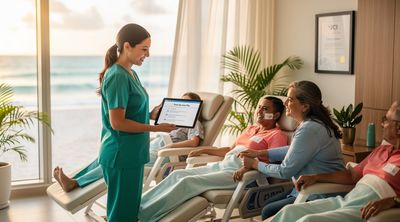
Safety concerns are natural when considering medical care abroad. The good news? You can take concrete steps to verify quality and minimize risk.
Smart patients do their homework. The key is knowing what to look for.
Look for International Accreditation
Accreditation provides an objective measure of quality. The gold standard is certification by the Joint Commission International (JCI).
Mexico has nine internationally accredited hospitals that meet the highest global standards of care. These facilities undergo rigorous evaluation of everything from patient safety protocols to infection control.
JCI accreditation isn't easy to obtain. Hospitals must demonstrate excellence across hundreds of standards. This certification ensures you're receiving care that meets or exceeds what you'd find in top U.S. hospitals.
Beyond JCI, all medical facilities in Mexico operate under oversight from the country's General Health Council. This provides an additional layer of quality control and regulatory compliance.
Mexico has also received the "Safe Travel" stamp from the World Travel & Tourism Council. This indicates a national commitment to health and safety protocols for visitors.
Verify Surgeon Credentials and Technology
Individual provider qualification matters as much as facility accreditation. Always confirm that your chosen surgeon or dentist is board-certified and has substantial experience treating international patients.
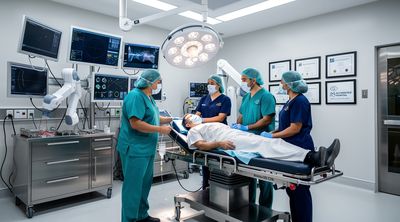
Modern equipment is essential. Top clinics use the same advanced technology as leading U.S. hospitals. This includes CAD/CAM systems for dental restorations, robotic surgery platforms, and state-of-the-art imaging equipment.
Check whether the clinic has experience with your specific procedure. Ask how many times they've performed the operation and request before-and-after photos or patient testimonials.
Language barriers can create serious problems. Reputable clinics catering to medical tourists employ English-speaking doctors, staff, and patient coordinators. Clear communication is critical for safe, successful treatment.
Don't hesitate to schedule a video consultation before committing. This allows you to assess the provider's communication style and expertise firsthand.
Planning Your Medical Treatment: A Guide for the American Medical Tourist
Proper planning separates successful medical tourism experiences from disappointing ones. A methodical approach reduces stress and improves outcomes.
Think of this as a roadmap for your journey.
Research, Documentation, and Scheduling
Start early. Begin planning 3-6 months in advance of your desired treatment date. This gives you time to research thoroughly and secure the best providers.
Get multiple quotes. Contact several JCI-accredited facilities or work with a reputable medical tourism facilitator to obtain detailed treatment plans and cost estimates. Compare not just prices but also what's included in each quote.
Documentation requirements are straightforward but important. You'll need:
- A valid passport
- An FMM Tourist Permit (required for stays longer than 7 days)
- Medical records and recent X-rays from your U.S. doctor
Organize these documents well in advance. Many clinics request medical records during the initial consultation to develop an accurate treatment plan.
Schedule strategically. Consider recovery time when booking your procedure. You don't want to rush home before you're ready to travel safely.
Navigating Payments, Insurance, and Aftercare
Understanding payment processes prevents unwelcome surprises. Most clinics accept USD cash, credit or debit cards (often with a 2-5% processing fee), and bank transfers. Always confirm accepted payment methods before your arrival.
Insurance coverage is complicated. Standard U.S. Medicare does not cover care in Mexico. Some private Medigap or Advantage plans may offer limited emergency coverage, but you'll typically pay upfront and submit claims for reimbursement later.
Check with your insurance provider before traveling. Get written confirmation of any coverage they might provide. Don't assume anything.
Follow-up care requires coordination. Discuss your recovery plan with both your Mexican and U.S. doctors. They need to work together to ensure continuity of care.
Always arrange for a companion to travel with you. Having someone to provide support during your initial recovery makes a significant difference in both comfort and safety.
Understanding Legal Recourse and Malpractice
Warranties provide protection for dental work. Many dental clinics offer guarantees on their work, such as 3-5 years for crowns and up to 25 years for certain dental implants. Get these warranties in writing.
Legal action in Mexico follows different procedures than in the United States. While rare, pursuing a malpractice claim can be complex and time-consuming. The best strategy is prevention through careful vetting.
Choosing highly-vetted, accredited hospitals significantly reduces risk. These facilities maintain insurance and follow strict protocols specifically to prevent complications.
Consider purchasing specialized medical tourism insurance. These policies can cover complications or the need for additional care upon returning home. The peace of mind often justifies the additional cost.
Read all consent forms carefully before signing. Use translation services if needed. Understanding exactly what you're agreeing to protects your rights and sets clear expectations.
Frequently Asked Questions
Is medical care in Mexico safe for Americans?
Yes, when you choose accredited facilities with board-certified providers. Mexico's top hospitals meet the same international standards as leading U.S. medical centers. Over a million Americans safely receive treatment in Mexico each year.
How much can I actually save on procedures in Mexico?
Savings range from 40-85% depending on the procedure. Major surgeries like bypass surgery or hip replacement can save you $25,000 to $140,000. Even smaller procedures like veneers or root canals save thousands.
What if something goes wrong after I return home?
Discuss post-treatment care before your procedure. Many clinics include follow-up virtual consultations. For dental work, warranties often cover repairs or replacements. Medical tourism insurance can cover complications requiring additional treatment. Keep all medical records and contact information for your Mexican providers.
How do I find reputable clinics and avoid scams?
Look for JCI or similar international accreditation. Verify surgeon credentials through professional boards. Check Los Algodones dentist prices or Tijuana dentist prices from established sources. Read multiple patient reviews. Avoid clinics that pressure you to decide quickly or refuse to provide detailed information.
Can I combine treatment with a vacation?
Absolutely. Popular destination cities like Cancun, Puerto Vallarta, and Mexicali offer excellent medical facilities alongside tourism amenities. Many patients bring family members who vacation while providing support. Just allow adequate recovery time before engaging in strenuous activities.
Final Thoughts
Medical tourism to Mexico offers a powerful combination of affordability, accessibility, and high-quality care. The savings on everything from dental implants to major surgical procedures can be life-changing, reaching up to 85%.
By focusing on accredited private hospitals, conducting thorough research, and planning your trip carefully, you can safely achieve your health goals while saving thousands of dollars.