11 Best Countries for Medical Tourism in 2026 (Save up to 75%)
Medical tourism is booming, with the industry projected to grow by around 20% annually. Patients are saving 50-90% on world-class procedures just by traveling abroad.
Table of Contents
- 1. Singapore: The Top Medical Destination for Premium Healthcare
- 2. Thailand: Global Hub for Affordable Cosmetic and Orthopedic Care
- 3. India: The Cost Leader for Complex and Cardiac Medical Tourism
- 4. Mexico: North America's Go-To for Dental and Bariatric Procedures
- 5. Turkey: Europe's Rising Star in Cosmetics and Hair Transplants
- 6. South Korea: The Epicenter of Cosmetic Innovation and Robotic Surgery
- 7. Malaysia: An Affordable Asian Alternative for Fertility and Cardiology
- 8. Costa Rica: Combining Eco-Tourism with High-Quality Dental Care
- 9. United Arab Emirates (UAE): The Luxury Hub for Middle East Medical Tourism
- 10. Spain: Europe's Premier Destination for Fertility Treatments
- 11. Canada: A Top Medical Choice for Quality and Proximity to the US
- Comparing Medical Tourism Costs: USA vs. Top Destinations
- Frequently Asked Questions
- Final Thoughts
This guide breaks down the 11 best countries for medical tourism, detailing their specializations, cost savings, and top-tier facilities to help you make an informed healthcare decision.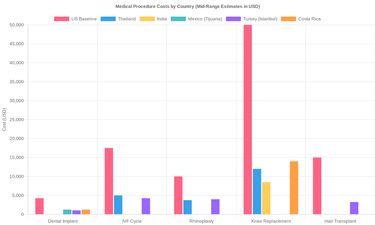
1. Singapore: The Top Medical Destination for Premium Healthcare
Singapore stands out as a powerhouse in the medical tourism industry, delivering exceptional care through cutting-edge technology and rigorous quality standards.
The country ranks #2 overall in the Medical Tourism Index (MTI), with a perfect #1 score for Quality of Facilities & Services. This recognition reflects Singapore's commitment to excellence in every aspect of patient care.
Over 500,000 international patients travel to Singapore annually, seeking treatments that combine precision medicine with advanced surgical techniques. The country has built its reputation on delivering complex procedures with consistently outstanding outcomes.
What sets Singapore apart:
Singapore excels in oncology, cardiology, neurology, and complex organ transplants. These specializations attract patients who need sophisticated medical interventions that demand the highest level of expertise.
Mount Elizabeth Hospital and National University Hospital represent the caliber of healthcare facilities available. Both institutions hold JCI accreditation, the gold standard for international healthcare quality.
Cost considerations:
While Singapore offers premium care, prices remain approximately 50% lower than comparable treatments in the United States.
Heart bypass surgery costs between $18,000 and $25,000, compared to $120,000 in the US. A liver transplant ranges from $75,000 to $140,000, versus $300,000 domestically.
The combination of world-class medical care and significant savings makes Singapore an attractive option for patients prioritizing quality above all else.
2. Thailand: Global Hub for Affordable Cosmetic and Orthopedic Care
Thailand dominates the global medical travel landscape, attracting over 3 million patients annually. This massive volume reflects decades of investment in healthcare infrastructure and a focus on patient satisfaction.
The country offers extraordinary value, with savings ranging from 50-80% compared to US prices. These dramatic cost reductions make previously unaffordable procedures accessible to a broader range of patients.
Popular procedures and pricing:
A facelift costs approximately $6,000, compared to $20,000 or more in the United States. Patients seeking fertility treatments pay $4,000 to $6,000 for an IVF cycle, versus $15,000 domestically.
Heart valve replacement demonstrates Thailand's capability in complex cardiac procedures, priced at $25,000. This represents an 80% discount compared to Western prices.
Thailand boasts 60 JCI-accredited hospitals, more than most other medical tourism destinations. Bumrungrad International Hospital stands as the flagship facility, serving 1.1 million patients per year.
The recovery advantage:
What makes Thailand unique is the integration of recovery with tourism. Patients can recuperate in luxury settings in Phuket or Bangkok, transforming medical treatment into a comprehensive wellness experience.
This combination of affordable excellence and attractive recovery environments explains why Thailand consistently ranks among the top destinations for healthcare seekers worldwide.
3. India: The Cost Leader for Complex and Cardiac Medical Tourism
India operates the world's most cost-effective medical tourism market, generating $9 billion annually while serving over 2 million medical tourists.
The country delivers savings between 75-80%, the most aggressive discounts available globally. These remarkable price advantages don't compromise quality, as India's success rates match or exceed international standards.
Cardiac excellence:
Heart bypass surgery costs $7,000 to $15,000 with a 98% success rate, compared to $120,000 in the United States. This combination of affordability and outcomes has made India a magnet for cardiac patients worldwide.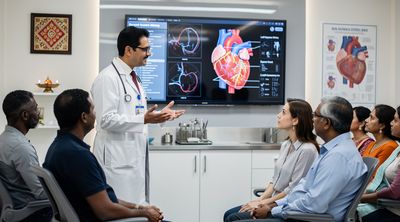
Hip replacement surgery runs $7,000 to $10,000, versus $40,000 or more domestically. These savings allow patients to access life-changing orthopedic procedures that might otherwise remain out of reach.
Specialized capabilities:
India excels in high-acuity procedures including cardiac surgery, oncology, orthopedics, and transplants. The country's healthcare professionals receive rigorous training, often in Western institutions, before returning home to practice.
Apollo and Fortis represent India's premier hospital networks, both holding JCI accreditation. English-speaking doctors are standard, eliminating language barriers that might complicate care in other destinations.
The infrastructure supporting India's medical tourism sector continues expanding, with new internationally accredited facilities opening regularly to meet growing demand.
4. Mexico: North America's Go-To for Dental and Bariatric Procedures
Mexico offers unparalleled convenience for US and Canadian patients seeking affordable medical care. Border cities like Tijuana enable same-day or short-stay procedures without extensive travel.
This proximity advantage has made medical tourism to Mexico extraordinarily popular, particularly for treatments requiring multiple visits.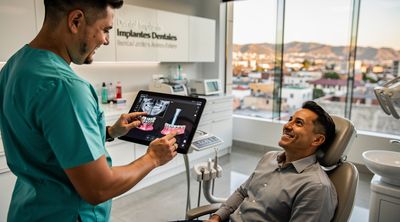
Cost savings breakdown:
Dental implants cost $1,000 to $1,500, compared to $3,500 or more in the United States. This dramatic difference has created a thriving dental implant industry in Mexican border cities.
Gastric sleeve surgery ranges from $6,000 to $8,500, versus $25,000 domestically. The affordability of bariatric procedures has transformed lives for thousands of patients struggling with obesity.
Specialization focus:
Mexico has become a major hub for dental care, with entire medical districts dedicated to serving international patients. Cosmetic procedures, particularly facelifts and other aesthetic treatments, attract patients seeking affordable cosmetic work.
Orthopedic procedures like hip replacement round out Mexico's offerings, providing comprehensive care across multiple specialties.
Hospital Ángeles Tijuana exemplifies the quality available, holding JCI accreditation and staffing many US-trained, English-speaking doctors. Patients can drive across the border in the morning and return home the same day for certain procedures.
The combination of proximity, affordability, and quality makes Mexico the natural choice for North American patients.
5. Turkey: Europe's Rising Star in Cosmetics and Hair Transplants
Turkey has emerged as a powerhouse in cosmetic procedures, attracting over 1.8 million medical tourists in 2023. This rapid growth reflects strategic investment in aesthetic medicine and aggressive marketing to European and Middle Eastern patients.
The country delivers savings of 50-70% on popular cosmetic treatments, making procedures affordable that might be considered luxury items elsewhere.
Signature procedures:
Hair transplants cost $2,500 to $4,000, compared to $10,000 or more in the United States. Turkey has become synonymous with hair restoration, with specialized clinics throughout Istanbul dedicated exclusively to this procedure.
The trend of "Turkey teeth" has gained international attention, referring to the country's dental veneer services that transform smiles at a fraction of Western prices.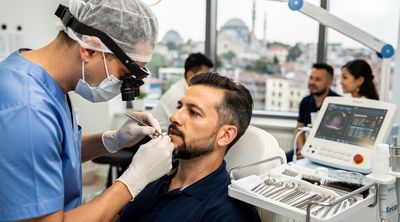
Rhinoplasty ranges from $3,500 to $4,500, versus $8,000 or more domestically. Turkish surgeons have developed specialized expertise in nose reshaping that attracts patients from dozens of countries.
Fertility and orthopedics:
Beyond cosmetics, Turkey offers comprehensive medical services including IVF treatments costing $3,500 to $5,000. Orthopedic procedures round out the country's medical offerings.
Istanbul serves as the primary medical hub, hosting JCI-accredited centers like Liv Hospital and Acibadem. These facilities combine modern equipment with experienced surgeons trained in the latest techniques.
The tourism infrastructure supporting medical travel is exceptional, with hotels, transportation services, and translators dedicated to international patients. Many clinics offer all-inclusive packages covering surgery, accommodation, and airport transfers.
6. South Korea: The Epicenter of Cosmetic Innovation and Robotic Surgery
South Korea ranks #3 globally for cosmetic surgery, having transformed itself into the world's aesthetic medicine capital. The country's obsession with beauty and technological innovation has created a unique medical tourism ecosystem.
Technological leadership:
South Korean surgeons pioneered many modern cosmetic techniques, particularly in facial contouring and eye surgery. The country's investment in robotic surgery has positioned it at the forefront of minimally invasive procedures.
Rhinoplasty costs $3,000 to $6,000, compared to $8,000 or more in the United States. Korean surgeons have developed specialized techniques for Asian features that attract patients from across the region.
Joint replacement procedures cost under $25,000, representing savings of 70-80% compared to Western prices. Advanced oncology treatments benefit from the country's cutting-edge technology and research facilities.
World-class facilities:
Severance Hospital and Asan Medical Center exemplify South Korea's commitment to medical excellence. Both institutions hold JCI accreditation and feature the latest diagnostic and surgical equipment.
The concentration of plastic surgery clinics in Seoul's Gangnam district has created a competitive market that drives both innovation and affordability. Patients can consult multiple surgeons in a single day.
South Korea's medical visa process streamlines entry for international patients, while extensive tourism infrastructure makes navigating the country straightforward even for first-time visitors.
7. Malaysia: An Affordable Asian Alternative for Fertility and Cardiology
Malaysia hosted over 1.3 million medical tourists in 2023, positioning itself as a high-value alternative to more expensive Asian destinations.
The country provides 30-60% savings on specialized treatments while maintaining quality standards comparable to Singapore or Western facilities.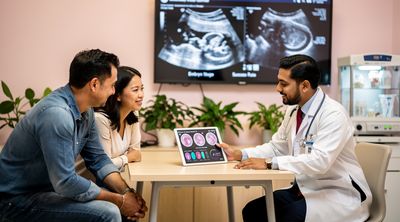
Fertility treatment leadership:
IVF cycles cost approximately $3,000 to $4,000, roughly one-fifth of Western prices. This affordability has made Malaysia a destination of choice for couples struggling with infertility.
The country's fertility clinics employ internationally trained specialists and utilize the latest reproductive technologies. Success rates match those of more expensive Western clinics.
Comprehensive capabilities:
Cardiology represents another area of excellence, with cardiac procedures performed at costs significantly below Western levels. Cosmetic procedures attract patients seeking quality aesthetic work at moderate prices.
Sunway Medical Centre and Prince Court Medical Centre lead Malaysia's healthcare sector, both holding JCI accreditation. These facilities feature modern equipment and internationally trained medical staff.
English is widely spoken throughout Malaysia, eliminating communication barriers that complicate care in some Asian countries. The multicultural environment makes Western patients feel comfortable and welcome.
Malaysia's central location in Southeast Asia and excellent air connections make it easily accessible from Europe, the Middle East, and Australia.
8. Costa Rica: Combining Eco-Tourism with High-Quality Dental Care
Costa Rica ranks #7 in the Medical Tourism Index, with a #1 ranking for the Medical Tourism Industry sub-index. This recognition reflects decades of cultivating relationships with international patients.
The country attracts over 70,000 visitors annually, primarily seeking dental work and orthopedic procedures. The combination of quality healthcare and natural beauty creates a unique recovery experience.
Cost advantages:
Dental crowns cost $350 to $600, compared to $1,200 or more in the United States. This pricing has established Costa Rica as a premier destination for comprehensive dental restoration.
Knee replacement surgery ranges from $12,000 to $16,000, versus $35,000 or more domestically. These savings make joint replacement accessible to patients on fixed incomes.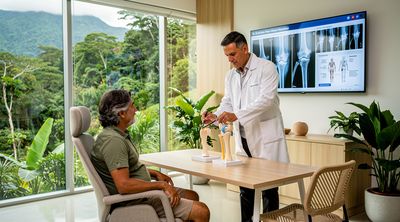
The rainforest recovery concept:
What distinguishes Costa Rica is the integration of medical treatment with eco-tourism. Patients can recuperate in cloud forests, on pristine beaches, or near active volcanoes.
CIMA Hospital exemplifies the quality available, holding JCI accreditation and staffing many US-trained physicians. The facility rivals American hospitals in equipment and capabilities.
Costa Rica's stable democracy, strong rule of law, and proximity to the United States provide peace of mind for medical tourists. Direct flights from major US cities take just a few hours.
The country's commitment to environmental conservation creates a healing atmosphere that enhances recovery. Many patients report that the natural setting accelerated their healing process.
9. United Arab Emirates (UAE): The Luxury Hub for Middle East Medical Tourism
Dubai ranks #6 and Abu Dhabi #9 in the MTI, reflecting massive investment in healthcare infrastructure. The UAE has positioned itself as the premium medical tourism destination for the Middle East and North Africa.
Over 691,000 medical tourists visited the UAE in 2023, seeking treatments in state-of-the-art facilities that rival the world's best hospitals.
Cost and quality balance:
Western patients still save around 50% compared to home country prices, though the UAE represents the higher end of medical tourism destinations.
Rhinoplasty costs $4,000 to $7,000, versus $8,000 or more in the United States. The savings, while modest compared to other destinations, come with luxury amenities and premium service.
Specialized offerings:
The UAE focuses on cosmetics, fertility treatments, and orthopedic procedures. Cleveland Clinic Abu Dhabi brings American expertise and protocols to the region.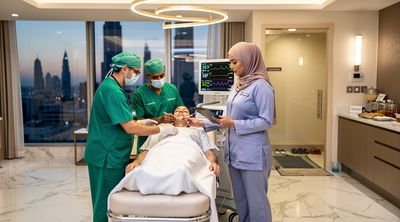
The combination of Muslim-friendly healthcare and luxury accommodations attracts patients from across the Islamic world. Facilities provide prayer rooms, halal food, and culturally sensitive care.
Dubai's position as a global aviation hub makes it accessible from anywhere in the world. The city's tourism infrastructure ensures comfortable stays for patients and accompanying family members.
Medical tourists can combine treatment with shopping, entertainment, and cultural experiences, making the UAE an attractive option for those who can afford premium care.
10. Spain: Europe's Premier Destination for Fertility Treatments
Spain ranks #4 in the MTI, establishing itself as a top global player in medical tourism. The country's progressive legislation regarding fertility treatments has created a specialized niche.
Fertility treatment leadership:
Spain leads Europe in IVF and egg donation thanks to laws that permit procedures restricted in other countries. This regulatory advantage has built a thriving fertility tourism industry.
IVF cycles cost $5,000 to $8,000, compared to $15,000 or more in the United States. Egg donation procedures range from $7,000 to $12,000, versus $25,000 domestically.
These savings of 60-70% attract couples from across Europe and North America who struggle to conceive or face legal restrictions in their home countries.
World-renowned clinics:
Instituto Bernabeu and IVI represent internationally recognized fertility clinics with decades of experience. Both facilities hold JCI accreditation and employ specialists trained in the latest reproductive technologies.
Success rates at Spanish fertility clinics match or exceed those of American counterparts, while the legal framework allows treatments unavailable elsewhere.
Spain's excellent tourism infrastructure, pleasant climate, and rich culture make it an appealing destination for medical travel. Patients can explore historic cities and Mediterranean beaches while undergoing treatment.
The country's position within the European Union provides legal protections and healthcare standards that give patients confidence in their care.
11. Canada: A Top Medical Choice for Quality and Proximity to the US
Canada holds the #1 spot in the 2020-2021 Medical Tourism Index, with a top score for Destination Environment. This ranking reflects the country's political stability, safety, and healthcare quality.
Appeal to American patients:
Over 14 million US tourists visit Canada annually, with many seeking medical care alongside leisure activities. The shared border makes travel simple and familiar.
US patients choose Canada primarily to bypass long domestic wait times for orthopedic and cardiac surgeries. The quality of care matches American standards while costs remain lower.
Specialized capabilities:
Canada excels in orthopedics and heart surgeries, with a healthcare system recognized globally for high standards. The country's universal healthcare system creates infrastructure that benefits international patients.
While Canadians receive government-funded care, international patients pay out-of-pocket prices that still undercut US costs. The savings may be modest compared to Asian destinations, but the proximity and cultural familiarity provide comfort.
English-speaking patients face no language barriers, and the legal system provides recourse similar to American standards. Medical malpractice insurance and regulations mirror US requirements.
Canadian facilities employ cutting-edge technology and evidence-based protocols. The country's research institutions contribute to global medical knowledge.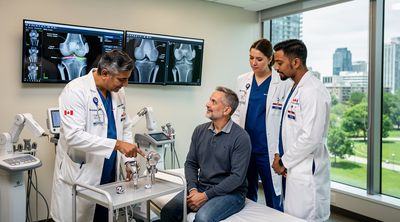
Comparing Medical Tourism Costs: USA vs. Top Destinations
Understanding potential savings helps patients make informed decisions about seeking medical care abroad. The table below compares prices for popular procedures across destinations.
| Procedure | US Baseline | Thailand | India | Mexico (Tijuana) | Turkey (Istanbul) | Costa Rica |
|---|---|---|---|---|---|---|
| Heart Bypass Surgery | $90K - $120K | $15K - $25K | $7K - $15K | N/A | N/A | N/A |
| Dental Implant | $3.5K - $5K | N/A | N/A | $1K - $1.5K | $900 - $1.2K | $1K - $1.5K |
| IVF Cycle | $15K - $20K | $4K - $6K | N/A | N/A | $3.5K - $5K | N/A |
| Rhinoplasty | $8K - $12K | $3K - $4.5K | N/A | N/A | $3.5K - $4.5K | N/A |
| Knee Replacement | $40K - $60K | $10K - $14K | $7K - $10K | N/A | N/A | $12K - $16K |
| Hair Transplant | $10K - $20K | N/A | N/A | N/A | $2.5K - $4K | N/A |
These price comparisons demonstrate why millions of patients travel internationally for medical procedures. The savings often exceed the cost of travel, accommodation, and recovery time combined.
Beyond raw numbers, consider that many international facilities offer all-inclusive packages covering surgery, hospital stay, medications, and post-operative care. These comprehensive pricing models provide transparency often lacking in the US healthcare system.
Frequently Asked Questions
Is medical tourism safe?
Medical tourism is safe when you choose JCI-accredited facilities and verify surgeon credentials. Research internationally accredited hospitals, read patient reviews, and confirm that healthcare professionals have appropriate training. Millions of patients travel abroad successfully each year for medical treatment.
How do I choose the best country for my procedure?
Match the country to your specific needs. India and Thailand excel in cardiac procedures, Mexico leads in dental work, Turkey specializes in hair transplants and cosmetic surgeries, and Spain dominates fertility treatments. Consider travel distance, language barriers, and total costs including flights and accommodation.
Will my insurance cover medical care abroad?
Most US insurance plans don't cover elective procedures abroad, though some employers offer medical travel programs. Check with your provider about coverage. Even paying out-of-pocket, patients typically save money compared to US prices after accounting for deductibles and co-pays.
What is JCI accreditation?
JCI accreditation is an internationally recognized certification that healthcare facilities meet rigorous quality and safety standards. JCI stands for Joint Commission International, and its standards mirror those used to accredit American hospitals. Choosing JCI-accredited facilities ensures you receive care comparable to Western standards.
How long should I plan to stay abroad for surgery?
Stay duration varies by procedure complexity. Dental work might require just a few days, while major surgery could need two to three weeks for initial recovery and follow-up appointments. Consult with your chosen facility about recommended stay length, and factor in rest days before your return flight.
Final Thoughts
Medical tourism opens doors to life-changing procedures that might otherwise remain financially out of reach. The combination of 50-90% cost savings and access to internationally accredited hospitals makes overseas medical care a viable option for millions. Research thoroughly, prioritize JCI-accredited facilities, and verify healthcare provider credentials before committing to treatment abroad.