Medical Tourism in Turkey: Price Comparison (Save 50-80%)
Turkey has become a global healthcare powerhouse, attracting over 1.8 million international patients in 2023. This guide breaks down why Turkey is a top medical tourism destination, offering a unique blend of world-class medical care and incredible affordability.
Table of Contents
- Comparing the Cost of Medical Procedures in Turkey vs. The US
- Why Turkey is a Top Medical Tourism Destination for International Patients
- A Detailed Breakdown of Popular Medical Treatments in Turkey
- The Quality of Healthcare: Hospitals, Accreditation, and Turkish Medical Practitioners
- Why is Medical Treatment in Turkey So Affordable?
- Planning Your Medical Trip: A Step-by-Step Guide for Medical Travelers
- Frequently Asked Questions
- Final Thoughts on Choosing Turkey for Medical Tourism
Discover how you can save 50-80% on treatments, compare exact prices for popular procedures, and plan your medical trip with confidence.
Comparing the Cost of Medical Procedures in Turkey vs. The US
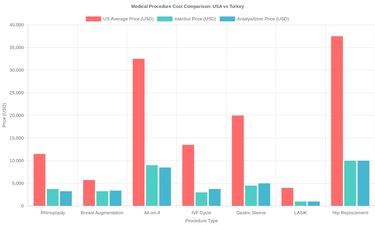
Let's talk real numbers.
The price differences between medical treatment in Turkey and the United States are dramatic. Looking at the data makes it crystal clear why so many people choose to travel abroad for their healthcare needs.
Complete Medical Treatment Price Comparison Table
| Procedure | US Average Price | Istanbul Price | Antalya/Izmir Price | Savings in Turkey |
|---|---|---|---|---|
| Hair Transplant (FUE/DHI) | $8,000 - $15,000 | $1,500 - $3,000 | $1,500 - $2,500 | 70-80% |
| Rhinoplasty (Nose Job) | $8,000 - $15,000 | $2,500 - $5,000 | $2,500 - $4,000 | 65-75% |
| Breast Augmentation | $4,500 - $7,000 | $2,500 - $4,000 | $2,800 - $4,000 | 55-65% |
| Dental Implant (per tooth) | $3,000 - $5,000 | $400 - $800 | $500 - $1,000 | 60-75% |
| All-on-4 (per arch) | $25,000 - $40,000 | $7,000 - $11,000 | $7,000 - $10,000 | 65-75% |
| Porcelain Veneer (per tooth) | $1,200 - $2,500 | $250 - $500 | $250 - $450 | 75-80% |
| IVF Cycle (with ICSI) | $12,000 - $15,000 | $2,000 - $4,000 | $3,000 - $4,500 | 60-70% |
| Gastric Sleeve | $15,000 - $25,000 | $3,500 - $5,500 | $4,000 - $6,000 | 65-75% |
| LASIK (both eyes) | $4,000 | $1,000 | $1,000 | 75% |
| Hip Replacement | $35,000 - $40,000 | $8,000 - $12,000 | $8,000 - $12,000 | 70-80% |
Consider what this means in practical terms. A hip replacement that costs $35,000 to $40,000 in the United States runs between $8,000 and $12,000 in Turkey. That's a difference of up to $32,000 for the exact same procedure with comparable quality standards.
Even smaller procedures show impressive savings. A single dental implant costing $3,000 to $5,000 in America can be done for $400 to $800 in Turkish clinics. Multiply that across multiple teeth, and the savings become life-changing.
Why Turkey is a Top Medical Tourism Destination for International Patients
The numbers speak for themselves.
Turkey ranks as the fourth most visited country for medical tourism worldwide. In 2023 alone, approximately 1.8 million medical tourists traveled to Turkey seeking quality healthcare at prices that won't break the bank.
What sets Turkey apart from other destinations?
First, the country has positioned itself as a specialized procedure hub. This is particularly true for cosmetic treatments. Turkish clinics perform over 750,000 hair transplants annually using advanced techniques like FUE and DHI. Istanbul alone houses more than 500 specialized clinics dedicated to hair restoration and other aesthetic procedures.
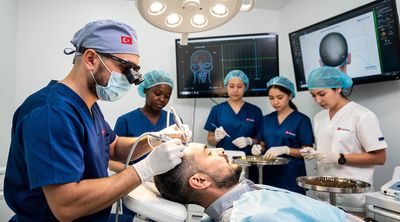
The financial benefits are impossible to ignore. Patients routinely save 50-80% on medical procedures compared to what they would pay in the US, UK, and other Western countries. These aren't minor savings. We're talking about differences of tens of thousands of dollars for major surgeries.
Government backing makes a real difference too. Turkey actively promotes its medical tourism sector through the Health Türkiye program.
This initiative helps international patients navigate the healthcare system with confidence. The government also offers tax exemptions on medical services specifically for international visitors, which helps keep costs down across the board.
A Detailed Breakdown of Popular Medical Treatments in Turkey
Different procedures attract different patients to Turkey. Understanding what's available helps you make informed decisions about your healthcare journey.
1. Cosmetic Procedures: Hair Transplants, Rhinoplasty, and More
Turkey ranks among the top 5 countries globally for plastic surgery procedures.
Hair transplant procedures dominate the cosmetic surgery landscape. With over 750,000 hair transplants performed annually, Turkey has essentially become the world capital for hair restoration.
Clinics use cutting-edge FUE and DHI techniques that minimize scarring and maximize natural-looking results. Costs typically range from $1,500 to $4,500 depending on the number of grafts needed and the clinic you choose.
Beyond hair restoration, other cosmetic procedures draw thousands of international patients each year. Rhinoplasty, commonly called a nose job, costs between $2,500 and $5,000. Breast augmentation procedures run from $2,500 to $4,000. Liposuction typically falls in the $2,000 to $4,000 range.
The affordability doesn't mean corners are cut. Turkish plastic surgeons often train internationally and bring years of specialized experience to their practice.
2. Dentistry: Implants, Veneers, and Full Smile Makeovers
Dental treatments rank as the second most popular field for medical tourism in Turkey.
Success rates tell an important story. Turkish dental clinics consistently report success rates of 95% for implant procedures. These numbers match or exceed those found in Western dental practices.
Single dental implants represent significant value. At $400 to $1,200 per implant, patients save 60-75% compared to American prices. The quality remains exceptional, with clinics using premium materials from recognized manufacturers.
Cosmetic dentistry attracts patients seeking dramatic smile transformations. Porcelain veneers cost just $250 to $500 per tooth. A complete Hollywood Smile package with 20 crowns can cost as little as $6,500. In the United States, the same treatment might run $24,000 to $50,000.
The combination of affordability and expertise makes Turkey a natural destination for dental work. Many patients schedule their treatments during vacation time, recovering while exploring Turkish culture and history.
3. IVF, Bariatrics, and Specialized Medical Care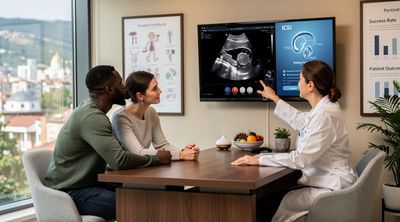
Turkey excels in advanced medical treatments beyond cosmetics and dentistry.
IVF treatments show impressive results. Leading facilities like Anadolu Medical Center report IVF success rates exceeding 60%. These numbers rival top Western fertility clinics. The cost difference is substantial though. A complete IVF cycle with ICSI runs between $2,000 and $5,500 in Turkey compared to $12,000 to $15,000 in the United States.
Bariatric surgery has gained popularity among international patients seeking weight loss solutions. Gastric sleeve procedures cost between $3,500 and $7,500. Many hospitals in Turkey specialize in bariatric care and offer comprehensive pre-operative consultations and post-operative support.
Specialized treatments extend to oncology and transplants. Turkish hospitals offer cutting-edge cancer treatments using the latest technology. Facilities like Acibadem have performed over 2,000 kidney transplants, demonstrating deep expertise in complex surgical procedures.
The Quality of Healthcare: Hospitals, Accreditation, and Turkish Medical Practitioners
Quality concerns top the list for anyone considering medical treatment abroad. Turkish healthcare standards address these concerns head-on.
Turkey is home to 41 Joint Commission International (JCI) accredited hospitals. JCI accreditation represents the gold standard in international healthcare quality. These hospitals must meet rigorous safety protocols, maintain excellent patient outcomes, and demonstrate continuous improvement.
Turkish doctors follow an intensive training pathway. Medical education requires a minimum of 10 years before doctors can specialize. Many Turkish medical practitioners complete additional training at prestigious international institutions. They maintain membership in professional bodies like the Turkish Medical Association and specialty-specific global societies.
Medical facilities showcase impressive technology. Leading hospitals invest heavily in state-of-the-art equipment. You'll find Da Vinci surgical robots for minimally invasive procedures, CyberKnife M6 systems for precision radiation therapy, advanced 3D imaging technology, and comprehensive radiotherapy systems.
Government oversight ensures consistent standards. The Ministry of Health rigorously regulates all private hospitals and clinics operating in Turkey. Strict licensing requirements protect patient rights and enforce accountability across the healthcare system.
Why is Medical Treatment in Turkey So Affordable?
Understanding the economics helps explain how Turkey maintains quality while keeping prices low.
Operating costs play a fundamental role. The cost of living in Turkey sits well below that of the United States and Western Europe. Staff salaries, facility rent, and general overhead expenses cost significantly less. These savings get passed directly to patients without compromising on care quality or medical outcomes.
Currency exchange provides additional advantages. The Turkish Lira's exchange rate against the US Dollar, Euro, and British Pound gives international patients substantial purchasing power. Your money simply goes further in Turkey than it would at home.
Market competition drives prices down naturally. With over 500 hair clinics in Istanbul alone, providers must compete aggressively for patients. This competition benefits medical tourists through better prices and higher service standards. Clinics know they must deliver excellent results to earn positive reviews and attract new patients.
Government support strengthens the sector. Turkey's government views medical tourism as a strategic economic priority. Tax breaks and other incentives for healthcare providers help reduce costs across the board. These savings ultimately benefit international patients seeking treatments in Turkey.
Planning Your Medical Trip: A Step-by-Step Guide for Medical Travelers
Successful medical tourism requires careful planning. Following these steps helps ensure a smooth experience from start to finish.
1. Choosing the Right Clinic and Medical Providers
Your choice of clinic determines your entire experience.
Start by verifying accreditation status. Prioritize JCI-accredited hospitals or clinics holding ISO certifications. These credentials confirm the facility meets internationally recognized medical standards. Accreditation isn't just paperwork. It represents a commitment to patient safety and quality outcomes.

Research individual doctor credentials thoroughly. Look for practitioners who belong to professional bodies and international societies relevant to their specialty.
Check their training background, years of experience, and areas of focus. Many Turkish doctors maintain active profiles on professional networks where you can review their qualifications.
Patient reviews provide invaluable insights. Read recent testimonials across multiple platforms to get a balanced perspective. Pay attention to comments about communication quality, bedside manner, and actual results. Look for patterns in feedback rather than focusing on isolated opinions.
2. Understanding All-Inclusive Packages
Most Turkish clinics offer comprehensive packages that simplify your medical journey.
These packages typically bundle several essential elements. The procedure cost is combined with accommodations at 4-star or 5-star hotels, private transportation between the airport and clinic, and professional interpreter services. This all-in-one approach eliminates logistical headaches.
The value proposition is compelling. Total travel costs excluding the actual procedure typically run between $1,500 and $3,500. When you consider that hotel bookings, transfers, and coordination would cost similar amounts if arranged separately, the convenience factor becomes clear.
Post-operative care deserves special attention. Confirm exactly what follow-up support is included in your package. Many clinics offer virtual consultations after you return home. Ask specific questions about how potential complications would be handled and whether revision procedures are covered.
3. Travel and Logistics for Your Entry to Turkey
Getting to Turkey is straightforward for most international travelers.
Turkey's strategic location provides excellent connectivity. Direct flights operate from major cities throughout Europe, the Middle East, and Asia. Flight times are reasonable, making the journey less taxing than travel to many other medical tourism destinations.
Visa requirements are patient-friendly. Turkey offers visa-free or e-visa entry for citizens of over 80 countries, including the United States, Canada, and most European Union nations. The e-visa process is simple and can be completed online in minutes.
Plan your stay duration carefully. Non-invasive treatments and dental work typically require 3 to 7 days in Turkey. Major surgical procedures need longer stays, usually 1 to 2 weeks, allowing for proper recovery and essential follow-up appointments.
Many patients combine treatment with tourism. Istanbul offers incredible historic sites including the Hagia Sophia and Grand Bazaar. Antalya and Izmir provide beautiful coastal settings perfect for relaxed recovery. The hospitality culture in Turkey makes patients feel welcomed and cared for throughout their stay.
Frequently Asked Questions
Is medical tourism in Turkey safe?
Yes, when you choose accredited facilities. Turkey's 41 JCI-accredited hospitals meet the same safety standards as top American and European medical centers. The Turkish healthcare system is heavily regulated, and many hospitals maintain international quality certifications.
How long should I stay in Turkey for my procedure?
This depends on your specific treatment. Dental work and minor cosmetic procedures usually require 3 to 7 days. Major surgeries like hip replacements or bariatric procedures need 1 to 2 weeks for initial recovery and follow-up care.
Will there be language barriers at Turkish clinics?
Most clinics serving international patients provide English-speaking staff and professional interpreters. Many Turkish doctors trained abroad and speak fluent English. Communication is rarely a problem at facilities accustomed to treating medical tourists.
What happens if I have complications after returning home?
Reputable clinics offer post-treatment support including virtual consultations. Before your procedure, clarify the clinic's policy on complications and revision procedures. Many facilities provide warranties covering specific issues that might arise after treatment.
Can I combine my medical treatment with sightseeing?
Absolutely. Turkey offers rich cultural experiences and stunning landscapes. Many patients schedule extra days before or after their procedures to explore Istanbul's historic sites or relax on Turkey's beautiful Mediterranean coast.
Final Thoughts on Choosing Turkey for Medical Tourism
Turkey presents an unbeatable value proposition for international patients. The combination of world-class medical standards, cutting-edge technology, and prices 50-80% lower than Western countries is genuinely remarkable.
The Turkish healthcare system caters to every need. Whether you're seeking cosmetic procedures, dental makeovers, fertility treatments, or complex surgeries, accredited facilities stand ready to serve you.
Choosing Turkey means more than just medical treatment. You gain access to life-changing healthcare while experiencing the culture, history, and warm hospitality of a premier global destination. The savings alone can transform what seemed impossible into reality.