What is Medical Tourism & How It Works? (Complete Guide)

Table of Contents
- What Exactly Is Medical Tourism?
- How Does the Medical Tourism Process Work?
- Why Millions Travel Abroad for Healthcare Every Year
- Top Medical Tourism Destinations and Procedures
- Comparing Healthcare Costs: US vs. Popular Destinations
- Quality and Safety: Understanding Medical Accreditation
- The Major Issues in Medical Tourism: Risks and Complications
- The Role of Insurance
- Frequently Asked Questions
Medical tourism is a booming global industry, projected to be worth over $207 billion by 2027. This guide explains exactly what it is, how the process works, and why millions of people travel abroad for healthcare each year.
We will explore the massive cost savings, top destinations, and critical safety factors like accreditation to help you make an informed decision.
What Exactly Is Medical Tourism?
Medical tourism is a practice that has transformed how people think about healthcare access and affordability.
At its core, it represents a fundamental shift in how patients seek treatment.
From Ancient Pilgrims to Modern Healthcare
Medical tourism is a practice where individuals travel to another country to receive medical care, ranging from cosmetic surgery to essential, life-saving treatments. The concept might sound modern, but its roots stretch back thousands of years.
Ancient Greek pilgrims traveled to Epidauria, a sanctuary dedicated to the healing god Asklepios, seeking cures for their ailments. These early medical travelers believed in the power of specific locations to restore their health.
The modern version looks quite different. Traditionally, medical tourism involved patients from less-developed nations seeking advanced care in countries with superior medical technology. Think of wealthy individuals from developing countries flying to the United States or Europe for complex procedures.
However, the landscape has shifted dramatically. Today, the primary flow has reversed. Patients from developed countries like the United States now travel to destinations offering lower costs without sacrificing quality.
The numbers tell a compelling story. The industry grew from $54 billion in 2020 and is expected to reach $207 billion by 2027. That's nearly quadruple growth in just seven years.
This explosive expansion reflects growing patient awareness, improved international healthcare standards, and the relentless rise of medical costs in countries like the United States.
Medical Tourism vs. Wellness Tourism
Understanding the distinctions between these related concepts helps clarify what you're actually seeking.
Medical tourism focuses specifically on receiving medical procedures to cure or treat a condition. These are interventions with clear clinical purposes: surgeries like cardiac bypass, dental work such as implants, fertility treatments like IVF, or cosmetic procedures like rhinoplasty.

Health tourism is a broader umbrella term that encompasses medical tourism but also includes preventive and rehabilitative travel. It covers any travel undertaken with health improvement as a primary motivation.
Wellness tourism represents a related but distinct category. This focuses on activities that maintain or enhance personal well-being rather than treat specific conditions. Think spa retreats, yoga vacations, meditation centers, and holistic health experiences.
The key difference? Medical tourism addresses a specific health problem. Wellness tourism aims to prevent problems or enhance existing good health.
For someone considering traveling for care, this distinction matters. If you need a hip replacement, you're looking at medical tourism. If you want a week-long detox retreat, that falls under wellness tourism.
How Does the Medical Tourism Process Work?
Understanding the journey helps demystify what might initially seem overwhelming.
The process is more streamlined than many people expect.
The Role of Facilitators
Medical tourism facilitators act as intermediaries connecting patients with vetted international hospitals, surgeons, and clinics. These companies have emerged to solve a critical problem: how do patients research and trust foreign healthcare providers?
Facilitators provide multiple services that simplify the entire experience. They handle travel arrangements, book accommodation near the medical facility, organize tours for recovery periods, and manage communication between you and the healthcare provider.
Many facilitators maintain relationships with accredited facilities and pre-screened doctors. This vetting process saves patients countless hours of research and reduces risk.
Some facilitators organize "Fam Trips" for insurance companies and employers. These familiarization trips showcase the quality of international healthcare facilities firsthand, helping insurers feel confident about covering treatments abroad.
The best facilitators operate transparently, clearly explaining their fees and the services included. Be cautious of companies that seem evasive about costs or make unrealistic promises about outcomes.
A Step-by-Step Guide for Patients
The health tourism journey follows a logical sequence that maximizes safety and success.
Step 1: Explore Options
Start by researching potential destinations, hospitals, and specific doctors for your required procedure. Read reviews from previous patients. Check accreditation status. Look for specialists with extensive experience in your specific treatment.
Step 2: Request Quotes
Contact multiple providers to get detailed, itemized cost estimates and treatment plans. Don't settle for vague pricing. Ask for breakdowns that include the procedure itself, hospital stay, medications, and any additional fees.
Step 3: Virtual Consultation
Share your medical records, X-rays, photos, and complete medical history with potential providers for an initial assessment. Most reputable facilities now offer video consultations where you can speak directly with the surgeon.
Step 4: Arrange Treatment
Once you've chosen a provider, finalize the treatment schedule, travel dates, and accommodation. Book your flights with enough buffer time for recovery before returning home. Arrange for someone to accompany you if the procedure is major.
Step 5: Undergo Procedure
Travel to the destination for your medical treatment. Follow all pre-operative instructions carefully. Arrive a day or two early to adjust to time zones and meet your medical team in person.
Step 6: Plan Aftercare
Arrange for follow-up care either in the destination country or back home with a local doctor. This is crucial. Make sure your home doctor is willing to provide post-operative monitoring and has all necessary records from your treatment abroad.
Why Millions Travel Abroad for Healthcare Every Year
The motivations driving medical tourism are powerful and deeply personal.
Understanding these drivers helps explain the industry's explosive growth.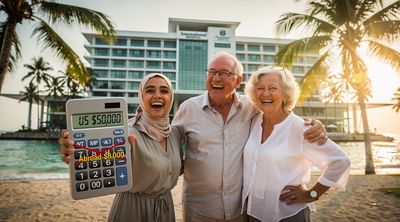
The #1 Driver: Massive Cost Savings
Money talks, and in healthcare, it often screams. Patients can save between 30% and 70% on medical procedures compared to costs in the United States.
The global scale is staggering. An estimated 21 to 26 million people traveled across borders for medical care in 2019, spending an average of $3,500 per visit. That represents billions in healthcare spending redistributed globally.
Real-world examples make the savings tangible. A liver transplant costing $300,000 in the United States costs approximately $91,000 in Taiwan. That's a savings of over $200,000 for the exact same outcome.
For uninsured or underinsured Americans, these savings represent the difference between getting treatment and living with a debilitating condition. Even for insured patients, out-of-pocket costs for major procedures can be financially devastating.
The cost difference isn't about inferior care. Lower malpractice insurance costs, reduced administrative overhead, lower labor costs, and different healthcare system economics all contribute to the price gap.
Avoiding Long Wait Times at Home
For patients from countries with public healthcare systems like Canada and the United Kingdom, avoiding long waits becomes a primary motivation for seeking medical care abroad.
The statistics from Canada illustrate the problem. In 2005, over 782,000 Canadians were on medical waiting lists for an average of 9.4 weeks. Nearly a decade of wait time just to start treatment.
Specific procedures face even longer delays. Benchmarks in Canada have included a 26-week wait for a hip replacement and a 16-week wait for cataract surgery.
Imagine living with chronic pain from a deteriorating hip for half a year before getting treatment. For many, traveling abroad and paying out-of-pocket makes more sense than enduring months of suffering.

The United Kingdom faces similar challenges. The National Health Service provides excellent care but struggles with capacity. Elective procedures can face months-long backlogs.
Medical tourism offers these patients an escape valve. They can receive treatment within weeks instead of months, returning to normal life and productivity far sooner.
Access to Specialized or Unavailable Healthcare
Regulatory differences between countries create opportunities for patients to access treatments unavailable at home.
Some patients travel for treatments not yet approved by their home country's regulatory agencies. Certain stem cell therapies, experimental cancer treatments, and cutting-edge procedures may be available abroad before domestic approval.
Circumvention tourism represents a controversial subset of medical travel. Some individuals seek procedures illegal in their home country, such as abortion in restrictive countries or euthanasia where it remains prohibited.
Advanced technology serves as another draw. Many destinations invest heavily in state-of-the-art equipment and internationally trained specialists to attract foreign patients. These facilities often feature newer technology than many American hospitals.
Fertility treatments represent a major category. Countries like Mexico and Turkey offer IVF procedures at a fraction of U.S. costs, with high success rates and experienced specialists.
For patients with rare conditions or complex needs, finding the right specialist becomes paramount. Sometimes that specialist practices halfway around the world.
Top Medical Tourism Destinations and Procedures
Not all destinations are created equal. Some countries have built entire industries around specific treatments.
The Most Popular Countries for Medical Travel
The 2020-2021 Medical Tourism Index ranks Canada, Singapore, Japan, Spain, and the United Kingdom as the top five destinations. These rankings consider factors like quality of care, cost, environment, and industry development.
High-volume hubs include Mexico, Costa Rica, India, Thailand, and Turkey. These countries have invested heavily in marketing to international patients and building world-class facilities.
Specialized hubs have emerged based on particular expertise and competitive advantages.
Mexico has become synonymous with dentistry. Towns like Los Algodones, nicknamed "Molar City," pack over 600 dentists into just a few square miles. The proximity to the U.S. border makes same-day dental trips possible for many Americans.
Border cities like Tijuana and Mexicali offer competitive dental pricing that draws thousands of patients monthly. The quality at top clinics rivals or exceeds American standards.
Turkey has positioned itself as a global center for affordable hair transplants and cosmetic surgery. Istanbul alone hosts hundreds of specialized cosmetic clinics serving international patients.
Thailand attracts patients for gender confirmation surgery, with surgeons recognized as world leaders in the field. The country has decades of experience and well-established protocols.
Common Medical and Elective Procedures
Medical tourists seek a wide range of treatments, from purely cosmetic to life-saving interventions.
| Category | Examples |
|---|---|
| Cosmetic Surgery | Abdominoplasty (tummy tuck), liposuction, breast augmentation, rhinoplasty |
| Dentistry | Implants, crowns, veneers, root canals, full mouth restorations |
| Orthopedics | Hip replacement, knee replacement |
| Cardiology | Heart bypass surgery, angioplasty, heart valve replacement |
| Fertility | In-vitro fertilization (IVF), surrogacy |
| Oncology | Cancer treatments, often seeking alternative or lower-cost options |
| Transplants | Organ and tissue transplants (kidney, liver) |
Dentistry dominates the lower-cost end. Procedures like implants, crowns, and complete smile makeovers cost a fraction of U.S. prices. Many patients combine dental work with a vacation, making the trip both practical and enjoyable.
Cosmetic surgery attracts patients seeking enhancement rather than medical necessity. Since insurance rarely covers these procedures, the price advantage abroad becomes even more compelling.
Orthopedic procedures like hip replacements and knee surgeries represent high-value surgery tourism. The savings on these major operations can exceed $20,000.
Cardiac procedures including bypass surgery show some of the most dramatic cost differences. Patients can save over 75% while receiving care from highly qualified cardiac surgeons.
Comparing Healthcare Costs: US vs. Popular Destinations
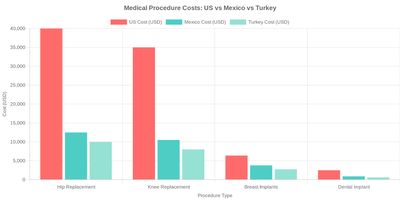
Numbers make the value proposition crystal clear. Let's examine specific procedure costs across countries.
Price Comparison Table: US vs. Mexico vs. Turkey
| Procedure | US Cost (USD) | Mexico Cost (USD) | Turkey Cost (USD) | Potential Savings |
|---|---|---|---|---|
| Heart Bypass Surgery | $123,000 | $27,000 | $20,000–$25,000 | 78-84% |
| Hip Replacement | $40,000 | $12,500 | ~$10,000 | 69-75% |
| Knee Replacement | $35,000 | $10,500 | ~$8,000 | 70-77% |
| Breast Implants | $6,400 | $3,800 | $2,500–$3,000 | 41-61% |
| Dental Implant | $2,500 | $900 | $500–$700 | 64-80% |
These figures represent typical costs and demonstrate the enormous financial advantage of seeking care abroad. Even accounting for travel expenses, accommodation, and recovery time, patients often save tens of thousands of dollars.
The savings percentage increases dramatically for major procedures. An 80% discount on heart bypass surgery represents over $100,000 in your pocket.
For multiple dental implants or full mouth reconstruction, the savings multiply. Patients needing extensive dental work can save enough to pay for their flights, hotel, and enjoy a vacation while still spending less than half the U.S. cost.
A Closer Look at Savings in Mexico
Mexico's proximity to the United States creates unique advantages for American medical tourists. Border cities offer easy access, familiar culture for many, and extremely competitive pricing.
Border city value stems from high patient volumes and competition. Cities like Tijuana, Mexicali, and Los Algodones serve thousands of American patients monthly, creating economies of scale that reduce prices.
In Tijuana, a dental implant typically costs around $800 to $1,000. That's roughly one-third the U.S. price. Many patients combine multiple procedures in one trip, maximizing their savings.
The town of Los Algodones has built its entire economy around dental tourism. With over 600 dentists serving a town of just 5,000 residents, competition keeps prices low and quality high.
Cancun presents a slightly different model. As a major tourist destination, prices may run slightly higher than border cities. A heart bypass might cost around $28,000 compared to $27,000 in Tijuana. However, the tourist infrastructure, English-speaking staff, and resort atmosphere appeal to many patients.
Out-of-pocket costs for routine services also offer significant savings. A specialist visit costs $50 to $75 compared to hundreds in the United States. A dental cleaning runs around $30 to $35.
Popular procedures beyond dental work include plastic surgery in Cancun, bariatric surgery in Tijuana, and advanced dental procedures like All-on-4 implants throughout Mexico.
Quality and Safety: Understanding Medical Accreditation
Saving money means nothing if you compromise your health. Accreditation provides crucial quality assurance.
International standards have evolved to protect patients and verify care quality.
Key International Accreditation Bodies
Joint Commission International (JCI) is a U.S.-based organization that serves as a global leader in accrediting hospitals to American standards of care. Their standards mirror those used in American hospitals, providing familiar benchmarks.
The numbers show widespread adoption. India has 40 JCI-accredited hospitals. Mexico has seven JCI-accredited facilities. These institutions meet the same rigorous standards as top American hospitals.
Accreditation Canada represents one of the oldest international accreditors, active since 1968. They've evaluated healthcare organizations globally, bringing Canadian healthcare standards to the international stage.
Global Healthcare Accreditation (GHA) takes a unique approach by focusing on the entire medical travel care continuum. They accredit not just hospitals, but also hotels, facilitators, and the complete patient experience.
The World Health Organization launched the World Alliance for Patient Safety to promote universal standards. This initiative recognizes that patient safety transcends borders and requires international cooperation.
These accrediting bodies evaluate facilities on strict criteria. They examine infection control protocols, staff qualifications and training, emergency procedures, patient rights, and clinical outcomes data.
How Accreditation Builds Trust and Ensures Standards
Accreditation directly influences patient decisions. Research shows 63.3% of medical tourists report being influenced by a facility's accreditation status when choosing where to receive treatment.
Patient confidence grows when they can verify that international facilities meet recognized standards. Accreditation removes much of the uncertainty inherent in choosing a foreign healthcare provider.
Quality indicators assessed during accreditation include patient safety protocols, clinical outcomes and success rates, infection control measures, staff qualifications and continuing education, equipment maintenance and quality, and medication safety systems.
Verifiable quality represents a major advantage of accreditation. Patients can check a hospital's accreditation status directly on the accrediting body's website before committing to treatment. This transparency builds trust and allows informed decision-making.
Accredited facilities undergo regular re-evaluation. Accreditation isn't a one-time achievement but an ongoing commitment to maintaining high standards.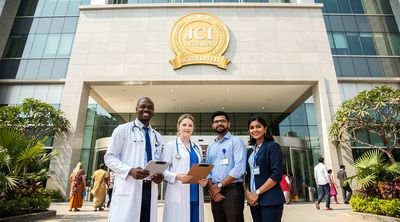
For patients researching facilities abroad, checking accreditation should be a non-negotiable first step. Any reputable facility will proudly display their accreditations and make verification easy.
The Major Issues in Medical Tourism: Risks and Complications
No discussion would be complete without addressing legitimate concerns. Understanding risks allows for better preparation and decision-making.
Health Risks: Infections and Travel Complications
Infection risk represents a real concern when traveling for surgery. Patients may encounter infectious diseases or antimicrobial-resistant pathogens more common in certain regions than in their home country.
Surgical site infections can occur anywhere, but outbreaks have been documented at specific facilities. Fungal meningitis cases in Mexico and mycobacterial infections following cosmetic procedures in the Dominican Republic highlight these risks.
The CDC has reported on health risks associated with cosmetic surgery abroad. These reports emphasize the importance of choosing accredited facilities and following all post-operative care instructions.
Travel-related deep vein thrombosis (DVT) poses a serious threat after surgery. Long flights combined with recent surgical procedures dramatically increase the risk of blood clots. These clots can travel to the lungs, causing potentially fatal pulmonary embolisms.
Experts recommend avoiding flying for at least 10 days after chest or abdominal surgery. This necessity means planning for extended stays abroad, adding to recovery time and costs.
Continuity of care challenges arise when complications develop after returning home. Your local doctor may be unfamiliar with the procedure performed or reluctant to treat complications from surgery they didn't perform.
Language barriers can complicate post-operative instructions and follow-up care. Misunderstandings about medication, activity restrictions, or warning signs can lead to poor outcomes.
Legal and Ethical Issues to Consider
Limited legal recourse represents perhaps the most sobering risk. If something goes wrong during or after your procedure, suing for malpractice in a foreign country can be extremely difficult or impossible.
Different legal systems, language barriers, and the impracticality of international litigation mean patients have little recourse compared to treatment in their home country. Some countries have no effective malpractice legal framework at all.
Ethical concerns extend beyond individual patient experiences. Medical tourism can create inequities in host countries. When foreign patients pay premium prices, local healthcare resources may shift toward serving international patients rather than the local population.
This contributes to doctor shortages for local residents in countries like India and Thailand. Top physicians focus on higher-paying international patients, leaving fewer qualified doctors for their own communities.
Organ trafficking represents a dark side of medical tourism. An illegal and unethical black market for organs exists in some parts of the world. The Declaration of Istanbul specifically addresses organ trafficking and transplant tourism, seeking to combat these practices.
Patients must ensure any transplant procedure follows ethical guidelines and legal organ donation protocols. Participating in organ trafficking, even unknowingly, carries serious legal and moral consequences.
The Role of Insurance
Understanding insurance coverage prevents financial surprises and ensures adequate protection.
The insurance landscape for medical services abroad remains complex and evolving.
Does Standard Insurance Cover Treatment Abroad?
Limited coverage represents the norm for most American health insurance plans. Domestic U.S. health insurance typically doesn't cover elective procedures performed outside the country.
Some plans provide emergency coverage during international travel, but this rarely extends to planned medical procedures. Always verify your specific policy's international coverage before making assumptions.
Supplemental insurance becomes crucial for medical tourists. Patients are strongly advised to purchase travel insurance that specifically includes coverage for medical complications and medical evacuation.
These policies cover unexpected complications requiring additional treatment or emergency transport back to the United States. Medical evacuation alone can cost tens of thousands of dollars without insurance.
Expat insurance serves digital nomads and long-term international residents. These international health insurance plans are designed to cover care in multiple countries, making them ideal for frequent travelers or those living abroad.
When shopping for supplemental coverage, read the fine print carefully. Some policies exclude certain procedures or have specific requirements about facility accreditation.
Employer-Sponsored Healthcare Programs
Forward-thinking employers have created programs to send employees abroad for major procedures as a cost-cutting strategy. This benefits both the company and the employee through shared savings.
Pioneering companies blazed this trail years ago. Blue Shield of California launched a cross-border plan for treatment in Mexico as early as 2000, recognizing the quality and value available just across the border.
Hannaford Bros., a supermarket chain, began paying for employees to have hip and knee replacements in Singapore in 2008. The company covered all travel costs for the employee and a companion, plus the procedure, and still saved money compared to U.S. treatment.
These programs typically include careful vetting of international facilities, coordination of all logistics, and guaranteed follow-up care. Employees face no out-of-pocket costs and often receive financial incentives for participating.
As healthcare costs continue rising, more employers are exploring these options. Insurance companies increasingly recognize that facilitating medical tourism can reduce overall healthcare spending while maintaining quality outcomes.
The trend suggests growing acceptance of tourism as a legitimate component of healthcare benefits rather than a desperate measure of last resort.
Frequently Asked Questions
Is medical tourism safe?
Medical tourism can be safe when you choose accredited facilities, research your surgeon thoroughly, and plan for comprehensive follow-up care. Risk increases when patients prioritize cost over quality or skip proper research. Always verify accreditation status and check surgeon credentials.
How much can I really save?
Savings typically range from 30% to 80% depending on the procedure and destination. Major procedures like heart surgery can save over $100,000. Even accounting for travel and accommodation, most patients save tens of thousands of dollars while receiving comparable quality care.
Will my insurance cover health tourism?
Most standard U.S. health insurance plans don't cover elective procedures abroad. However, some employer-sponsored programs specifically include international treatment options. Always verify your specific policy's coverage and consider purchasing supplemental travel insurance that covers medical complications.
What happens if complications arise after I return home?
This represents one of the biggest challenges in medical tourism. Before traveling, establish a relationship with a local doctor willing to provide post-operative care. Ensure you receive complete medical records from your international treatment. Some complications may require returning to the original facility or finding specialized care at home.