CO2 Laser Cost in Mexico: 2025 Prices (Save 70%)
Table of Contents
- Comparing CO2 Laser Skin Resurfacing Cost: Mexico vs. The US
- CO2 Laser Treatment Cost in Mexico: A City-by-City Price Overview
- What Factors Influence the Cost of Laser Skin Resurfacing in Mexico?
- Finding the Best CO2 Laser Treatment Clinics in Mexico
- A Patient's Guide to Laser Skin Resurfacing: Downtime, Procedure, and Results
- Frequently Asked Questions
- Final Thoughts
Ready to achieve flawless skin without the staggering price tag? Mexico has become a top destination for high-quality, affordable cosmetic laser treatments.
This guide breaks down the costs for CO2 laser skin resurfacing in top cities like Tijuana and Cancun, showing you how to save up to 70% compared to US prices while ensuring a safe and effective procedure.
Comparing CO2 Laser Skin Resurfacing Cost: Mexico vs. The US
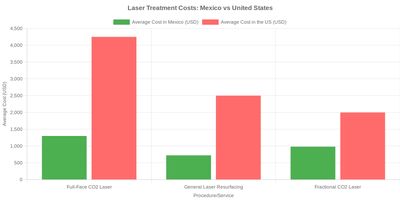
Understanding the price difference between Mexico and the United States is crucial for anyone considering cosmetic procedures abroad. The savings are substantial, and the quality can match or even exceed what you'd find north of the border.
Let's look at the numbers:
| Procedure/Service | Average Cost in Mexico (USD) | Average Cost in the US (USD) | Potential Savings |
|---|---|---|---|
| Full-Face CO2 Laser Treatment | $800 - $1,800 | $3,500 - $5,000 | 49% - 80% |
| General Laser Skin Resurfacing (per session) | $250 - $1,200 | $2,000 - $3,000 | 50% - 70%+ |
| Fractional CO2 Laser (per session) | $328 - $1,638 | $2,000+ | Up to 80% |
These aren't just theoretical savings. Real patients are achieving dramatic results while keeping thousands of dollars in their pockets.
The data tells a compelling story. Patients traveling to Mexico for CO2 laser treatments save between 49% and 80% compared to identical procedures in the United States. For a full-face procedure, this translates to $1,700 to $4,200 in actual savings.
CO2 Laser Treatment Cost in Mexico: A City-by-City Price Overview
Not all Mexican cities offer the same pricing structure. Location matters, and understanding regional differences helps you make smarter choices.
Here's what you can expect across popular medical tourism destinations:
| City | CO2 / Fractional CO2 Price Range (USD per session) | Key Notes |
|---|---|---|
| Tijuana | $800 - $1,500 (full-face CO2) | Offers 50-70% savings vs. the U.S. CosMed Clinic prices start at $800. |
| Cancun | $800 - $1,800 (CO2) | General laser resurfacing can be as low as $150. Medical tourism has grown 20% in 5 years. |
| Mexico City | $1,200 - $2,300 (CO2) | Average price is $1,750. Prices can be up to 30% higher due to high demand. |
| Puerto Vallarta | $328 - $1,311 (fractional CO2) | Known for clinics like Immunotherapy Regenerative Medicine. |
| Playa del Carmen | $250 - $993 (fractional CO2) | Offers some of the lowest entry prices for fractional treatments. |
Tijuana stands out as a prime destination for Americans. Its proximity to the California border makes it incredibly convenient, and you can drive across for a morning appointment and return home the same day.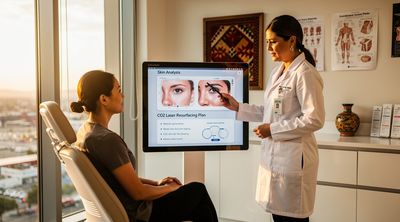
Cancun combines vacation appeal with medical value. Many patients schedule treatments alongside beach time, though you'll need to stay out of the sun during recovery. The city's infrastructure caters specifically to international patients.
Mexico City commands higher prices due to demand and operating costs. However, the capital offers access to some of the country's most prestigious clinics and experienced surgeons.
Playa del Carmen and Puerto Vallarta provide excellent value for fractional treatments. These coastal cities attract patients who want quality care in relaxed, beautiful settings.
What Factors Influence the Cost of Laser Skin Resurfacing in Mexico?
Understanding what drives pricing helps you evaluate quotes and avoid surprises. Several key variables determine your final bill.
Clinic Accreditation and Surgeon Expertise
Credentials matter, and they're reflected in pricing.
Board-certified surgeons with credentials from AMCPER or ISAPS typically charge 25-35% more than non-certified practitioners. This premium reflects years of specialized training and proven expertise.
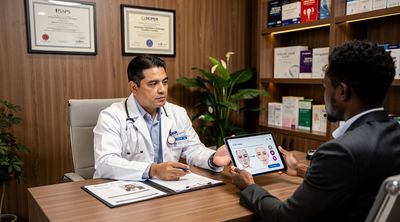
Clinic affiliation with international accreditation bodies like JCI signals adherence to rigorous safety standards. These facilities invest heavily in quality control, which increases operational costs by 15-20%.
Highly-rated clinics with extensive positive reviews command premium pricing because demand exceeds supply. When hundreds of satisfied patients recommend a provider, that provider doesn't need to compete on price alone.
Think of it this way: you're not just paying for the procedure itself. You're investing in peace of mind and reduced risk of complications.
Technology: Fractional CO2 vs. Standard CO2 Laser
Not all lasers are created equal. The specific laser technology used directly impacts both results and cost.
Standard ablative CO2 lasers remove entire layers of skin, delivering dramatic results but requiring longer recovery periods. These established systems represent the baseline pricing.
Fractional laser technology creates microscopic treatment zones, leaving surrounding tissue intact. This approach reduces downtime significantly but requires more sophisticated equipment.
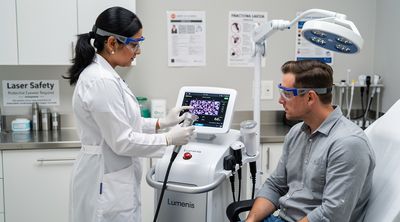
Expect to pay 20-30% more for fractional treatments. Modern FDA or CE-marked devices from manufacturers like Lumenis or DEKA represent significant capital investments. Clinics financing this advanced equipment factor those costs into their pricing structure.
The specific laser type can cause a 20-35% variance in overall cost. Different wavelengths and delivery systems target specific skin concerns more effectively than others.
Similar to how plastic surgery pricing varies by technique, laser treatments reflect the sophistication of the technology employed.
Geographic Location and Treatment Scope
Where you get treated and what areas you target significantly impact your total investment.
Major tourist destinations like Cancun and Mexico City charge up to 30% more than smaller cities. Higher rent, wages, and operational overhead drive these premiums.
A full-face treatment costs substantially more than targeting specific zones. Treating just the areas around your eyes or mouth might cost 40% less than comprehensive facial resurfacing.
Multiple sessions increase total costs by 20-50%. While some patients achieve desired results in one treatment, others require two or three sessions spaced 8-12 weeks apart for optimal outcomes.
Treatment area size directly correlates with price because larger areas require more time, more anesthesia, and more post-procedure care supplies.
Finding the Best CO2 Laser Treatment Clinics in Mexico
Choosing the right clinic makes all the difference between an excellent experience and a regrettable one. Research is your most powerful tool.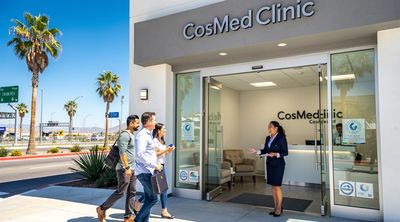
Top-Rated Clinics for CO2 Laser Skin Resurfacing
Several clinics have built stellar reputations serving international patients:
CosMed Clinic (Tijuana) holds certification from the International Society for Aesthetic Plastic Surgery. They offer CO2 treatments starting at $800 and maintain strong relationships with American patients seeking quality care close to home.
DR. IRERI ASTEINZA Clinic (Mexico City) adheres to global standards while providing personalized attention to international visitors. Their team specializes in combining advanced techniques with individualized treatment plans.
Immunotherapy Regenerative Medicine (Puerto Vallarta) brings over 20 years of experience in regenerative medicine and skin treatments. Their holistic approach appeals to patients interested in comprehensive wellness.
4everyouthful Medical Studio (Playa del Carmen) specializes in fractional laser treatments for skin regeneration. They've successfully treated over 1,000 international patients annually, building expertise in cross-cultural care.
These clinics represent just a starting point. Your ideal provider depends on your specific needs, budget, and location preferences.
Verifying Credentials and Safety Standards for Cosmetic Surgery in Mexico
Due diligence protects you from substandard care. Here's what to verify before committing:
Check that your provider holds certification from the Mexican Council of Plastic, Aesthetic and Reconstructive Surgery (CMCPER) or international organizations like ISAPS. These credentials confirm specialized training and ongoing education.
Look for clinic accreditation from organizations like Joint Commission International (JCI) or compliance with COFEPRIS standards. COFEPRIS is Mexico's health regulatory agency, equivalent to the FDA.
Reputable Mexican clinics maintain infection rates between 1-3%, matching U.S. benchmarks. Ask clinics directly about their infection control protocols and complication rates.
Communication shouldn't be a barrier. Most top-tier clinics employ English-speaking staff and bilingual patient coordinators who facilitate seamless interactions.
Request before-and-after photos of previous patients with similar skin types and concerns. Authentic results speak louder than marketing promises.
Many patients also consider complementary procedures like Botox or lip fillers during their visit, maximizing the value of their trip.
A Patient's Guide to Laser Skin Resurfacing: Downtime, Procedure, and Results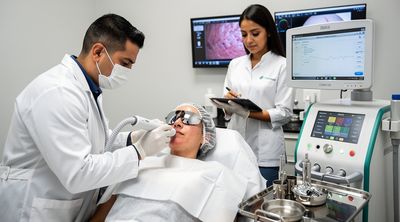
Understanding what to expect before, during, and after treatment reduces anxiety and helps you plan effectively.
The CO2 Laser Treatment Process: From Consultation to Procedure
Your journey typically begins with a virtual consultation. Most clinics offer these free assessments to evaluate your skin, discuss goals, and provide transparent pricing.
During this consultation, specialists create a personalized treatment plan tailored to your specific concerns. They'll assess skin tone, texture, and the severity of issues like fine lines, sun damage, or acne scars.
The actual procedure is performed on an outpatient basis. Depending on the treatment area, sessions last between 30 minutes and 2 hours.
Topical anesthesia numbs the treatment area, making the procedure tolerable for most patients. Some describe the sensation as similar to snapping rubber bands against the skin.
The laser works by stimulating collagen production deep within your skin layers. This process continues for 6-12 months after your treatment, meaning results actually improve over time.
When performed correctly, CO2 laser treatments deliver results that last 3-5 years. This longevity makes the investment more attractive compared to temporary solutions.
Understanding Recovery and Downtime After CO2 Laser Resurfacing
Recovery experiences vary significantly based on the type of treatment you receive.
Ablative CO2 treatments require 7-14 days of intensive recovery. Your skin will appear red, swollen, and will peel dramatically. Think severe sunburn-level discomfort.
Non-ablative or fractional approaches offer faster healing. Many patients return to normal activities within 2-3 days, though some redness persists.
Complete normalization takes longer than initial healing. Expect 4-12 weeks before redness fully subsides and your final results become visible.
Aftercare plays a crucial role in outcomes. You'll need to apply special ointments regularly and avoid sun exposure completely during healing. SPF 50+ sunscreen becomes your constant companion for months afterward.
Most patients schedule treatments during cooler months to avoid sun exposure challenges. Winter trips to Mexico make recovery easier than summer visits.
The downtime is temporary, but the results address signs of aging that have accumulated over years. This perspective helps many patients accept the recovery period.
Potential Risks and How to Minimize Them
Like any cosmetic procedure, CO2 laser treatments carry some risks. Knowledge and proper precautions minimize these concerns.
Temporary redness, swelling, and peeling are expected parts of healing, not complications. These side effects typically resolve within 1-2 weeks.
True complications include infection (1-3% risk) and hyperpigmentation, particularly in patients with darker skin tones. Board-certified dermatologists and strict adherence to aftercare protocols dramatically reduce these risks.
Follow-up care presents unique challenges for international patients. Discuss telemedicine options with your clinic before committing. Many providers offer video check-ins to monitor healing progress remotely.
Some patients also consider procedures like facelifts or blepharoplasty for comprehensive facial rejuvenation, coordinating multiple treatments during a single trip.
Ask your clinic about their emergency protocols. Know who to contact if concerns arise after you've returned home.
Frequently Asked Questions
How much does CO2 laser treatment cost in Mexico?
Full-face CO2 laser treatment in Mexico ranges from $800 to $1,800, compared to $3,500 to $5,000 in the United States. Fractional treatments start as low as $250 in cities like Playa del Carmen.
Is CO2 laser treatment safe in Mexico?
Yes, when you choose accredited clinics with board-certified providers. Reputable Mexican facilities maintain infection rates and safety standards comparable to U.S. clinics. Always verify credentials through organizations like ISAPS or CMCPER.
How long does recovery from CO2 laser resurfacing take?
Ablative CO2 treatments require 7-14 days of intensive downtime with significant redness and peeling. Fractional treatments heal faster, often within 2-3 days. Complete skin normalization takes 4-12 weeks regardless of treatment type.
Can I combine CO2 laser treatment with vacation in Mexico?
You can travel to Mexico for treatment, but avoid typical vacation activities during recovery. Sun exposure damages healing skin and risks complications. Plan quiet indoor activities for your immediate post-procedure period.
Do results from Mexican clinics match U.S. outcomes?
Top Mexican clinics use identical laser technology and follow similar protocols as U.S. facilities. Results depend on provider expertise and patient compliance with aftercare, not geographic location. Verify your chosen clinic's track record through patient reviews and credentials.
Final Thoughts
Mexico delivers exceptional value for CO2 laser skin resurfacing. The combination of advanced technology and prices up to 70% lower than U.S. rates creates compelling opportunities for dramatic skin rejuvenation. Success requires diligent research into clinic accreditation, surgeon credentials, and authentic patient testimonials. For those committed to thorough preparation, the significant savings make medical tourism to Mexico both financially sound and medically effective.