Fat Transfer Cost in Mexico: 2025 Plastic Surgery Prices (Save 70%)
Table of Contents
Considering a fat transfer to naturally enhance your face, breasts, or buttocks? This guide reveals how you can achieve stunning, long-lasting results in Mexico for up to 70% less than in the US.
We'll break down the exact prices for fat grafting, compare costs across popular cities, and walk you through planning your affordable plastic surgery journey.
Comparing the Cost of Fat Transfer: Mexico vs. The US
When you're ready to enhance your appearance using your own natural fat, understanding the price difference between countries becomes crucial.
The savings speak for themselves. Patients who travel south of the border for their cosmetic procedure typically save thousands of dollars without sacrificing quality or safety.

Fat Transfer Price Comparison: Mexico vs. US
| Procedure / Location | Average Cost in Mexico (USD) | Average Cost in the US (USD) | Potential Savings |
|---|---|---|---|
| General Fat Transfer | $2,000 - $5,000 | $8,000 - $20,000 | Up to 75% |
| Breast Augmentation | $3,000 - $6,000 | $8,000 - $15,000+ | Up to 70% |
| BBL (Buttocks) | $3,800 - $4,750 | $12,000 - $20,000+ | Up to 81% |
The numbers reveal a clear advantage. Whether you're looking for facial rejuvenation, breast enhancement, or a BBL, Mexico offers substantial financial relief.
These aren't just minor differences. You're looking at savings that could cover your entire travel expenses, hotel stays, and still leave thousands in your pocket.
City-by-City Fat Transfer Cost in Mexico
Not all Mexican cities charge the same rates. Your destination choice can significantly impact your total investment.
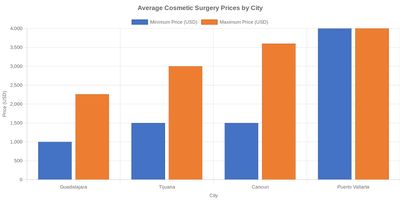
Tijuana and Guadalajara typically offer the most competitive starting prices, while larger tourist destinations may charge slightly more. Here's what you can expect:
| City | Average Price (USD) | Procedure Type |
|---|---|---|
| Guadalajara | $1,000 - $2,261 | General/Breast Lipofilling |
| Tijuana | $1,499 - $3,000 | General/Breast Fat Transfer |
| Cancun | $1,500 - $3,600 | General/Breast |
| Mexico City | $2,000 - $6,500 | General/Breast (with lipo) |
| Puerto Vallarta | $4,000 | Breast Fat Transfer |
| Ciudad Juárez | $6,500 - $8,500 | General Fat Transfer |
The variation depends on several factors. Clinic location, surgeon expertise, facility amenities, and included services all play a role in pricing.
Cities like Tijuana attract patients seeking maximum savings. Meanwhile, locations like Cancun offer the bonus of recovering in a tropical paradise.
A Detailed Breakdown of the Average Cost of Fat Transfer
Understanding exactly what you're paying for helps you make an informed decision. Let's examine the specific costs and what they include.
Different fat transfer procedures come with different price tags. The complexity of your desired enhancement affects the final bill.
The Cost of Fat Transfer Breast Augmentation
Fat transfer breast augmentation offers a natural alternative to implants. This surgical procedure uses your own fat to add volume and improve breast shape.
The procedure typically takes about one hour from start to finish. Surgeons harvest fat using advanced liposuction techniques like VASER, laser, or tumescent methods.
Mexico Price Range: $3,000 to $6,000
US/Canada Comparison: This represents a 50-70% reduction compared to the $8,000 to $16,000+ charged in the US and Canada.
Here's the exciting part. Surgeons report a fat survival rate of 75-80% for this procedure. That means most of the transferred fat becomes a permanent part of your body.
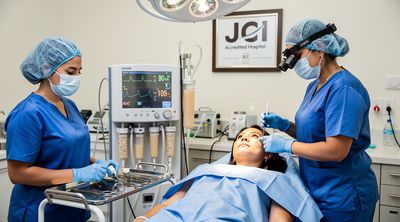
The fat injection technique requires precision and experience. Your board-certified plastic surgeon carefully places the fat in multiple layers to ensure optimal results.
Think about what you could do with $5,000 to $10,000 in savings. That's money back in your pocket while still receiving exceptional care.
Facial Fat Transfer and BBL Cost in Mexico
General fat grafting serves multiple purposes. You can rejuvenate your face, enhance your buttocks, or add volume to other body areas.
General Fat Grafting Price: The average cost ranges from $2,000 to $5,000 for general body or facial fat transfer.
BBL Package Pricing: All-inclusive Brazilian Butt Lift packages offer exceptional value for patients seeking dramatic curves:
- BBL + 2 Areas of Lipo: $3,800
- BBL + 360° Upper Body Lipo: $4,750
These packages combine multiple procedures for comprehensive body contouring. You remove unwanted fat from problem areas while adding it where you want more volume.
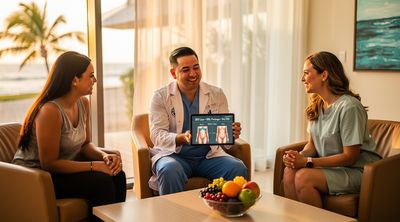
Facial Fat Transfer Focus: Clinics throughout Mexico specialize in facial rejuvenation with autologous fat injections. Prices start as low as $1,500.
Facial fat grafting addresses hollow cheeks, under-eye bags, nasolabial folds, and lip enhancement. The results look natural because it's your own tissue.
The longevity of facial fat transfer makes it a smart investment. Unlike temporary fillers that require regular maintenance, fat transferred to your face can last for years.
What's Included in All-Inclusive Plastic Surgery Packages?
Most price quotes from top fat transfer clinics in Mexico come as comprehensive packages. This simplifies budgeting and eliminates surprise fees.
All-inclusive means exactly that. Everything you need for a successful surgery and recovery gets bundled into one price.
Standard Inclusions:
- Surgeon and anesthesia fees
- Hospital and facility charges
- Pre-operative and post-operative consultations
- Required medical tests and medications
- Compression garments for donor areas
- Hotel accommodation (often for 7+ days)
- Airport and clinic transfers
- Bilingual assistance throughout your stay
This approach removes the guesswork. You know upfront what you'll spend without hidden costs appearing later.

Many clinics partner with nearby hotels to ensure comfortable recovery. Your package often includes a recovery companion who can assist with your needs.
The bilingual support proves invaluable. You'll have someone to translate medical instructions and help communicate with your surgical team.
Why is Fat Transfer Surgery So Affordable in Mexico?
Quality medical care at lower prices might seem too good to be true. However, legitimate economic factors explain the significant cost difference.
Understanding these reasons helps you feel confident about your decision. The savings aren't about cutting corners on quality or safety.
Lower Operational and Living Expenses
The cost of living in Mexico is substantially lower than in the US. This fundamental economic difference impacts every aspect of running a clinic.
Reduced Overhead: When a clinic's operational costs are lower, those savings get passed to patients.
Cost-Saving Factors:
- Commercial rent for clinic space
- Staff salaries for surgeons, nurses, and administrative personnel
- Utilities and medical supplies
- Equipment maintenance and upgrades
A board-certified plastic surgeon in Mexico earns a comfortable living while charging patients less. The economic conditions allow this balance to work for everyone.
Mexican medical facilities purchase the same FDA-approved equipment and materials as US clinics. The difference lies in what they pay for labor, rent, and daily operations.
Economic Advantage: These savings benefit you directly without compromising the quality of materials or the surgeon's expertise.
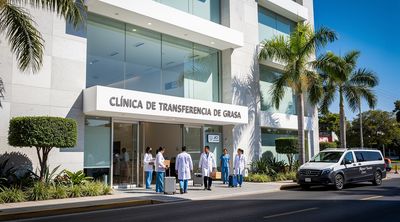
Your surgeon attended top medical schools and completed rigorous training. Their lower fees reflect Mexico's cost of living, not their skill level.
High Competition Among Fat Transfer Clinics
Medical tourism has created a thriving industry in Mexico. Dozens of highly-rated fat transfer clinics in Mexico compete for international patients.
Market Density: Cities like Tijuana host 10+ specialized clinics, while Mexico City features 5+ top-rated facilities.
This competition creates a patient-friendly environment. Clinics must offer attractive pricing and comprehensive packages to stand out.
Patient-Driven Market: International patients have options. Clinics know they must deliver exceptional value to earn your business.
To differentiate themselves, surgeons in Mexico invest in modern facilities and advanced technology. Many pursue international accreditations that verify their quality standards.
Quality as a Differentiator: Top clinics hold accreditations like JCI (Joint Commission International), the gold standard for patient safety worldwide.
You can find excellent options on platforms like Bookimed, which verify clinic credentials and patient reviews.
Competition drives innovation too. Clinics adopt the latest fat grafting techniques to achieve better results than their competitors.
Planning Your Fat Transfer Procedure in Mexico
Preparation makes the difference between a good experience and a great one. Taking time to research and plan ensures optimal results.
Your medical tourism journey requires careful consideration. These steps help you choose the right clinic and prepare for success.
Finding the Best Fat Transfer Clinics in Mexico
Not all clinics offer the same level of care. Your research should focus on credentials, experience, and patient satisfaction.
Verify Surgeon Credentials: Look for board-certified plastic surgeons with extensive experience in fat grafting procedures. Many top surgeons have 15 to 20+ years of experience.
Board certification means your surgeon completed advanced training in aesthetic plastic surgery. They passed rigorous examinations and maintain continuing education requirements.
Check Clinic Accreditation: Top facilities like Galenia Hospital in Cancun hold JCI accreditation. This international recognition validates their commitment to patient safety and quality care.
JCI-accredited hospitals meet the same standards as top US medical centers. They undergo regular inspections and must demonstrate continuous improvement.
Read Patient Reviews: Evaluate recent, verified patient testimonials to gauge clinic performance, communication, and results. Clinics like Dr. Victor Samano in Cancun often maintain near-perfect ratings of 4.9 out of 5 stars.
Look for reviews that mention specific details about the patient experience. Generic praise matters less than concrete information about results and care quality.
Assess Technology: Inquire about the liposuction technology used during fat harvest. Advanced methods like VASER can improve fat cell survival rates.
Better technology often means gentler fat extraction. This preserves more healthy fat cells for transfer, leading to better final results.
Don't hesitate to schedule video consultations with multiple clinics. This helps you compare approaches and find a surgeon you trust.
Understanding the Fat Transfer Procedure and Recovery
Knowing what to expect reduces anxiety and helps you prepare properly. Let's walk through the process from surgery to final results.
Fat grafting is a surgical procedure that moves fat from one body area to another. Your surgeon acts as both sculptor and engineer.
The Fat Grafting Process:
- Duration: The surgery typically takes 1 to 4 hours as an outpatient procedure.
- Fat Survival: On average, 50-80% of the fat transferred survives permanently after the initial 3 to 6 month settling period.
- Reabsorption Risk: Be aware that 20-50% of the fat may be naturally reabsorbed by your body during healing.
Your surgeon might transfer slightly more fat than needed. This accounts for the natural reabsorption that occurs during the first few months.
The procedure begins with liposuction to harvest fat from donor areas. Common donor sites include the abdomen, thighs, or love handles.
After harvesting, your surgeon purifies the fat to remove damaged cells and excess fluids. Only healthy fat cells get transferred to your target areas.
The injection process requires artistic skill. Your surgeon places tiny droplets of fat in multiple layers to ensure blood supply reaches each cell.
Fat Transfer Recovery Timeline:
- Initial Downtime: Plan for 3 to 7 days off work and a total stay in Mexico of 7 to 10 days.
- First Few Weeks: Swelling and bruising are normal. You'll wear compression garments on donor areas and avoid pressure on grafted areas for 4 to 6 weeks.
- Final Results: Full results typically appear after 3 to 6 months once swelling subsides completely and fat cells stabilize.
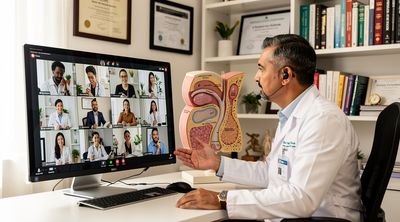
During your Mexico stay, attend all follow-up appointments. Your surgeon monitors healing and addresses any concerns immediately.
Compression garments help reduce swelling in areas where fat was removed. They also help your skin conform to its new contours.
Avoid sitting directly on transferred fat (for BBL patients) or sleeping on your face (for facial transfers). Following these guidelines protects your investment.
Most patients feel comfortable traveling home after 7 to 10 days. Your surgeon provides detailed aftercare instructions for continued healing at home.
The waiting period for final results requires patience. Your body needs time to establish blood supply to the transferred fat and eliminate excess fluids.
Frequently Asked Questions
Is fat transfer in Mexico safe?
Yes, when you choose a board-certified plastic surgeon at an accredited facility. Top clinics in Mexico maintain the same safety standards as US hospitals. JCI-accredited facilities undergo rigorous inspections to ensure patient safety, infection control, and quality care.
How long do fat transfer results last?
The fat that survives the initial 3 to 6 month period becomes a permanent part of your body. Unlike temporary fillers, successful fat grafting offers long-lasting results. However, significant weight changes can affect the appearance of transferred fat over time.
Can I combine fat transfer with other procedures?
Absolutely. Many patients combine fat transfer with liposuction, facelifts, or other cosmetic surgeries. Combination packages often provide better value and allow you to achieve comprehensive results in one trip. Discuss your goals with your surgeon during consultation.
What happens to transferred fat if I gain weight?
Fat transferred to new areas behaves like fat cells normally would. If you gain weight, the transferred fat cells can enlarge just like other fat cells in your body. Similarly, weight loss can reduce the volume of transferred fat.
Do I need a passport to get surgery in Mexico?
Yes, US citizens need a valid passport to enter Mexico. Ensure your passport remains valid for at least six months beyond your planned return date. This prevents any travel complications during your medical tourism trip.
Final Thoughts
Fat transfer in Mexico offers a proven path to saving 40 to 70% compared to US prices. These savings make high-end cosmetic procedures financially accessible to more people seeking natural enhancement.
The country hosts board-certified plastic surgeons and internationally accredited hospitals that deliver world-class results. An 85% patient satisfaction rate and high fat survival rates demonstrate the quality of care available.
By researching clinics, understanding costs, and planning carefully, you can confidently transform your appearance while saving thousands. Your journey to natural, lasting enhancement starts with taking that first step.