Cost of Braces in Mexico: 2026 Guide (Save 70% on Dental Work)
Table of Contents
- Average Cost of Braces in Mexico vs. The US: A Price Comparison
- Types of Braces Cost Comparison Table
- A Detailed Breakdown of Braces Cost in Mexico by Type
- Invisalign Cost in Mexico: The Clear Aligner Alternative
- Why is Orthodontic Treatment in Mexico So Affordable?
- Planning Your Trip for Getting Braces in Mexico
- Frequently Asked Questions
- Final Verdict: Is Getting Braces in Mexico Worth It?
Thinking about getting braces but shocked by the high prices in the US? This guide reveals how you can save up to 70% on orthodontic treatment by traveling to Mexico.
We'll break down the exact cost of braces for different types like metal, ceramic, and Invisalign, explain why the prices are so low, and guide you through planning your dental trip.
Average Cost of Braces in Mexico vs. The US: A Price Comparison
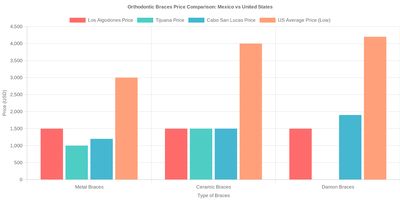
The difference in pricing between Mexico and the United States for orthodontic care is nothing short of remarkable.
When you compare the numbers side by side, the savings become crystal clear. American patients are discovering that crossing the border for dental work can mean keeping thousands of dollars in their pockets.
Here's what you need to know:
Types of Braces Cost Comparison Table
| Type of Braces | Los Algodones Price | Tijuana Price | Cabo San Lucas Price | Mexico National Average | US Average Price | Savings |
|---|---|---|---|---|---|---|
| Metal Braces | $1,500 | $1,000 | $1,200 | $400 - $3,500 | $3,000 - $7,000 | ~77% |
| Ceramic Braces | $1,500+ | $1,500 | $1,500 | $350 - $3,800 | $4,000 - $8,000 | ~75% |
| Damon Braces | $1,500+ | N/A | $1,900 | $1,074 - $3,500 | $4,200 - $8,000 | ~68% |
| Invisalign | $3,990 | N/A | $4,000 - $4,800 | $2,000 - $5,104 | $5,000 - $8,000 | ~45% |
Key Savings Insights
The numbers in that table tell a powerful story about healthcare costs.
Border cities like Tijuana and Los Algodones consistently offer the lowest prices. Tourist destinations like Cancun tend to be 20-30% more expensive, though still far cheaper than US alternatives.
Many Mexican clinics bundle everything into one transparent price. This includes consultation, diagnostics, placement, adjustments, and the final retainer. American clinics often bill these services separately, making the final cost harder to predict.
Overall savings range from 50% to 88% depending on which type of braces you choose and where you receive treatment.
A Detailed Breakdown of Braces Cost in Mexico by Type
Different types of braces serve different needs and budgets.
Understanding what each option offers helps you make the right choice for your smile and wallet.
1. The Cost of Traditional Metal Braces
Traditional metal braces remain the most popular choice for orthodontic correction worldwide.
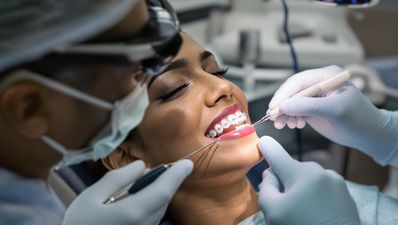
These stainless steel brackets and wires cost between $400 and $3,500 in Mexico. Top clinics in Tijuana and Cancun commonly charge a flat rate of $1,000 for complete treatment. Compare that to the US average of $3,000 to $7,000.
Metal braces are incredibly durable and effective for complex cases. They work for patients of all ages and handle everything from minor adjustments to major alignment issues. The shiny brackets are visible when you smile, but they're also the most affordable option available.
Treatment typically lasts 12 to 24 months. During that time, you'll need regular adjustments to gradually shift your teeth into their ideal positions.
2. The Cost of Ceramic (Clear) Braces
Ceramic braces offer a more discreet alternative without sacrificing effectiveness.
These tooth-colored brackets blend in with your natural smile, making them popular among adults and young professionals who want less noticeable orthodontic treatment.
Prices range from $350 to $3,800 in Mexico, with common pricing around $1,500 in cities like Cancun, Cabo, and Tijuana. American dentistry practices charge between $4,000 and $8,000 for the same treatment.
Ceramic brackets work just as well as metal ones. However, they can be slightly more fragile and may stain if you don't maintain proper oral hygiene. Despite these minor drawbacks, they achieve up to 90% alignment success within an 18 to 24-month period.
The aesthetic advantage makes the small price difference worthwhile for many patients.
3. The Cost of Self-Ligating Braces (Damon System)
The Damon System represents a technological advancement in orthodontics.
These self-ligating braces use a slide mechanism instead of elastic rubber bands to hold the wire in place. This design creates less friction and pressure on your teeth.
Mexican clinics charge between $1,074 and $3,500 for Damon braces. Specific pricing includes $1,800 in Cancun and $1,900 in Cabo San Lucas. US prices soar to $4,200 or even $8,000.
The benefits are substantial. Patients experience greater comfort and find the braces easier to keep clean. You'll need up to 50% fewer adjustment visits compared to traditional braces.
The Damon System often shortens overall treatment time and results in 70% fewer tooth extractions. This efficiency translates to fewer trips to the orthodontist and a faster path to your perfect smile.
4. The Cost of Lingual Braces
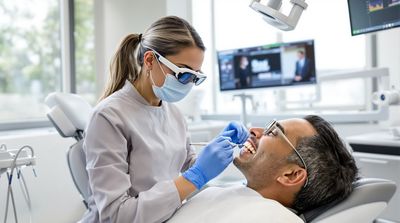
Lingual braces are the ultimate in invisible orthodontic treatment.
Unlike traditional bracket systems that attach to the front of teeth, lingual braces go on the back. This placement makes them completely invisible from the outside.
Starting prices range from $1,200 to $4,500 in Mexico. The same treatment costs between $6,500 and $8,000 or more in the United States, making it the most expensive option domestically.
Lingual dental braces deliver a 95% success rate. However, they come with some challenges. Many patients experience initial discomfort and temporary speech difficulties as their tongue adjusts to the hardware. The technique also isn't suitable for extremely complex cases.
If discretion is your top priority and you have the budget, lingual braces offer unmatched invisibility.
Invisalign Cost in Mexico: The Clear Aligner Alternative
Clear aligners have revolutionized orthodontic treatment for millions of patients.
They represent a modern approach that fits seamlessly into busy lifestyles.
Cost of Invisalign Treatment in Mexico
Invisalign treatment in Mexico ranges from $2,000 to $5,104 for a full case.
Los Algodones charges around $3,990. Cabo San Lucas offers Lite versions starting at $4,000 and Full cases at $4,800. Cancun provides some of the best deals at $2,000 to $2,500.
The US average sits between $5,000 and $8,000, with some complex cases exceeding that range.
Top Mexican clinics include everything in their quoted price. This covers the initial evaluation, 3D iTero scanning, X-rays, and the ClinCheck virtual treatment plan. You'll know exactly what you're paying upfront.
Why Choose Invisalign Clear Aligners?
Invisalign aligners are made from a translucent polymer that's nearly invisible when worn.
The removable design sets them apart from fixed braces. You can take them out for eating, drinking, brushing, and flossing. This makes maintaining good oral hygiene much easier than with traditional braces.
You'll wear each custom set of aligners for about two weeks, keeping them in for 22 hours daily. Then you move to the next set in the series. Each aligner gradually shifts your teeth according to your personalized treatment plan.
Average treatment time runs 12-18 months depending on your specific needs and how consistently you wear the aligners.
Why is Orthodontic Treatment in Mexico So Affordable?
The price difference isn't about cutting corners.
Several economic factors allow Mexican clinics to offer excellent care at lower prices.
1. Lower Operational and Education Costs
Mexico's cost of living directly impacts healthcare pricing.
Clinic rent, staff salaries, and utilities cost significantly less than in American cities. A dental clinic in Tijuana pays a fraction of what a similar facility would cost in San Diego, just across the border.
Education plays a major role too. Many Mexican orthodontists graduate with minimal student debt thanks to government-subsidized education programs. Without crushing loan payments to recoup, they don't need to charge inflated prices.
Overall business expenses including regulatory costs and administrative overhead remain substantially lower. These savings get passed directly to patients.
2. High Competition Among Clinics in Mexico
Border towns like Los Algodones have earned nicknames like "Molar City" for good reason.
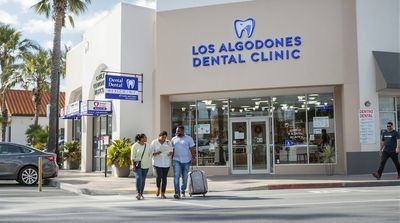
This small town packs 300-600 dental clinics into just a few square miles. That's one of the highest concentrations of dentists anywhere in the world.
Thousands of American and Canadian patients cross the border daily seeking affordable care. Clinics compete fiercely for these patients, which drives prices down while maintaining quality standards.
To stand out, many Mexican dental professionals pursue accreditations from organizations like the Asociación Dental Mexicana. They invest in modern technology and prioritize patient service to build their reputations.
Competition doesn't just lower prices. It also pushes clinics to maintain high quality standards.
Planning Your Trip for Getting Braces in Mexico
Proper planning ensures a smooth experience and optimal results.
Here's how to prepare for your orthodontic journey south of the border.
Finding a Qualified Orthodontist and Dental Clinic
Research is essential before choosing your provider.
Start by checking credentials. Look for orthodontists certified by the Mexican Council of Orthodontics. Many also hold memberships with the American Dental Association and bring over 10 years of experience to their practice.
Modern technology matters. Top clinics use 3D imaging and iTero scanners for precise treatment planning. These tools ensure accuracy and help predict your results before treatment begins.
Patient reviews provide valuable insights. Focus on recent, verified reviews that discuss communication, professionalism, and actual results. Pay attention to comments about follow-up care and how the clinic handles any complications.
Ask about materials before committing. Reputable clinics use FDA-approved materials from trusted brands like 3M or Ormco. This ensures compatibility if you need adjustments from a US-based orthodontist later.
Understanding the Treatment Process & Timeline
Your first visit typically lasts 3-5 days.
This initial trip includes a comprehensive consultation, necessary X-rays, and the placement of your chosen braces. The dentist will explain the treatment plan and answer all your questions.
Follow-up visits happen every 4 to 8 weeks for adjustments. While multiple trips require planning and travel costs, the cumulative expense still remains far below US prices. Some progressive clinics now offer tele-orthodontics to monitor progress remotely between visits.
Full treatment duration varies from 8 to 24+ months depending on case complexity. More severe alignment issues naturally require longer treatment periods.
After removal, you'll receive a retainer to wear. This crucial step maintains your results and prevents teeth from shifting back to their original positions.
Payment Options and Dental Insurance
Most Mexican clinics accept multiple payment methods.
USD cash, major credit and debit cards, and wire transfers are commonly accepted. Always confirm which payment methods your chosen clinic accepts before traveling.
Many providers offer flexible payment plans. You can pay in installments as treatment progresses over multiple visits. This spreads the cost and makes budgeting easier.
US dental insurance rarely covers direct billing to Mexican providers. However, many insurers including Aetna and Delta Dental will reimburse you for covered procedures. Your clinic can provide the necessary documentation to file a claim with your insurance company.
Keep all receipts and detailed treatment records to streamline the reimbursement process.
Frequently Asked Questions
Are braces in Mexico safe and high quality?
Yes, when you choose accredited clinics with experienced orthodontists. Many Mexican dental professionals receive training in the US and use the same materials and technology found in American practices. Research credentials and read patient reviews to find reputable providers.
How many trips to Mexico will I need for braces treatment?
You'll need an initial visit lasting 3-5 days for consultation and placement, then return every 4-8 weeks for adjustments. Total treatment lasts 8-24 months depending on your case. Some clinics offer tele-orthodontics to reduce the number of in-person visits required.
Can I start braces in Mexico and finish in the US?
This is possible if your Mexican clinic uses standard materials from brands like 3M or Ormco. However, finding a US orthodontist willing to take over mid-treatment can be challenging, and they may charge higher fees for continuation care.
What happens if I have an emergency with my braces?
Most reputable Mexican clinics provide emergency contact information and will work with you remotely if issues arise. For serious problems, you may need to return to Mexico or seek local emergency dental care in the US.
Do I need a passport to get braces in Mexico?
Yes, US citizens need a valid passport to cross into Mexico and return to the United States. Keep your passport secure and bring it to all appointments in case you need to show identification.
Final Verdict: Is Getting Braces in Mexico Worth It?
Mexico delivers an unbeatable combination of affordability and quality orthodontic care.
The savings of up to 88% on certain treatments make a compelling financial argument. Many orthodontists working in Mexican clinics received their training in the United States and use identical materials to top American practices.
For budget-conscious patients among the 4 million Americans wearing braces, dental tourism to Mexico represents a smart financial decision. The combination of professional expertise, modern technology, and transparent pricing creates an attractive alternative to expensive domestic treatment.
Your perfect smile doesn't have to break the bank.