HSCT Cost in Mexico: 2026 Price Guide (Save 80%)
Table of Contents
Considering Hematopoietic Stem Cell Transplantation (HSCT) for an autoimmune disease like MS? Mexico offers a world-class, affordable alternative, with potential savings of 80% or more compared to the US.
This guide provides a detailed cost breakdown for HSCT in Mexico, explains why prices are so low, and walks you through planning your medical journey to a leading stem cell transplant clinic.
HSCT Cost in Mexico vs. The US: A Direct Comparison

The financial burden of HSCT in the United States can be overwhelming for many families. However, choosing to pursue treatment in Mexico can dramatically reduce these costs while maintaining high standards of care.
Here's what you need to know:
Bone Marrow Transplant (HSCT) Price Comparison Table
| Procedure Type | Average HSCT Mexico Cost (USD) | Average US Cost (USD) | Potential Savings |
|---|---|---|---|
| Autologous HSCT | $30,000 – $70,000 | $300,000 – $400,000+ | ~85% |
| Allogeneic HSCT (Related Donor) | $70,000 – $150,000 | $500,000 – $800,000+ | ~81% |
| Allogeneic HSCT (Unrelated Donor) | $100,000 – $200,000 | $800,000 – $1,000,000+ | ~80% |
Key Financial Insights
The numbers tell a compelling story for international patients.
Overall savings typically range between 50% and 70% when you choose a Mexican facility for your HSCT treatment. For patients with Multiple Sclerosis seeking specialized Autologous HSCT protocols designed to reset the immune system, costs can be remarkably affordable at just $10,000 to $20,000 in certain facilities.
Think about it this way:
Many disease-modifying therapies for conditions like MS cost over $5,000 monthly. The total cost of HSCT in Mexico often pays for itself within 12 to 18 months when you compare it to the ongoing expense of these medications. This return on investment becomes even more attractive when you consider the potential for long-term disease control or remission.
A Detailed Breakdown of HSCT Treatment Prices in Mexico
Understanding the nuances of pricing across different cities and procedures helps you make informed decisions about where to seek treatment.
HSCT Cost by City in Mexico
Location significantly impacts your final expenses. Major medical tourism hubs compete for international patients, creating variation in both pricing and service offerings.
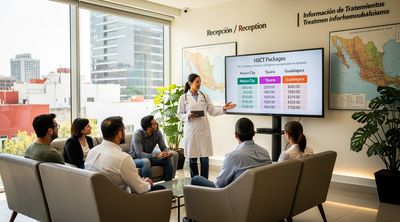
Pricing Table by Location (2025 Projections)
| City/Region | Autologous HSCT Cost (USD) | Allogeneic HSCT Cost (USD) | Key Notes/Inclusions |
|---|---|---|---|
| Mexico City | $10,000–$20,000 | $40,000–$100,000 | MS-specific AHSCT; includes evaluation, infusion, bilingual support. |
| Tijuana/Guadalajara | $25,000–$70,000 | $70,000–$150,000 | Full Bone Marrow Transplant (BMT) packages; often includes holistic rehab services. |
| Puebla/Monterrey | $30,000–$75,000 | $70,000–$100,000 | Packages may include accommodation and meals; focus on autoimmune conditions. |
| Cancun/General Mexico | $30,000–$70,000 | $100,000–$200,000 | Includes transplant and initial follow-up; requires a 3–6 month stay. |
The variation in pricing reflects different treatment protocols, facility amenities, and included services. Some centers specialize in autoimmune conditions, while others focus on hematology and cancer treatment.
Cost of Autologous Stem Cell Transplants
Autologous HSCT is a procedure that uses a patient's own hematopoietic stem cells to rebuild their immune system after high-dose chemotherapy.
The average price range across major medical tourism hubs falls between $25,000 and $75,000 in USD.

This approach has become increasingly popular for treating autoimmune diseases because it essentially "reboots" the immune system.
Common conditions treated with this approach include:
- Multiple Sclerosis (RRMS, SPMS, PPMS)
- Chronic Inflammatory Demyelinating Polyneuropathy (CIDP)
- Myasthenia Gravis
- Systemic Sclerosis
Success rates for stem cell transplantation in Mexico follow international protocols, with outcomes ranging from 60% to 90% depending on the specific condition and patient factors. These results are comparable to those achieved at accredited centers worldwide.
Cost of Allogeneic Stem Cell Transplants
Allogeneic transplants use donor cells rather than the patient's own stem cells. This procedure is more complex and therefore more expensive.
For related donor transplants, where a family member provides matched bone marrow or peripheral blood stem cells, expect to pay between $70,000 and $150,000 in USD.
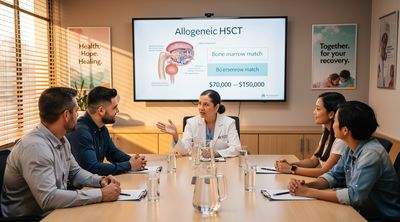 The donor is typically a sibling or parent with compatible tissue markers.
Unrelated donor transplants range from $100,000 to $200,000 in USD. These procedures require extensive donor registry searches and coordination. They represent the most complex option within the HSCT spectrum.
Primary conditions treated with allogeneic approaches include various blood cancers like leukemia, lymphoma, and multiple myeloma. If you're considering cancer treatment in Mexico, understanding these transplant options becomes essential.
Additional Costs to Factor Into Your HSCT Budget
Hidden expenses can catch unprepared patients off guard. Smart planning accounts for all aspects of your medical journey. A mandatory 24-hour caregiver must accompany patients throughout their treatment.
A comprehensive 28-day caregiver service package typically costs around $2,750 in USD. This person provides essential support during your most vulnerable recovery period.
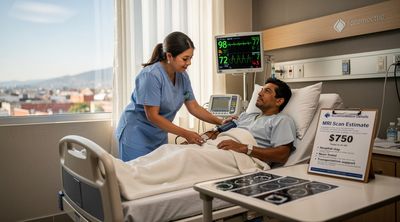
Recent imaging studies are required before treatment begins. An MRI scan no older than three months costs approximately $750 in USD at most facilities. These scans help doctors assess your current disease status.
Accommodation near the hospital for post-transplant monitoring represents another significant expense. Plan for a 6 to 12-week stay in the area. Some clinics partner with nearby hotels to offer discounted rates for patients.
Travel costs including flights, local transportation, meals, and daily living expenses typically fall outside the base treatment price. Budget carefully for these essentials.
Why Is a Stem Cell Transplant in Mexico So Affordable?
The dramatic price difference between Mexican and American facilities raises legitimate questions. Understanding the economic factors involved helps build confidence in your decision.
1. Lower Operational Costs
Running a medical facility in Mexico costs significantly less than operating the same hospital in the United States.
Real estate, utilities, and administrative salaries represent major overhead expenses. These fundamental costs are substantially reduced in the Mexican market. The favorable exchange rate between the US dollar and the peso provides immediate purchasing power for international patients.
Clinics can pass these savings directly to patients without compromising quality of care or cutting corners on essential services.
2. Intense Market Competition
Medical tourism has transformed cities like Tijuana into competitive healthcare markets. Numerous facilities vie for international patients, creating downward pressure on pricing.
This patient-driven pricing model benefits consumers directly. Clinics must offer comprehensive packages and exceptional service to stand out from competitors.
 Quality becomes a differentiator rather than a luxury add-on.
Facilities offering stem cell therapy in Tijuana compete not just on price but on outcomes, patient experience, and support services.
3. Lower Education and Insurance Burdens
The cost structure of healthcare delivery differs fundamentally between the two countries.
Mexican medical professionals typically graduate with far less student debt than their American counterparts. This reduced financial burden means doctors don't need to charge premium rates to service massive loans. Medical education in Mexico receives more public support, keeping tuition costs manageable.
The clinical malpractice insurance system operates differently as well. Lower insurance premiums and reduced administrative complexity associated with US insurance networks allow facilities to operate more efficiently.
These structural advantages mirror patterns seen across medical tourism. Just as patients find significant savings for hip replacement procedures or knee surgery, HSCT patients benefit from the same economic advantages.
Planning Your HSCT Treatment in a Mexico Clinic
Preparation separates successful medical tourism experiences from disappointing ones. Knowing what to expect helps you plan effectively.
What's Included in an HSCT Package?
Standard packages typically cover the essential medical components of your treatment.
Most programs include:
- Comprehensive pre-transplant medical evaluations
- The conditioning regimen of chemotherapy to prepare your body
- Stem cell collection through apheresis
- The actual intravenous stem cell infusion
- Hospitalization with nursing care throughout the procedure
- Necessary medications during your treatment phase
- Initial follow-up appointments before discharge
However, important exclusions exist:
- Personal travel, accommodation, and daily living expenses
- Costs related to donor searches for allogeneic transplants
- Treatment for unexpected complications or extended hospital stays
- Long-term follow-up care and medications after returning home
Understanding these boundaries prevents budget surprises later in your journey.
Conditions Treated by HSCT Centres in Mexico
Mexican facilities treat a wide spectrum of conditions with hematopoietic stem cell transplantation.
Autoimmune diseases represent a major focus, particularly at centers specializing in neurological conditions. Multiple Sclerosis patients from around the world seek treatment for all forms including relapsing-remitting, secondary progressive, and primary progressive variants. Other autoimmune conditions include CIDP, Stiff Person Syndrome, Sjögren's Syndrome, and various forms of vasculitis.
Neurological conditions beyond MS also respond to this approach. Transverse Myelitis and Neuromyelitis Optica patients have shown promising outcomes with appropriate protocols.
Blood cancers remain the traditional indication for transplantation. Leukemia, lymphoma, and multiple myeloma patients receive both autologous and allogeneic procedures depending on their specific disease characteristics.
Research published in the Journal of the American Medical Association highlights that HSCT could represent the first therapy capable of reversing disability in MS patients. This groundbreaking finding has driven increased interest in the procedure.
The HSCT Process and Timeline
Understanding the timeline helps you plan time away from work and family responsibilities.
Full payment is typically required two months before your scheduled treatment date. This advance payment secures your spot and allows the centre to prepare for your arrival.
The actual treatment duration requires a hospital stay of three to six weeks.
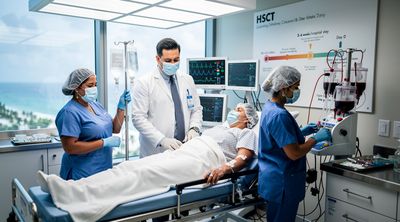 This period includes the conditioning chemotherapy, the stem cell infusion itself, and the critical engraftment phase where your new immune system begins to function.
However, the total time in Mexico extends far beyond your hospital stay. Patients should plan to remain in the country for three to six months total. Close monitoring during this period is essential for detecting and managing potential complications.
Full immune system reconstitution takes even longer. Complete recovery typically requires six to 12 months after the transplant. During this time, your body rebuilds its defenses against infection and disease.
For those exploring regenerative medicine options that don't involve full transplantation, understanding the differences becomes important. Resources on general stem cell approaches throughout the region provide valuable context.
Frequently Asked Questions
How do I choose a reputable HSCT clinic in Mexico?
Look for facilities with international accreditation, experienced hematology specialists, and transparent outcome reporting. Request detailed information about their protocols, success rates, and complication management. Ask for patient references and verify credentials independently. Many top centers publish their results and maintain relationships with major medical institutions.
Will my insurance cover HSCT treatment in Mexico?
Most US insurance plans do not cover medical procedures performed outside the country. However, some patients successfully appeal for coverage by demonstrating medical necessity and cost savings. Contact your insurance provider early in your research to understand your options. Even without coverage, the total out-of-pocket cost often remains lower than US deductibles and co-pays.
What happens if I experience complications after returning home?
Establish a relationship with a local hematologist before traveling for treatment. Many Mexican clinics coordinate with US physicians to ensure continuity of care. Your treatment center should provide detailed medical records and a comprehensive discharge plan. Some facilities offer telemedicine follow-up for the first few months after you return home.
Can family members accompany me during treatment?
Most clinics encourage and even require a dedicated caregiver to accompany patients. Additional family members can usually stay nearby but may not be permitted in certain hospital areas during intensive treatment phases. Discuss accommodation options with your chosen facility, as many partner with nearby hotels offering extended-stay discounts.
Is HSCT in Mexico as safe as treatment in the US?
Reputable Mexican HSCT centers follow the same international protocols and safety standards as accredited US facilities. The procedure itself carries inherent risks regardless of location, including infection, organ damage, and relapse. Success depends more on physician experience, protocol adherence, and patient selection than geographic location. Research your specific clinic thoroughly and verify their safety record.
Final Thoughts
Mexico provides an exceptional combination of advanced medical care and affordability for complex procedures like HSCT. The potential to save over 70% makes this option financially accessible to patients who might otherwise face impossible costs.
Success requires thorough research, careful clinic selection, and realistic financial planning. With protocols comparable to top global centers and experienced specialists, HSCT in Mexico represents a powerful option for reclaiming your health.
Similar cost advantages exist across many medical procedures, from bypass surgery to LASIK procedures, demonstrating Mexico's broader strength in medical tourism.