
Hysterectomy Cost in Mexico: Uterus Removal Price Guide (Save 70%)

Table of Contents
Considering a hysterectomy in Mexico? You could save over 70% without sacrificing quality. This guide provides a complete breakdown of hysterectomy costs, comparing prices in top cities like Tijuana and Cancun against the US.
We'll explore what's included in surgical packages, explain why the cost of this medical procedure is so low, and guide you through planning your medical tourism journey.
Hysterectomy Cost in Mexico vs. The US: A Price Comparison
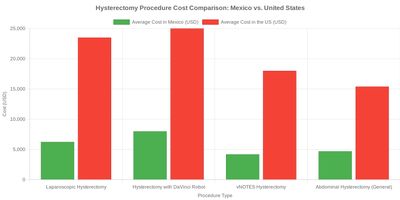
The price difference between having a hysterectomy in Mexico versus the United States is substantial. Many patients discover they can access the same quality care for a fraction of what they'd pay at home.
This section breaks down the numbers so you can see exactly how much you could save.
Average Cost Savings for Uterus Removal Surgery
Mexican medical facilities offer hysterectomy procedures at prices that make surgery accessible to thousands of international patients each year.
Here's what you need to know about pricing:
- Mexico Hysterectomy Cost Range: $3,900 to $5,500
- US Average Hysterectomy Cost: $15,400 to $42,500
- Average Savings: 70% to 89%
The real value becomes clear when you examine what's included in each price. US hospitals often charge separately for pre-operative tests, anesthesia fees, and hospital stays. These additional costs can push your final bill thousands of dollars higher than the initial quote.

Mexican surgical packages typically bundle everything together. Your quoted price usually covers the surgeon, anesthesiologist, hospital stay, medications, and all necessary tests. This transparent pricing makes budgeting for your procedure straightforward and eliminates surprise bills.
Surgical Procedure Cost Breakdown by Type
Different types of hysterectomy procedures carry different price tags. The surgical approach your doctor recommends depends on your specific medical conditions and health needs.
| Procedure Type | Average Cost in Mexico (USD) | Average Cost in the US (USD) | Potential Savings |
|---|---|---|---|
| Laparoscopic Hysterectomy | $5,200 - $7,300 | $23,500 | 73% |
| Hysterectomy with DaVinci Robot | $8,000 | $25,000+ | 68%+ |
| vNOTES Hysterectomy | $4,200 | $18,000+ | 76%+ |
| Abdominal Hysterectomy (General) | $3,900 - $5,500 | $15,400 | 70%+ |
Laparoscopic procedures use small incisions and specialized instruments, resulting in faster recovery time and less scarring. The DaVinci robotic system offers even greater precision, though at a slightly higher cost. The vNOTES technique removes the uterus through the vagina without any external incisions, making it an excellent option for certain patients.
Detailed Breakdown of Hysterectomy Costs in Mexico
Understanding the specific costs in different Mexican cities helps you choose the location that best fits your budget and travel preferences.
Each city offers unique advantages, from border convenience to beach resort settings.
Average Cost of a Hysterectomy by City (2025)
| City | Clinic/Hospital Example | Hysterectomy Type/Package Price (USD) | Inclusions/Details | Savings vs. U.S. (%) |
|---|---|---|---|---|
| Mexicali | Hospital de la Familia | $5,500 (full package) | Surgeon, anesthesia, 1-3 nights, tests, meds, 4-star hotel (no transfer); laparoscopic/robotic | 89% |
| Tijuana | Hospital Angeles Tijuana | $4,800 - $5,900 (laparoscopic) | Pre-op tests, anesthesia, 2-3 nights, follow-ups; JCI-accredited | 73-89% |
| Cancun | Dr. Enrique Pliego Private Practice | $4,500 - $5,750 (general) | Single-specialty, adults only; 500 patients/year | 70-89% |
| Puerto Vallarta | Hospital CMQ | $4,500 (general) | JCI standards, English-speaking; part of affordable surgery program | 70% |
| Playa del Carmen | Ginecologo Playa del Carmen | $7,000 - $8,000 (laparoscopic) | OB/GYN specialty, 12,000 patients; adults only | 40-60% |
| National Avg. | Various (e.g., Bookimed packages) | $3,900 - $5,500 (general) | Pre-op, anesthesia, stay, follow-ups; 4-7 day total trip | 50-89% |
Border cities like Tijuana and Mexicali offer the easiest access for US patients. You can drive across, have your procedure, and return home without dealing with airports. Coastal destinations combine your surgical care with a peaceful recovery environment.
The slight price variation between cities reflects differences in local operating costs and facility amenities. However, even the highest-priced Mexican option costs far less than comparable US care.
What's Included in a Typical Hysterectomy in Mexico Package?
Most Mexican hospitals offer all-inclusive packages that simplify the payment process. Understanding what's covered helps you avoid unexpected expenses.
A standard package typically includes:
- Core Medical Services: All surgeon, anesthesiologist, and nursing fees
- Hospital Stay: 1 to 3 nights of hospitalization post-surgery
- Pre-Operative Tests: Necessary blood work, ultrasounds, and consultations
- Medications & Supplies: All medications and surgical supplies used during your hospital stay
- Ground Transportation: Airport pickup, hotel, and clinic transfers
 These comprehensive packages mean you receive quality care without juggling multiple bills from different providers. Everything is coordinated through a single point of contact, making your medical tourism experience smooth and stress-free.
Potential Extra Costs to Budget For
While surgical packages cover most expenses, you'll need to budget for items outside the medical care itself.
Plan ahead for these additional costs:
- International Flights: Airfare to and from your chosen city in Mexico
- Extended Stay: Additional hotel nights before or after your required 4-7 day medical stay
- Pre-Travel Diagnostics: Any tests your home doctor requires before you travel
- Travel Insurance: Highly recommended for any medical tourism trip
- Companion Expenses: Costs associated with a travel partner, such as food and lodging
Most patients bring a companion for support during recovery. Factor in their meals, accommodation, and activities when calculating your total trip budget. Border cities offer the advantage of shorter, cheaper flights or even driving across.
Why Is the Cost of Hysterectomy Surgery in Mexico So Low?
The dramatic cost savings raise an obvious question: how can prices be so much lower without compromising quality?
The answer lies in economic factors, not inferior care.
1. Lower Operating and Living Costs
Mexico's lower cost of living directly translates to reduced healthcare expenses. Hospitals pay less for rent, utilities, and staff salaries compared to US facilities.
These savings get passed directly to patients.
The cost of living difference is substantial. A hospital in Mexicali might pay one-third of what a similar facility in San Diego spends on rent and utilities. Staff salaries reflect Mexico's economy while still providing excellent compensation by local standards.
JCI accreditation indicates a facility meets rigorous international standards. Accredited clinics may charge 15% to 20% more than non-accredited alternatives, but this premium reflects their commitment to global quality benchmarks.
Location affects pricing too. Major metropolitan areas typically cost 20% to 30% more than border towns. However, even Mexico City's premium prices represent massive cost savings compared to American hospitals.
2. Subsidized Medical Education and Lower Debt
Mexican doctors graduate with significantly less student debt than their American counterparts. This fundamental difference allows them to charge fair rates without the burden of massive loan repayments.
The Mexican government heavily subsidizes medical education at public universities. Talented students can complete their medical training with minimal debt. Compare this to US medical graduates, who often carry over $300,000 in student loans.
American doctors must charge higher fees to manage their debt obligations while maintaining a comfortable living. Mexican surgeons price their services based on operational costs and fair compensation rather than overwhelming personal financial pressure.
This doesn't mean Mexican doctors earn poorly. Many successful surgeons enjoy excellent incomes by local standards while still offering affordable surgery options to international patients.
3. High Competition in Medical Tourism Hubs
Cities along the US-Mexico border have become hotspots for medical care. The concentration of world-class hospitals creates healthy competition that benefits patients through better prices and service.
Think about it this way: when dozens of excellent facilities compete for the same patients, they must offer compelling value. No single hospital can charge excessive fees when patients can easily choose from multiple high-quality alternatives.
This competition drives innovation too. Hospitals invest in the latest technology and training to stand out from competitors. The steady flow of international patients allows facilities to maintain high surgical volumes, which improves both surgeon expertise and operational efficiency.
Border locations offer another advantage for cancer treatment and other procedures: convenience. Patients can drive across for consultations, surgery, and follow-ups without the expense and hassle of international flights.
Planning Your Medical Trip for a Hysterectomy in Mexico
Proper planning ensures a safe, successful surgical experience. Following these guidelines helps you find the right facility and prepare adequately.

Finding the Best Hospitals and Surgeons for Your Uterus Removal
Quality varies between facilities, so research is essential. Focus on objective quality indicators rather than marketing claims.
Start with accreditation. Hospitals with international or national accreditation have proven they meet strict safety and quality standards. JCI accreditation represents the gold standard, while CSG certification indicates compliance with Mexican national healthcare standards.
Verify your surgeon's credentials and experience. Top Mexican gynecological surgeons often have 10 to 42 years of experience performing hysterectomies. Board certification by the Mexican Council of Gynecology and Obstetrics demonstrates specialized training and ongoing education.
Check that facilities follow COFEPRIS regulations. COFEPRIS is Mexico's equivalent to the FDA, ensuring medical equipment and practices meet rigorous safety requirements. Accredited hospitals maintain compliance with these standards through regular inspections.
The Surgical Process: From Consultation to Recovery
Understanding the timeline helps you plan time off work and arrange support at home.
Most patients spend 5 to 7 days in Mexico for their complete surgical experience:
Day 1-2: Arrival, consultation, and pre-operative tests. Your surgeon reviews your medical history, performs a physical examination, and orders any necessary imaging or blood work. This ensures you're healthy enough for surgery and allows the team to customize your surgical plan.
Day 3: Surgery day. A total hysterectomy typically takes 1 to 3 hours depending on the technique used. Laparoscopic procedures often finish faster than abdominal approaches.
Day 4-6: In-hospital observation and recovery. Nurses monitor your vital signs, manage pain, and help you begin moving around. Early mobility reduces complications and speeds healing.
Day 7: Discharge and final check-up before being cleared to fly home. Your surgeon examines the surgical site and provides detailed recovery instructions.
Recovery continues at home. Laparoscopic procedures typically require 2 to 3 weeks before you can return to light activities. An abdominal hysterectomy needs 4 to 6 weeks for initial healing. Most patients resume all normal activities within 7 to 12 weeks, though this varies based on individual healing and the type of hysterectomy performed.
Understanding the Risks of a Hysterectomy for Fibroid or Other Conditions
All surgery carries some risk. However, in accredited Mexican facilities, complication rates match those in American hospitals.
Common risks include:
- Infection Risk: 2% to 5%
- Bleeding Risk: 1% to 2%
- Organ Damage Risk: Less than 1%
Minimally invasive techniques reduce these risks further. Laparoscopic and robotic hysterectomies use small incisions instead of large abdominal cuts. This approach offers a 95% success rate for treating conditions like uterine fibroids and endometriosis.
The type of hysterectomy affects which organs are removed. A total hysterectomy removes the uterus and cervix. A radical hysterectomy also removes surrounding tissue and is typically used for cancer treatment. Some procedures preserve the ovaries and fallopian tubes, while others remove them to address specific medical conditions.
Your surgeon will explain exactly what your procedure involves and answer questions about risks specific to your health situation. Similar to planning for cosmetic procedures, choosing an experienced surgeon in an accredited facility minimizes complications.
Frequently Asked Questions
Is it safe to have a hysterectomy in Mexico?
Yes, when you choose an accredited hospital with an experienced surgeon. JCI-accredited facilities maintain the same safety standards as top US hospitals, with complication rates that match or beat American averages.
How long do I need to stay in Mexico for a hysterectomy?
Most patients spend 5 to 7 days total. This includes pre-operative consultations, the surgery itself, and initial recovery before being cleared to travel home.
Will insurance cover my hysterectomy in Mexico?
Most US insurance plans don't cover elective procedures abroad, though some do. Check your policy carefully. Even paying out of pocket in Mexico often costs less than meeting a high US deductible.
What happens if I have complications after returning home?
Reputable Mexican surgeons provide detailed discharge instructions and remain available for questions. For serious complications, seek care at your local hospital and have them contact your Mexican surgeon for your surgical records.
Can I remove just the uterus or do the ovaries come out too?
This depends on your specific medical condition. Many hysterectomies preserve healthy ovaries to maintain hormone production. Your surgeon will discuss which organs need removal based on your diagnosis and overall health.
Final Thoughts
Choosing a hysterectomy in Mexico offers a powerful combination of affordability and high-quality medical care. With cost savings reaching up to 89%, patients can access top-tier surgeons and modern hospitals for a fraction of the US cost.
By conducting thorough research and planning carefully, you can have a safe, successful, and financially sound medical experience, making the short trip across the border a worthwhile investment in your health.