
LASIK Eye Surgery Cost in Mexico: 2026 Prices (Save 70%)
Table of Contents
- Comparing LASIK Eye Surgery Cost in Mexico vs. The US
- A Detailed Breakdown of Eye Surgery Cost in Mexico
- Why is LASIK in Mexico So Affordable?
- Finding the Best LASIK Eye Surgery and Top Clinics in Mexico
- Is Getting LASIK in Mexico Safe? Success Rates and Technology
- Planning Your Medical Tourism Trip for LASIK Surgery
- Frequently Asked Questions
- Final Thoughts on Getting LASIK Eye Surgery in Mexico
Ready to see the world clearly without glasses or contacts? This guide reveals how you can save up to 70% on LASIK eye surgery in Mexico.
We'll break down the exact prices for advanced procedures in top destinations like Tijuana and Cancun, explain why the cost is so low without sacrificing quality, and show you how to find the best surgeon for your medical tourism journey.
Comparing LASIK Eye Surgery Cost in Mexico vs. The US
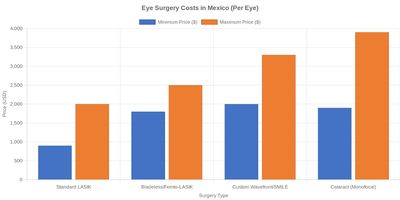
The price difference between getting LASIK in Mexico versus the United States is staggering. You can save thousands of dollars while still receiving world-class care using the same advanced technology.
Let's look at the numbers:
Complete Eye Surgery Price Comparison Table
| City | Standard LASIK (Per Eye) | Bladeless/Femto-LASIK (Per Eye) | Custom Wavefront/SMILE (Per Eye) | Cataract (Monofocal, Per Eye) |
|---|---|---|---|---|
| Tijuana | $900-$1,800 | $1,800-$2,500 | $2,000-$3,300 | $1,900-$2,500 |
| Cancun | $1,000-$1,800 | $1,800-$2,500 | $2,000-$3,300 | $1,950-$3,900 |
| Mexico City | $900-$1,500 | $2,100 | $2,100-$3,300 (PRK/SMILE) | $1,900-$3,900 |
| Overall Mexico | $900-$2,000 | $1,800-$2,500 | $2,000-$3,300 | $1,900-$3,900 |
| Average US Price | $2,000-$4,000+ | $2,500-$5,000+ | $3,000-$7,000+ | $3,500-$7,000+ |
The savings become even more apparent when you calculate the total cost for both eyes.
Total Savings on LASIK for Both Eyes
The real value becomes clear when you look at complete treatment costs:
- Mexico Cost (Both Eyes): $1,800 to $3,000 on average
- US Cost (Both Eyes): $4,500 to $8,000+ on average
- Total Savings Percentage: 40% to 70%
- Key Insight: Even after factoring in travel, the total cost for getting LASIK in Mexico offers substantial savings.
Think about what you could do with an extra $3,000 to $5,000 in your pocket. That's a vacation, a down payment on a car, or significant savings for your future.
A Detailed Breakdown of Eye Surgery Cost in Mexico
Different procedures carry different price tags. Understanding these variations helps you budget accurately and choose the right option for your needs.
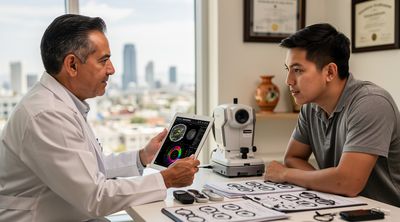
Cost of LASIK by Technology: Standard vs. Advanced Procedures
The type of LASIK technology used significantly impacts the price. Here's what you can expect:
Standard LASIK:
- Price Range (Both Eyes): $1,800 to $2,500
- Technology: Uses a microkeratome blade to create the corneal flap.
This traditional approach remains effective for many patients with straightforward prescriptions. The blade creates the flap that allows the surgeon to reshape your cornea.
Bladeless/Femtosecond LASIK:
- Price Range (Both Eyes): $1,800 to $2,800
- Technology: Uses a high-precision femtosecond laser for flap creation, offering enhanced safety.
The bladeless approach provides greater precision and typically results in faster healing times. Most top clinics in Mexico now offer this as their standard option.
Custom Wavefront LASIK:
- Price Range (Both Eyes): $2,000 to $3,900
- Technology: Creates a personalized 3D map of the eye for a highly customized treatment.
This advanced technique addresses subtle imperfections in your vision that standard corrections miss. It's particularly beneficial for patients with higher prescriptions or those seeking the sharpest possible vision.
SMILE (Small Incision Lenticule Extraction):
- Price per eye: Starts around $3,300
- Technology: A minimally invasive procedure ideal for certain prescriptions.
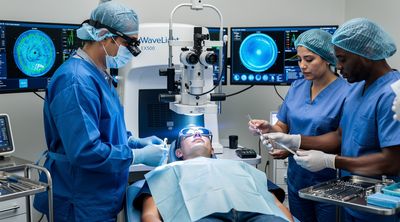
SMILE represents the latest evolution in laser vision correction. The smaller incision often means less dry eye and faster recovery, making it worth considering despite the higher cost.
Cataract and Other Eye Surgeries: What to Expect
Mexico's ophthalmology centers offer more than just LASIK. Here are other common procedures and their costs:
Cataract Surgery (Monofocal IOL):
- Price per eye: $1,900
- Purpose: Replaces the clouded lens with a standard intraocular lens (IOL).
This basic cataract surgery restores clear vision at one distance, typically for far vision. Most patients still need reading glasses afterward.
Cataract Surgery (Multifocal/Toric IOL):
- Price per eye: $2,500 to $3,900
- Purpose: Corrects both cataracts and astigmatism or presbyopia.
Premium lenses can reduce or eliminate your need for glasses and contact lenses entirely. The additional cost often proves worthwhile for active individuals.
Corneal Cross-Linking:
- Price per eye: $1,000
- Purpose: Treats progressive eye conditions like keratoconus.
This procedure strengthens the cornea to stop thinning and bulging. It's crucial for preventing vision loss in patients with degenerative corneal diseases.
Vitrectomy:
- Price per eye: $2,600
- Purpose: Treats problems with the retina and vitreous humor.
This complex surgery addresses serious conditions like retinal detachment or severe diabetic eye disease. The affordable prices in Mexico make specialized care accessible to more patients.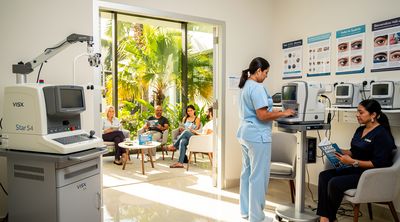
Why is LASIK in Mexico So Affordable?
You might wonder how Mexican clinics can offer such dramatic cost savings. Is something being compromised?
The answer is no. Several economic factors create these affordable prices without sacrificing quality.
1. Lower Operational and Education Costs
The fundamental cost of doing business in Mexico is significantly lower than in the United States.
Reduced Overhead: The cost of running a medical practice, including rent, utilities, and staff salaries, is significantly lower in Mexico.
A state-of-the-art clinic in Tijuana pays a fraction of what a similar facility in San Diego would spend on rent. Staff salaries, while competitive locally, are lower than US wages.
Lower Maintenance Costs: The expenses associated with maintaining advanced laser equipment and facilities are less prohibitive.
Equipment servicing contracts, supplies, and general facility maintenance all cost less. This allows clinics to invest in cutting-edge technology while keeping prices down.
Surgeon Education: Many ophthalmologists in Mexico attend government-subsidized universities, graduating with far less student debt than their US counterparts, which reduces pressure to charge high prices.
American doctors often carry hundreds of thousands in student loans. Mexican surgeons typically graduate debt-free, allowing them to charge less while maintaining an excellent income.
2. Competitive Market Among Clinics in Mexico
Market dynamics play a huge role in keeping prices low and quality high.
High Clinic Density: Major medical tourism hubs like Tijuana, Cancun, and Mexico City have a high concentration of top-tier eye clinics.
With dozens of quality options, patients have real choices. Clinics must compete on both price and service quality.
Patient-Driven Market: This intense competition for international patients naturally drives prices down while pushing quality and service up.
Clinics know that medical tourists do extensive research and compare options. This creates tremendous pressure to maintain excellent outcomes and stellar patient reviews.
Package Inclusions: To stand out, clinics often bundle services into their pricing, including pre-op exams, the procedure, facility fees, post-op medications, and follow-up visits.
Most quotes you receive will be all-inclusive. This transparency makes budgeting simple and eliminates surprise costs.
Finding the Best LASIK Eye Surgery and Top Clinics in Mexico
Choosing the right clinic and surgeon is the most important decision in your medical tourism journey. Here's how to identify truly excellent providers.
What to Look for in a Reputable LASIK Clinic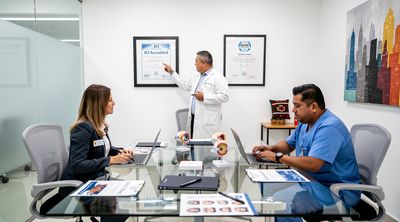
Not all clinics are created equal. Focus on these key indicators of quality and safety:
International Accreditations: Look for certifications that demonstrate a commitment to global standards.
- JCI (Joint Commission International): Clinics accredited by JCI meet rigorous international safety protocols.
- ISO 9001: Indicates adherence to quality management systems.
- COFEPRIS Approval: This is Mexico's equivalent of the FDA, ensuring regulatory compliance.
These accreditations aren't just pieces of paper. They require regular audits, ongoing compliance, and demonstrated commitment to patient safety.
Top-Rated Clinics:
- Hospital de la Familia (Mexicali)
- Hospital Angeles Tijuana (Tijuana)
- CODET Vision Institute (Tijuana)
- Medica Sur (Mexico City)
- Hospital Galenia (Cancun)
These facilities have earned reputations for excellence through years of successful outcomes. Many cater specifically to international patients, offering services in English and coordinating all aspects of your care.
Meet Mexico's Best Eye Surgeons: Credentials and Experience
Your surgeon's qualifications matter more than the facility itself. Here's what to verify:
Board Certification: Ensure your surgeon is certified by respected bodies like the Mexican Council of Ophthalmology (CMO) or international groups like the ASCRS.
Certification proves your eye surgeon has completed rigorous training and continues meeting educational requirements.
Extensive Experience: The best eye surgeons in Mexico often have 10 to 40 years of experience and perform over 300 procedures annually.
Volume matters in surgery. Surgeons who perform hundreds of procedures yearly maintain sharp skills and spot potential complications early.
Specialized Training: Many top surgeons have completed fellowships in the US or Europe in specialties like corneal and refractive surgery.
Additional training beyond basic ophthalmology certification indicates dedication to excellence in specific procedures.
Bilingual Staff: Reputable clinics catering to medical tourism have English-speaking surgeons, doctors, and patient coordinators.
Clear communication is essential for understanding pre-operative instructions, asking questions, and following post-operative care guidelines.
Is Getting LASIK in Mexico Safe? Success Rates and Technology
Safety concerns are natural when considering surgery abroad. The data, however, is reassuring.
Success and Complication Rates: The Real Numbers
Mexican clinics achieve outcomes comparable to the best American facilities.
Patient Success Rate: 96 to 98% of LASIK patients in Mexico achieve 20/40 visual acuity or better, with 96% achieving their desired visual outcome.
These success rates match those reported by top American centers. The vast majority of patients achieve vision good enough to drive without glasses or contact lenses.
Low Complication Rate: The risk of significant complications like infection is extremely low, at just 0.1 to 0.5%. Studies show that LASIK is a proven and safe procedure with an annual complication rate below 1%.
Serious complications are rare with any qualified surgeon. The procedures performed in Mexico carry the same minimal risks as those in the United States.
Common Side Effects: Temporary issues like dry eye or glare affect around 20% of patients and typically resolve within a few months.
Most patients experience some dryness initially. Using eye drops as directed helps manage symptoms until natural tear production normalizes.
Advanced Technology Used for Eye Surgery in Mexico
Top Mexican clinics use the same equipment you'd find at premier American facilities.
FDA-Approved Lasers: Top clinics use the same globally recognized laser platforms found in the best US centers.
- WaveLight EX500
- VISX Star S4
These excimer laser systems represent the gold standard in refractive surgery. They're approved by regulatory agencies worldwide and deliver precise, predictable results.
Bladeless Femtosecond Lasers: This laser technology is the standard of care for creating the corneal flap, offering superior precision and safety over older methods.
The femtosecond laser creates the flap with incredible accuracy. This reduces complications and often leads to better visual outcomes than traditional blade methods.
Advanced Diagnostics: Pre-operative exams utilize tools for corneal topography and pachymetry to ensure you are a perfect candidate for the surgery.
Sophisticated mapping technology reveals subtle corneal irregularities that might make you a poor candidate. This screening protects you from complications and disappointment.
Planning Your Medical Tourism Trip for LASIK Surgery
Proper planning ensures a smooth, stress-free experience. Here's exactly what to expect.
Your Step-by-Step Travel Itinerary (3-7 Days)
Most patients can complete their entire journey in less than a week.
Typical Travel Time: A trip for LASIK surgery usually requires a 3 to 7-day stay.
The actual procedure takes minutes, but you'll need time for consultation, surgery, initial recovery, and a follow-up appointment.
Day 1: Arrival & Rest: Fly into your destination city (such as San Diego for Tijuana, or directly to Cancun or Mexico City) and settle into your hotel.
Get a good night's sleep before your consultation. This allows you to ask questions clearly and absorb information better.
Day 2: Pre-Op Consultation: Undergo a comprehensive eye exam, including corneal mapping, to confirm your candidacy.
This thorough examination typically takes one to two hours. Your surgeon will review your results, explain the recommended procedure, and answer all your questions.
Day 3: Surgery Day: The procedure itself takes only 15 to 30 minutes for both eyes. You will rest at your hotel afterward.
Most patients notice improved vision within hours. You'll need someone to escort you back to your hotel, as your vision will be blurry initially.
Day 4: Post-Op Check-Up: A follow-up visit with your surgeon to ensure your eyes are healing properly.
This appointment confirms everything is progressing normally. You'll receive guidance on activities to avoid and when to use eye drops.
Days 5-7: Recovery & Departure: You are typically cleared to fly home after your first post-op check. Vision improves rapidly within 24 to 48 hours.
Most patients can fly home within a few days of surgery. Your surgeon will schedule follow-up appointments with a local eye doctor near your home.

Top Destinations for Eye Care: Tijuana, Cancun, and Mexico City
Each major medical tourism destination offers unique advantages.
Tijuana:
- Proximity: Located just minutes from the US border, easily accessible via San Diego.
- Specialty: A major hub for all types of medical tourism with dozens of highly-rated eye clinics.
For Americans living in the western states, Tijuana is incredibly convenient. You can drive across the border in the morning and return the same day if needed.
Cancun:
- Atmosphere: Combine your procedure with a relaxing recovery in a world-class vacation destination.
- Accessibility: Major international airport with direct flights from across the US and Canada.
Recovering in Cancun feels like a vacation. Beautiful beaches and resort amenities make the recovery period pleasant rather than boring.
Mexico City:
- Expertise: Home to some of the country's most prestigious hospitals and specialized eye care centers.
- Travel: A central hub with excellent flight connections.
The capital offers access to Mexico's most experienced surgeons and comprehensive medical facilities. It's an excellent choice for complex cases requiring specialized expertise.
Frequently Asked Questions
How long does LASIK recovery take?
Most patients notice improved vision within 24 hours and return to normal activities within a few days. Complete healing takes about three to six months, but you'll enjoy functional vision much sooner. Avoid swimming and contact sports for several weeks, and follow your surgeon's guidelines about wearing eye protection.
Will my US insurance cover LASIK in Mexico?
Most insurance plans don't cover laser-assisted in situ keratomileusis because it's considered elective. However, the cost savings in Mexico often exceed what insurance would cover anyway. Some Health Savings Accounts (HSAs) and Flexible Spending Accounts (FSAs) can be used for refractive surgery abroad. Check with your plan administrator.
Can I have complications fixed if something goes wrong?
Reputable clinics stand behind their work and will address any complications during your initial recovery period. For long-term issues, many surgeons maintain relationships with American colleagues who can provide follow-up care. Always discuss the clinic's policy on enhancements and complication management before committing to surgery.
Am I a good candidate for LASIK?
Good candidates typically have stable vision for at least a year, are over 18 years old, and have healthy eyes without diseases like glaucoma or severe dry eye. Your corneas must be thick enough to safely reshape. Conditions like pregnancy, diabetes, and certain medications may affect candidacy. A thorough eye exam determines your suitability.
Final Thoughts on Getting LASIK Eye Surgery in Mexico
Mexico offers a unique combination of world-class eye care, advanced laser technology, and prices that are up to 70% lower than in the United States. The significant cost savings make the short trip across the border a smart financial decision that can deliver life-changing results for your vision. By conducting thorough research and choosing an accredited facility with an experienced surgeon, you can ensure a safe and successful outcome.