Medical Tourism in India: Price Comparison (Save 60-90%)
Table of Contents
- Why Medical Tourism in India is a Top Destination for U.S. Patients
- Medical Treatment in India vs. U.S. Cost Comparison (Save 60-90%)
- Popular Medical Treatments for a Medical Tourist in India
- Finding the Best Doctors and Top Hospitals in India
- How to Plan Your Visit to India for Medical Treatment
- What to Expect: Post-Procedure Care and Patient Safety
- Frequently Asked Questions
India's medical tourism sector, valued at $9 billion, attracts 2 million patients annually with its unique blend of world-class healthcare and unparalleled affordability.
This guide provides a complete cost comparison against U.S. prices, showing how you can save 60-90% on treatments. We'll explore popular procedures, top hospitals, and practical steps for planning your medical journey to India.
Why Medical Tourism in India is a Top Destination for U.S. Patients
Choosing where to receive medical care is one of the most important decisions you'll ever make.
For international patients seeking affordable yet high-quality treatment, India has emerged as a clear frontrunner. The combination of cost savings, advanced technology, and experienced healthcare providers makes it an attractive alternative to expensive U.S. hospitals.
Let's explore what sets India apart as a premier medical tourism destination.
The Main Attraction: Unbeatable Affordability and Quality Healthcare
The numbers tell an impressive story.
Patients save 60-90% on medical treatments in India compared to the U.S. and UK. Some procedures cost just one-tenth of what you'd pay at home. This isn't about cutting corners. It's about accessing the same quality care at prices that actually make sense.
India ranks 10th out of 46 destinations in the 2020-2021 Medical Tourism Index. The country scores particularly high for its quality of facilities and services, proving that low cost doesn't mean low quality.
Here's what makes Indian healthcare stand out:
Advanced technology is everywhere. Top hospitals feature the latest medical technologies, including robotic surgeries and cutting-edge diagnostic equipment. You'll find the same machines and tools used in leading American hospitals.
Doctors speak English fluently. Many Indian physicians receive training at prestigious international institutions. Communication barriers are virtually non-existent because English is widely spoken throughout the healthcare system.
No waiting lists. Unlike in countries with socialized medicine, you won't spend months waiting for consultations or surgeries. Procedures can often be scheduled within days or weeks of your arrival.
The expertise available matches what you'd find anywhere in the world. Indian surgeons perform thousands of complex procedures annually, building experience that translates directly to better patient outcomes.
Government Support and Ease of Travel
The Indian government actively promotes healthcare tourism through its "Heal in India" initiative. This isn't just marketing. It's a coordinated effort to position India as a trusted healthcare destination.
The sector is projected to reach $13 billion by 2026, reflecting growing confidence from international patients.
Travel has become remarkably straightforward:
The government introduced specialized visas like the Ayush Visa for those seeking traditional medicine treatments. The e-tourism visa was expanded to accommodate medical travelers, simplifying the entry process significantly.
Who's coming to India for treatment?
Patients arrive from the U.S., UK, Canada, Australia, the Middle East, and Africa. This diverse mix of source countries demonstrates the universal appeal of Indian healthcare. Americans, in particular, are discovering that a medical trip to India can solve two problems at once: getting necessary treatment and avoiding crushing medical debt.
The visa process is streamlined compared to many countries. Most medical tourists can obtain authorization online without visiting an embassy. This convenience removes a major barrier that might otherwise discourage people from considering treatment abroad.
Medical Treatment in India vs. U.S. Cost Comparison (Save 60-90%)
Let's talk about money.
The price differences between India and the United States are staggering. We're not talking about small discounts here. These are life-changing savings that can mean the difference between getting treatment or going without.
Here's a detailed breakdown:
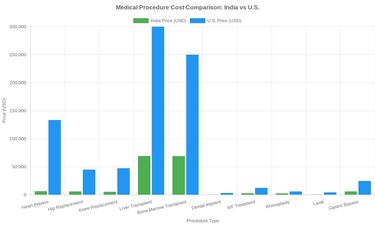
Complete Medical Treatment Cost Comparison Table
| Procedure | India Price (USD) | U.S. Price (USD) | Savings Percentage |
|---|---|---|---|
| Heart Bypass (CABG) | $5,200–$7,900 | $123,000–$144,000 | 90%+ |
| Hip Replacement | $5,000–$7,200 | $40,000–$50,000 | 85%+ |
| Knee Replacement | $4,000–$7,000 | $45,000–$50,000 | 90% |
| Liver Transplant | $69,350 | $300,000 | 75% |
| Bone Marrow Transplant | $69,200 | $250,000 | 70% |
| Dental Implant | $345–$1,000 | $2,500–$4,200 | 80%+ |
| IVF Treatment | $2,500–$3,250 | $12,400 | 75%+ |
| Rhinoplasty | $1,300–$4,000 | $4,000–$8,000 | 50-80% |
| Lasik (Both Eyes) | $477–$1,000 | $4,400 | 90% |
| Gastric Bypass | $5,000–$7,300 | $16,500–$32,972 | 70-85% |
Think about what these numbers really mean.
A cardiac bypass that costs $130,000 in the U.S. runs about $6,500 in India. Even after factoring in flights, accommodation, and recovery time, you're still saving over $100,000. That's enough to buy a house in many parts of America.
The pattern is clear: the more complex the surgery, the greater the absolute dollar savings. Major procedures like organ transplants and cardiac surgery offer the most dramatic cost reductions.
Consider a hip replacement. In the United States, you might pay $45,000. In India, the same procedure with the same quality implant costs around $6,000. That's $39,000 back in your pocket.
Even smaller procedures offer substantial savings. Dental implants that cost $3,000 in America can be obtained for under $700 in India. The implants are the same brands. The dentists are equally qualified. The difference is simply the cost of doing business.
These aren't promotional prices or temporary deals. They represent the standard pricing structure in the Indian healthcare system. Lower overhead costs, different economic conditions, and government support all contribute to these remarkable price points.
Popular Medical Treatments for a Medical Tourist in India
India excels across virtually every medical specialty.
Whether you need cardiac care, orthopedic surgery, or fertility treatment, you'll find world-class facilities ready to serve you. Let's examine the most sought-after procedures that bring patients from around the globe.
Advanced Cardiology and Orthopedics
Heart disease affects millions worldwide, and treatment costs in Western countries can be prohibitive.
India has become a global hub for cardiac procedures. Hospitals perform thousands of heart bypass surgeries, angioplasties, and valve replacements annually. The success rate matches or exceeds international standards, thanks to experienced cardiac surgeons who've trained at top institutions globally.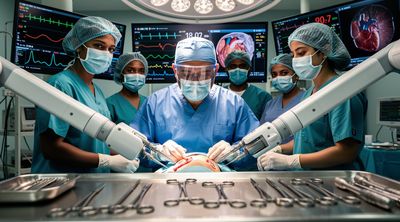
State-of-the-art catheterization labs and intensive care units provide the same level of monitoring and care you'd find in any American hospital. Many facilities specialize exclusively in cardiac care, building deep expertise in this critical area.
Orthopedic surgery represents another major draw.
Joint replacement procedures, particularly knee surgery and hip replacements, are among the most popular treatments. Surgeons use the latest implants from trusted manufacturers like DePuy, Zimmer, and Stryker. These are the exact same brands used in U.S. operating rooms.
Hip resurfacing and complex spinal fusion surgeries are routinely performed with excellent outcomes. The combination of skilled surgeons, modern equipment, and comprehensive rehabilitation programs ensures patients return home with improved mobility and reduced pain.
Cosmetic Surgery, Dental, and Fertility Treatments
Looking good shouldn't cost a fortune.
Cosmetic and plastic surgery procedures in India offer dramatic savings without compromising results. Rhinoplasty, facelifts, breast implants, and liposuction are performed by highly skilled surgeons, many of whom studied aesthetic surgery abroad before returning to practice in India.
Before-and-after galleries from leading hospitals demonstrate consistent, natural-looking results. Patients appreciate the privacy and discretion offered by many Indian facilities, along with the opportunity to recover in comfortable surroundings away from their daily routines.
Dental care represents exceptional value.
Full smile makeovers, crowns, bridges, and implants cost a fraction of Western prices. Chennai, in particular, has emerged as a dental tourism hotspot, with clinics offering comprehensive treatment plans that address multiple issues in a single trip.
Dental laboratories in India produce high-quality crowns and veneers that meet international standards. Many dentists use digital imaging and CAD/CAM technology to ensure perfect fit and appearance.
For couples struggling with infertility, IVF treatment in India provides hope at an affordable price. Advanced fertility clinics offer the full range of reproductive technologies, including egg donation, surrogacy (where legally permitted), and genetic screening.
Success rates at top fertility centers are comparable to those in the United States and Europe. The lower cost means couples can afford multiple cycles if needed, significantly increasing their chances of achieving pregnancy.
Specialized and Alternative Medicine
Complex cases require specialized expertise.
India excels in oncology, offering advanced cancer treatments including chemotherapy, radiation therapy, and surgical oncology. Comprehensive cancer centers provide multidisciplinary care, with tumor boards reviewing each case to develop personalized treatment plans.
Bone marrow transplants and liver transplants are routinely performed at major hospitals. These complex procedures require extensive expertise and sophisticated facilities, both of which are readily available at India's leading medical institutions.
Stem cell therapy for various conditions has gained traction, with many hospitals offering innovative treatments for neurological disorders, orthopedic conditions, and chronic diseases. While some stem cell applications remain experimental, Indian researchers and clinicians are actively advancing this field.
What truly sets India apart is the integration of traditional and modern medicine.
Ayurveda, an ancient system of natural healing, is practiced alongside conventional Western medicine. The Indian government promotes this holistic approach through its official Portal for Medical Tourism, recognizing that many patients seek wellness treatments beyond standard medical procedures.
Yoga and meditation programs complement medical treatments, helping patients recover faster and maintain better health long-term. This mind-body approach resonates with many Western patients who feel conventional medicine sometimes overlooks the emotional and spiritual aspects of healing.
Finding the Best Doctors and Top Hospitals in India
Quality varies anywhere you go.
The key to a successful medical journey is choosing the right hospital and physician. Fortunately, India has clear accreditation systems that help you identify facilities meeting international standards.
Look for International and National Accreditations
Accreditation isn't just paperwork. It's proof that a hospital maintains rigorous standards for patient safety, infection control, and quality of care.
The National Accreditation Board for Hospitals & Healthcare Providers (NABH) is India's premier accrediting body. Over 839 hospitals have earned NABH accreditation, demonstrating their commitment to excellence. This certification ensures hospitals follow standardized protocols and maintain proper documentation.
When researching hospitals, NABH accreditation should be your baseline requirement.
Many hospitals also pursue Joint Commission International (JCI) accreditation. JCI represents the gold standard in global healthcare accreditation. Facilities that earn this credential meet the same stringent requirements as top American hospitals.
JCI accreditation verifies that a hospital follows international best practices for everything from medication management to surgical safety protocols. It's your assurance that the facility operates at world-class standards.
Don't settle for facilities without proper credentials. The savings aren't worth the risk if you choose an unaccredited hospital. Stick with NABH or JCI-accredited institutions to ensure you receive safe, high-quality care.
A List of Top Hospitals in India for Medical Tourists
Several hospitals have built outstanding reputations among medical travelers.
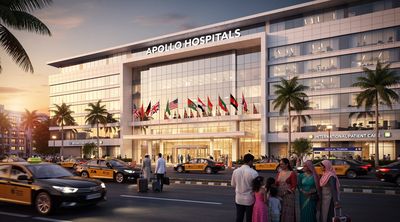
Apollo Hospitals in Chennai leads in cardiac surgery, organ transplants, and oncology. This massive healthcare network treated over 40,000 international patients in 2022. Their doctors include some of India's most respected specialists, and their facilities rival anything you'd find globally.
Fortis Hospital in Noida specializes in orthopedics, neurosurgery, and cardiac sciences. The hospital maintains state-of-the-art operating theaters and intensive care units. Patient reviews consistently praise the quality of care and attention to detail.
Max Healthcare in Gurgaon is a major private healthcare provider that treated over 50,000 foreign patients. Their multi-specialty approach means you can address multiple health issues at one location. The hospital network includes several facilities across Delhi and nearby regions.
Medanta, The Medicity in Gurgaon is known for cutting-edge technology and comprehensive medical services. This sprawling medical campus houses specialists in virtually every field. The hospital's commitment to innovation attracts patients seeking the latest treatment options.
Wockhardt Hospitals in Mumbai operates a super-specialty network focused on cardiology and neurology. Their cardiac care unit performs hundreds of complex procedures monthly, building expertise that translates to better outcomes for patients.
These hospitals represent just a sample of high-quality options. Many other excellent facilities exist across India, particularly in major cities like Bengaluru, Hyderabad, and Chennai.
How to Plan Your Visit to India for Medical Treatment
Planning makes all the difference.
A well-organized medical trip ensures you get the care you need without unnecessary stress or complications. Here's everything you need to know about visas, destinations, and cultural considerations.
Understanding the Medical Visa Process
Getting into India is easier than you might think.
The medical visa is specifically designed for patients seeking treatment. This visa can remain valid for up to one year, depending on your treatment requirements. You'll need a letter from your local doctor explaining your condition and proof of an appointment at an Indian hospital.
The application process is straightforward. Most applicants receive approval within a few days. Your chosen hospital in India will typically provide supporting documentation to strengthen your application.
Here's an important update:
As of 2019, foreigners can receive most medical treatments on an expanded e-tourism visa. This visa allows stays of up to six months, which is sufficient for most procedures and recovery periods. The e-tourism option is faster and more convenient than the traditional medical visa for many patients.
One exception exists: organ transplants still require a proper medical visa. The government maintains stricter oversight of these complex procedures.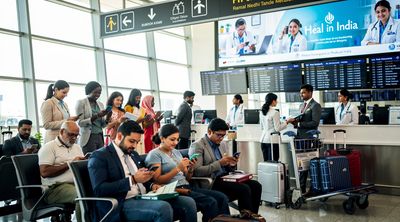
The Ayush Visa represents a specialized option introduced in 2023. This visa category serves tourists seeking treatment through traditional Indian systems of medicine, including Ayurveda, Yoga, Unani, Siddha, and Homeopathy. If you're planning to combine conventional treatment with alternative therapies, this visa might be appropriate.
Your hospital's international patient coordinator can guide you through the visa process, and ensure you apply for the correct category.
Top Destinations and Travel Logistics
Where you go matters.
Chennai, often called India's Health Capital, attracts 45% of all foreign health tourists. The city boasts the highest concentration of specialty hospitals and offers the most competitive pricing. If cost savings are your primary concern, Chennai should top your list.
The quality of care in Chennai rivals anywhere in the world. The city's hospitals have decades of experience treating international patients and understand Western expectations for communication and service.
Delhi NCR, including Gurugram and Faridabad, serves as another major hub. Numerous multi-specialty hospitals with JCI accreditation operate in this region. The proximity to India's capital means excellent infrastructure, international hotels, and easy access to the airport.
Mumbai and the surrounding state of Maharashtra attract 27% of India's medical tourists. As India's financial capital, Mumbai offers world-class hospitals alongside a cosmopolitan atmosphere that helps Western patients feel comfortable.
Other cities deserve consideration based on your specific needs:
Bengaluru excels in neuroscience and advanced cancer care. The city's reputation as India's technology hub translates to hospitals with cutting-edge medical equipment and digital health records.
Hyderabad has emerged as a center for nephrology and kidney transplants. Several hospitals in the city specialize in renal care and have performed thousands of successful transplants.
Kerala attracts patients seeking Ayurvedic treatments alongside conventional medicine. The state's natural beauty and peaceful environment provide an ideal setting for recovery and wellness programs.
Consider factors beyond just the hospital when choosing your destination. Think about climate, proximity to the airport, availability of accommodation, and what you'll do during recovery. Many patients appreciate having cultural attractions and natural beauty to explore once they're feeling better.
Cultural Considerations for Your Healthcare Journey
India welcomes medical tourists warmly.
Language won't be a barrier. English is widely spoken in all major hospitals, and most doctors and nurses communicate fluently. For patients who speak other languages, many hospitals provide translators for Arabic, Russian, and various African dialects.
Food might be your biggest cultural adjustment.
Hospitals cater to international patients with diverse menu options, including Western cuisine. However, local Indian food is famously diverse and often quite spicy. If you have a sensitive stomach or specific dietary needs, communicate this clearly to the hospital staff.
Most patients discover they enjoy Indian cuisine once they try it. The country offers an incredible variety of regional dishes, many of which are vegetarian and packed with flavor.
Dress modestly when outside the hospital. While major cities are cosmopolitan and accepting of Western clothing, conservative attire shows respect for local customs. Women should consider bringing scarves or shawls, and men should avoid shorts when visiting religious sites or rural areas.
A simple "Namaste" goes a long way. This traditional greeting, accompanied by hands pressed together, is appreciated by locals and demonstrates cultural awareness.
Indians are generally warm and helpful toward visitors. Don't hesitate to ask for assistance if you're confused or lost. Most people will go out of their way to help a foreign guest.
The pace of life may feel different than what you're used to. Traffic can be chaotic, and bureaucracy sometimes moves slowly. Patience and flexibility will serve you well during your medical travel experience.
What to Expect: Post-Procedure Care and Patient Safety
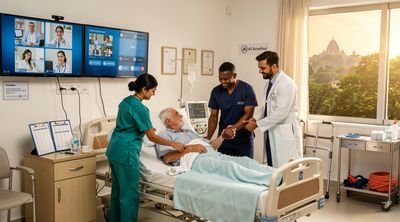
Your recovery matters as much as the surgery itself.
Top hospitals in India understand this and provide structured post-procedure rehabilitation programs. This is especially true for major orthopedic and cardiac surgeries, where proper rehabilitation determines long-term success.
Physical therapy, cardiac rehabilitation, and pain management are all part of comprehensive aftercare plans. Accredited hospitals assign care coordinators who ensure you understand your recovery protocol and have the support you need.
Modern technology extends care beyond your hospital stay.
Many facilities offer telemedicine follow-ups once you return home. This means you can have video consultations with your surgeon or physician without traveling back to India. Questions about your recovery, concerns about symptoms, or requests for prescription adjustments can all be handled remotely.
This ongoing connection provides peace of mind and ensures continuity of care after you leave India.
Patient rights are taken seriously at accredited facilities. You have the right to confidentiality, informed consent, and access to your medical records. Hospitals must explain procedures clearly, obtain your permission before treatment, and protect your personal health information.
If you have concerns about your care, accredited hospitals have formal complaint and resolution procedures. Patient advocates can help address issues and ensure your voice is heard.
Let's be honest about quality variations:
A 2024 meta-analysis highlighted that while surgical expertise in India is high, postoperative care can vary between facilities. This is why choosing NABH or JCI-accredited hospitals is so important. These credentials ensure standardized, high-quality follow-up care.
Not all hospitals are equal. Smaller facilities or those without proper accreditation may offer lower prices, but they might not provide the same level of post-operative monitoring and support. The money you save isn't worth the risk of complications or poor recovery outcomes.
Stick with recognized, accredited institutions. Verify credentials before committing to treatment. Ask detailed questions about what happens after surgery. A reputable hospital will provide clear answers and comprehensive aftercare plans.
Safety protocols at top Indian hospitals match international standards. Infection control measures, medication verification systems, and surgical safety checklists are all in place. JCI-accredited facilities undergo rigorous inspections to ensure compliance with these critical safety practices.
Frequently Asked Questions
Is medical care in India safe for Americans?
Yes, when you choose accredited hospitals. Facilities with NABH or JCI accreditation maintain the same safety standards as U.S. hospitals. Many doctors trained internationally and speak fluent English. Research your hospital carefully and verify credentials before making decisions.
How much can I really save on medical procedures in India?
Savings typically range from 60-90% compared to U.S. prices. A bypass surgery costing $130,000 in America runs about $6,500 in India. Even with travel expenses, most patients save tens of thousands of dollars. Complex procedures offer the greatest absolute savings.
Do I need a special visa for medical treatment in India?
Most patients can use the e-tourism visa, which allows stays up to six months for medical purposes. Traditional medical visas are still available and can be valid for one year. Organ transplant patients must use a proper medical visa. Your hospital can guide you through the application process.
Which Indian city is best for medical tourism?
Chennai attracts 45% of medical tourists and offers the highest concentration of specialty hospitals at competitive prices. Delhi NCR provides excellent multi-specialty care with modern infrastructure. Mumbai combines world-class facilities with a cosmopolitan environment. Choose based on your specific procedure and personal preferences.
What should I look for when choosing a hospital in India?
Verify NABH or JCI accreditation first. Research the hospital's specialty areas and ensure they have experience with your specific procedure. Read patient reviews and testimonials. Confirm they have international patient coordinators who speak English. Ask about post-operative care and telemedicine follow-up options.