
Medical Tourism in Singapore: Guide & USA Price Comparison
Table of Contents
- Singapore vs. USA Cost Comparisons: See the Savings
- Why Choose Medical Tourism in Singapore? A World-Class Healthcare System
- Top Medical Procedures and Specialties for International Patients
- A Look Inside Singapore's Top Hospitals and Healthcare Facilities
- Planning Your Medical Travel to Singapore: Visas, Accommodation & Logistics
- Frequently Asked Questions
- Final Thoughts
Discover why Singapore ranks as the world's #2 medical tourism destination. This guide breaks down the costs of top medical procedures, comparing them directly to US prices to reveal potential savings of over 80%.
We'll explore Singapore's world-class hospitals, advanced treatments, and provide a step-by-step plan for organizing your medical travel, from visas to post-operative care.
Singapore vs. USA Cost Comparisons: See the Savings
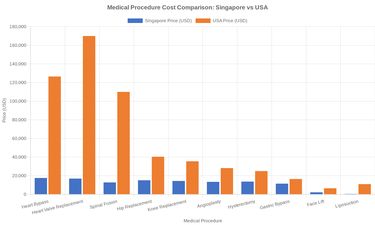
Understanding the financial advantages of medical tourism can help you make an informed decision about your healthcare options.
The numbers speak for themselves when comparing costs between Singapore and the United States. While the quality of care remains exceptional, the price difference is remarkable.
Let's look at the complete breakdown:
Complete Medical Procedure Price Comparison Table
| Procedure | Singapore Price (USD) | USA Price (USD) | Savings Estimate |
|---|---|---|---|
| Heart Bypass (CABG) | $17,200 - $18,000 | $123,000 - $130,000+ | 80-86% |
| Heart Valve Replacement | $16,900 | $170,000 | ~90% |
| Spinal Fusion | $12,800 | $110,000 | 88% |
| Hip Replacement | $13,900 - $16,350 | $40,364 | 59-65% |
| Knee Replacement | $12,800 - $16,000 | $28,000 - $43,000 | 43-63% |
| Angioplasty | $13,400 | $28,200 | ~52% |
| Hysterectomy | $13,700 | $25,000 | 45% |
| Gastric Bypass | $11,500 | $16,500 | 30% |
| Face Lift | $2,200 | $6,500 | 66% |
| Liposuction | $440 | $11,000 | 96% |
These figures demonstrate substantial cost differences across nearly every category. Complex cardiac procedures show the most dramatic savings, with heart valve replacements costing 90% less in Singapore.
Key Economic Insights for Medical Tourists
The savings potential extends beyond simple percentage calculations. Patients can expect savings of 20-40% on average compared to the US and Western Europe, with savings exceeding 80% for complex surgeries.
Here's what makes this particularly compelling:
Singapore positions itself as a premium, high-value destination. This means you're not sacrificing quality for lower costs. Instead, you're accessing superior medical care at a competitive price point that challenges Western healthcare pricing models.
The economic impact is substantial. The medical tourism sector in Singapore generated US$270 million in revenue in 2024 from 646,000 international patients, demonstrating the trust placed in Singaporean healthcare facilities globally.
Think about it this way: A bypass surgery in the US could cost over $120,000. In Singapore, you'd pay roughly $17,500. Even after accounting for travel, accommodation, and recovery time, the financial advantage remains significant.
Why Choose Medical Tourism in Singapore? A World-Class Healthcare System
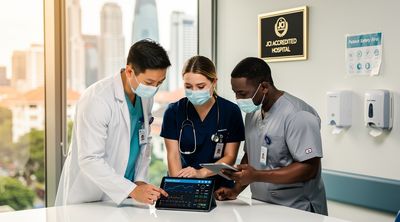
Medical tourism in Singapore represents more than just cost savings. It's about accessing some of the finest healthcare infrastructure on the planet.
The country's reputation didn't develop overnight. Decades of strategic planning and government investment created a healthcare ecosystem that rivals any in the developed world.
A Top-Ranked Global Healthcare Destination
Singapore's credentials are impressive. The nation ranks #2 out of 46 destinations in the 2020-2021 Medical Tourism Index (MTI), placing it among the elite healthcare providers worldwide.
What's more remarkable? Singapore holds the #1 spot globally for "Quality of Facilities & Services" within the MTI rankings. This isn't just about modern buildings. It reflects the entire patient experience, from initial consultation to post-operative care.
The World Health Organization recognized this excellence early. As far back as 2000, the WHO ranked Singapore's healthcare system as the best in Asia and sixth-best in the world. This foundation of quality has only strengthened over the past two decades.
Unmatched Quality and Safety Standards
Quality assurance takes center stage in Singapore's medical facilities. The country is home to 23 facilities accredited by JCI, ensuring adherence to the highest global standards.
Joint Commission International accreditation means these hospitals in Singapore meet stringent requirements that exceed most national healthcare regulations. The JCI seal represents a commitment to patient safety, quality improvement, and evidence-based care.
Singapore boasts some of the lowest rates of hospital-acquired infections and surgical complications worldwide. This achievement results from rigorous Ministry of Health protocols that healthcare facilities must follow without exception.
The medical professionals serving patients are exceptionally qualified. A striking 93.1% of non-resident doctors in Singapore were trained overseas, bringing diverse global expertise to their practice. The country maintains 2.6 doctors per 1,000 people, ensuring adequate staffing levels.
Communication barriers? They don't exist here. English is a primary language in business and medicine, ensuring clear communication for international patients from English-speaking countries.
Government Support for the Medical Tourism Sector
Government backing provides stability and oversight that benefits medical tourists. The SingaporeMedicine Initiative, established in 2003 by the Ministry of Health and the Singapore Tourism Board, promotes Singapore as a leading medical hub.
This isn't a passive marketing campaign. The initiative coordinates between healthcare providers, tourism operators, and government agencies to create seamless experiences for international patients.
The Healthcare 2020 Masterplan represents a national strategy focused on improving healthcare capacity, affordability, and service quality for all patients, whether local or international. This holistic approach ensures that the healthcare system continues evolving to meet global high standards.
Top Medical Procedures and Specialties for International Patients
Understanding which treatments Singapore excels at helps you make informed decisions about your medical care needs.
The destination for medical excellence spans numerous specialties, but certain areas stand out for their cutting-edge capabilities and proven outcomes.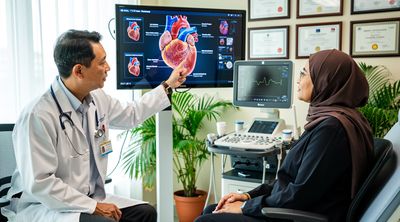
Leading Medical Specialties
Oncology programs in Singapore offer access to advanced treatments like proton therapy, immunotherapy, and targeted therapies in comprehensive cancer centers. These facilities treat thousands of international patients annually, with outcomes comparable to top Western institutions.
Cardiology and cardiothoracic surgery represent another area of extraordinary strength. Specialists perform minimally invasive heart surgeries, TAVI procedures, and complex bypass operations with success rates matching or exceeding global benchmarks.
Orthopedics and sports medicine programs provide expertise in joint replacements, spinal surgeries, and cartilage restoration. Robotic systems and advanced biomaterials allow surgeons to perform procedures with precision that was impossible just a decade ago.
Neurology and neurosurgery departments handle brain tumors, aneurysms, and spine disorders using state-of-the-art neuronavigation technology. These tools provide real-time imaging during surgery, improving accuracy and reducing complications.
Women's health and fertility services achieve high success rates in IVF treatments alongside comprehensive obstetrics and gynecological oncology. Many international couples choose Singapore for fertility treatments due to strict quality controls and transparent success rate reporting.
Advanced Medical Technology and Treatments in Singapore
Technology integration sets Singapore apart from many competing destinations. Widespread use of advanced systems like the da Vinci Xi enables minimally invasive, high-precision operations across multiple specialties.
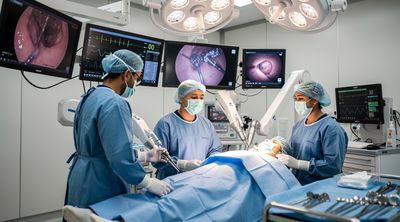
Advanced diagnostics include cutting-edge PET scans, MRIs, and genomic testing that personalize treatment plans. The AI deployment rate of 53% in healthcare exceeds the global average, supporting doctors with data-driven insights.
Singapore functions as a hub for pioneering research in stem cell therapy, neurosurgery innovations, and multi-organ transplants. This research environment means patients often access experimental treatments years before they become available elsewhere.
A Look Inside Singapore's Top Hospitals and Healthcare Facilities
Choosing the right facility matters as much as selecting the right procedure. Singapore offers numerous options, each with distinct strengths.
Renowned JCI-Accredited Hospitals in Singapore
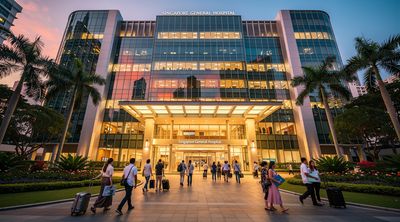
Singapore General Hospital stands as the nation's largest and most comprehensive hospital, consistently ranked among the world's best. This public institution treats complex cases and serves as a teaching hospital, maintaining high standards through continuous academic oversight.
Mount Elizabeth Hospital is a leading private hospital known for specialist medical and surgical services, including multi-organ transplants. International patients appreciate its dedicated support services and English-speaking staff.
Gleneagles Hospital serves as a key facility for oncology and cardiology with a wide range of specialties for international patients. Its central location and modern infrastructure make it a popular choice for medical tourists.
Johns Hopkins Singapore represents the Asian base for Johns Hopkins Medicine, a leading cancer center that treats over 1,400 new international patients annually. The connection to the renowned American institution provides access to cutting-edge protocols and research.
Other top hospitals like Parkway East Hospital and Farrer Park Hospital round out Singapore's impressive healthcare landscape. Each facility brings unique capabilities to the medical tourism market.
State-of-the-Art Healthcare Facilities
Digital integration streamlines care delivery. Over 90% of public healthcare institutions have adopted Electronic Medical Records (EMR), ensuring seamless continuity of care across facilities and specialists.
Most top hospitals have dedicated international patient departments to cater to cultural, dietary needs, and logistical requirements of medical tourists. These teams handle everything from appointment scheduling to post-discharge coordination.
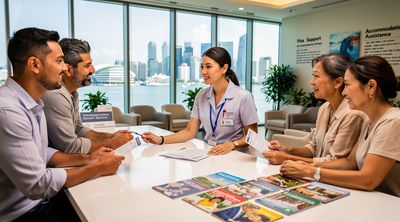
Insurance partnerships simplify payment processes. Many facilities maintain direct contracting agreements with major international insurers like Aetna and BlueCross BlueShield, allowing for direct billing in many cases.
Planning Your Medical Travel to Singapore: Visas, Accommodation & Logistics
Proper planning transforms medical tourism from a daunting prospect into a manageable journey. Understanding the logistics ensures you can focus on your health rather than administrative details.
How to Secure a Medical Visa for Treatment in Singapore
Obtaining a visa requires specific documentation. Applicants typically need a letter from the Singaporean medical facility confirming treatment, proof of sufficient funds, and accommodation details.
The government has created special medical tourism visa arrangements to ease access for international patients seeking care. These visas recognize the unique circumstances of medical travelers compared to standard tourists.
The visa generally lasts for the duration of the treatment and can be extended if medically necessary. Extensions typically require documentation from your treating physician explaining the clinical need for additional time.
Application processing usually takes 3-5 business days, though complex cases may require longer. Start the visa process at least six weeks before your planned travel date to allow for any unexpected delays.
Navigating Your Trip: Accommodation and Transportation
Singapore functions as a major international travel hub with excellent public transportation. The subway system (MRT) connects most major hospitals and accommodation areas efficiently and affordably.
Popular areas for medical tourists to stay include Orchard Road and Marina Bay, which are close to major healthcare facilities. These neighborhoods offer hotels at various price points along with restaurants, shopping, and entertainment.
Prepare for a tropical climate with high humidity, with temperatures averaging around 86°F (30°C) year-round. Light, breathable clothing is essential. Singapore's reputation as a safe, clean, and multicultural city makes navigation simple even for first-time visitors.
Many hip replacement patients and those undergoing knee surgery find that booking ground-floor accommodation or ensuring elevator access is crucial for post-operative mobility.
The Role of Teleconsultations for Medical Tourists
Pre-travel planning reduces uncertainty and improves outcomes. An estimated 65% of international patients use teleconsultations before they travel to Singapore.
Virtual consultations allows patients to get personalized treatment plans, transparent price quotes, and second opinions before committing to travel. This step can prevent unnecessary trips if alternative treatments might be more appropriate.

Teleconsultations also establish rapport with your healthcare provider. Meeting your surgeon or specialist virtually before arriving helps build trust and allows you to ask detailed questions about your procedure, recovery timeline, and expected outcomes.
Similar to options for hysterectomy procedures or gastric bypass operations elsewhere, Singapore's medical facilities provide comprehensive pre-operative consultations that cover all aspects of your care journey.
Frequently Asked Questions
Is Singapore safe for medical tourists?
Yes, Singapore ranks among the safest countries globally. The healthcare system maintains rigorous safety protocols, and the country itself has extremely low crime rates. All major hospitals have dedicated international patient coordinators who assist with safety and logistical concerns.
How long should I plan to stay in Singapore for medical treatment?
This depends on your procedure. Minor treatments might require only 3-5 days, while major surgeries like face lift procedures or complex cardiac operations may need 2-3 weeks for surgery and initial recovery. Your healthcare provider will recommend an appropriate timeline during your consultation.
Do Singapore hospitals accept international health insurance?
Many do. Top private hospitals have partnerships with major international insurers. Check with your specific insurance provider and chosen clinic before traveling. Some insurers require pre-authorization for overseas medical treatments.
What happens if I need follow-up care after returning home?
Most Singapore hospitals provide detailed medical records and coordinate with your home healthcare provider. Teleconsultations can handle many follow-up questions. Some facilities partner with clinics in other countries, particularly for specialized procedures like liposuction, to ensure continuity of patient care.
Can I combine medical treatment with tourism in Singapore?
Yes, many patients extend their stay for recovery and sightseeing. However, prioritize your health first. Most doctors recommend minimal activity immediately post-surgery, with gradual increases in mobility as healing progresses. Discuss your tourism plans with your medical team to ensure they align with your recovery requirements.
Final Thoughts
Singapore offers an unmatched combination of world-class quality, exceptional safety, and significant cost savings. This positions it as a premier medical tourism destination that competes favorably with traditional Western healthcare systems.
Access to cutting-edge technology, highly trained medical professionals, and accredited hospitals ensures the best possible outcomes across numerous specialties. With careful planning and research, international patients can receive life-changing medical treatment while saving tens of thousands of dollars compared to US prices.