Medical Tourism in South Korea: Price Comparison (Save 40-65%)
Table of Contents
South Korea welcomed over 605,800 international patients in 2023, solidifying its status as a global medical powerhouse.
This guide provides a complete cost comparison with the USA, revealing how you can access world-class plastic surgery, cancer care, and more for 30-70% less. We'll cover top hospitals, popular medical procedures, and how to plan your trip to Seoul.
South Korea Medical Tourism: A Cost Comparison with the USA
Understanding the financial benefits of medical tourism is often the first step in making an informed healthcare decision. When you compare the costs between South Korea and the United States, the savings become immediately clear.
Korean medical institutions offer procedures at significantly lower prices without compromising quality. The price difference stems from lower operational costs, different healthcare systems, and strong government support for the medical tourism industry.
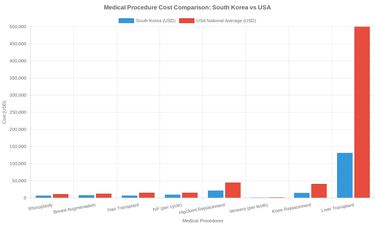
Complete Price Comparison Table
| Procedure | South Korea (Seoul, USD) | USA (National Average, USD) | Average Savings |
|---|---|---|---|
| Rhinoplasty (Nose Surgery) | $4,500 – $9,000 | $7,500 – $15,000 | 40-60% |
| Breast Augmentation | $6,000 – $10,000 | $10,000 – $15,000 | 40-50% |
| Hair Transplant | $5,000 – $9,000 | $15,000 | 40-67% |
| IVF (per cycle) | $7,000 – $12,000 | $15,000+ | 20-53% |
| Hip/Joint Replacement | $18,000 – $25,000 | $40,000 – $50,000 | 50-60% |
| Veneers (per tooth) | $760 – $1,580 | $800 – $3,000 | 5-50% |
| Flank Liposuction | $2,000 – $5,000 | $5,000 – $10,000 | 50-60% |
| Knee Replacement | $13,500 – $16,000 | $32,500 – $49,000 | 58-67% |
| Liver Transplant | $128,000 – $135,000 | $500,000+ | 73% |
| Full-Body Checkup | $500 – $900 | $2,000 – $3,000 | 70% |
These price differences make South Korea an attractive destination for Americans seeking quality healthcare at reasonable costs. Even when factoring in travel and accommodation expenses, most patients still save thousands of dollars.
For specific procedures like hair transplant cost or IVF treatments, the savings can cover your entire trip and still leave money in your pocket. The transparency in pricing also helps patients budget accurately before committing to treatment.
Why Is Korean Medical Care a Global Leader?
South Korea has earned its reputation as a medical tourism destination through decades of investment in healthcare infrastructure and education. The country's approach combines cutting-edge technology with highly trained healthcare professionals.
What sets Korea apart is its focus on measurable outcomes and patient satisfaction. The Ministry of Health and Welfare closely monitors healthcare quality through strict regulations and continuous improvement programs.
World-Class Success Rates and Advanced Technology
The numbers tell a compelling story about South Korea's medical excellence. When you look at survival rates and treatment outcomes, Korean medical institutions consistently outperform global averages.
South Korea's 5-year cancer survival rate reaches 70.4%, surpassing the OECD average. These impressive figures reflect the quality of care available:
- Thyroid Cancer: 100% survival rate
- Breast Cancer: 94.3% survival rate
- Stomach Cancer: 77% survival rate (compared to 32.4% in the US)
Organ transplant success rates demonstrate similar excellence. The country achieves a 92% liver transplant success rate, outperforming the 85% rate in the US. Heart transplant patients experience a 95% one-year survival rate.
Technology plays a crucial role in these outcomes. Korean hospitals invest heavily in advanced equipment including Da Vinci robotic surgery systems, CyberKnife radiation therapy, proton therapy units, and 7T MRI machines for precise diagnostics.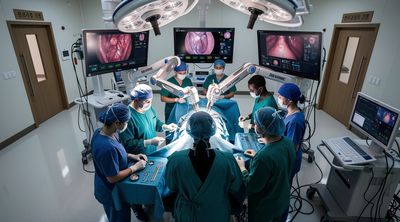
According to a 2022 survey, approximately 89% of foreign patients reported high satisfaction with their medical services. This feedback reflects not just successful outcomes but also the overall patient experience.
Korean Government Support: The "Medical Korea" Initiative
Government backing distinguishes South Korea from other medical tourism destinations. The "Medical Korea" initiative, launched in 2009, represents a strategic commitment to healthcare excellence.
The government has invested over $5 million to market its medical tourism sector. This funding supports promotional activities worldwide and aims to attract 1 million foreign patients annually by 2027.
Patient protection measures demonstrate the government's serious approach:
- Mandatory malpractice insurance for all clinics treating international patients
- Heavy fines up to 30 million won for unregistered medical brokers
- Strict licensing requirements for healthcare professionals
- Regular facility inspections and quality audits
The Korea Accreditation Program for Hospitals Serving Foreign Patients evaluates institutions on 149 specific criteria. This comprehensive assessment covers everything from medical expertise to language services and cultural competency.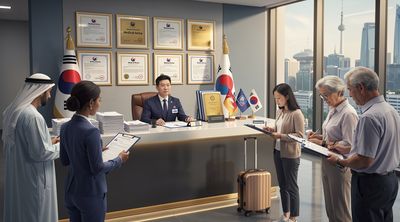
These regulations create a safe environment for medical tourists. You can trust that accredited facilities meet rigorous standards designed specifically for international patient care.
Top Medical Procedures for Foreign Patients in South Korea
Understanding which medical treatments attract the most international patients helps you see where South Korea truly excels. The country has developed specialized expertise in several key areas.
1. Cosmetic and Plastic Surgery in Seoul
South Korea holds the distinction of being the world's cosmetic surgery capital. With the highest per capita rate of cosmetic procedures globally, the country has 2,700 board-certified plastic surgeons.
In 2023, approximately 114,000 foreign patients visited Korea for cosmetic work. Half of these patients specifically sought K-beauty-inspired results that combine natural aesthetics with advanced techniques.
Seoul's Gangnam district serves as the epicenter of cosmetic surgery. Here you'll find concentrated expertise in:
- Rhinoplasty for facial harmony
- V-line jaw surgery for facial contouring
- Double eyelid surgery
- Breast augmentation
- Reconstructive surgery for burns and fractures
The popularity of Korean cosmetic surgery stems from surgeons' understanding of Asian facial anatomy and their ability to create natural-looking results. However, many clinics also specialize in treating western patients with different aesthetic goals.
For those interested in body contouring, liposuction procedures offer significant savings compared to western countries. Similarly, eyelid surgery costs remain highly competitive.
2. Advanced Oncology and Cancer Treatment
Cancer treatment represents a major draw for medical tourists seeking the best possible outcomes. South Korea ranks 5th globally in oncology, with three hospitals listed among the world's top 20 for cancer care.
The patient numbers reflect this reputation. In 2019, 11,226 foreign patients traveled to Korea for cancer treatment, marking a 45% increase from the previous year.
Korean hospitals offer cutting-edge cancer therapies:
- Lu-177 PSMA nuclear therapy for prostate cancer
- MR-Linac for precision radiation therapy
- Robotic surgery for minimally invasive tumor removal
- TomoTherapy for targeted radiation delivery
These advanced medical treatments combine with comprehensive care teams that include oncologists, radiologists, surgeons, and support staff. The multidisciplinary approach ensures patients receive coordinated care throughout their treatment journey.
3. World-Leading Organ and Bone Marrow Transplants
South Korea has become a destination for patients needing life-saving transplants. The country performs over 30% of all organ transplants with five-year survival rates of 86.72%.
Living-donor liver transplants represent a particular area of expertise. Korean surgeons perform over 400 liver transplants annually with a 92% success rate, making the country a world leader in this complex procedure.
Seoul St. Mary's Hospital operates Asia's largest hematology center. The facility has completed over 9,000 stem cell transplants, providing hope for patients with blood disorders and cancers.
The combination of skilled surgical teams, advanced facilities, and comprehensive post-operative care contributes to excellent outcomes. For procedures like hip replacement, Korean orthopedic surgeons deliver results comparable to the best centers worldwide.
4. Specialized Dermatology and Dental Care
In 2023, dermatology treatments attracted 35.2% of all medical tourists. The popularity of Korean skincare globally has created demand for professional dermatological services.
Treatments include laser therapies, skin rejuvenation procedures, and innovative stem cell anti-aging treatments. Korean dermatologists combine medical expertise with aesthetic sensibility.
Dental care offers another area of excellence. Korean clinics provide high-tech solutions including no-prep veneers priced at $760 to $1,580 per tooth. Dental implants cost between $2,000 and $3,000, significantly less than comparable work in western countries.
Advanced imaging technology and computer-aided design systems ensure precise fitting and natural appearance. Many dental clinics offer same-day crown fabrication and other time-saving services.
Finding the Best Korean Medical Institutions
Selecting the right hospital or clinic determines your treatment success. South Korea offers numerous excellent options, each with specific strengths and specializations.
1. Top JCI-Accredited Hospitals: Asan Medical Center & Samsung Medical Center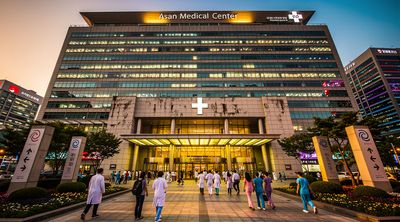
Two institutions stand out for their scale, expertise, and international patient services.
Asan Medical Center operates as Korea's largest hospital with 2,700 beds. In 2019, the facility served over 20,000 international patients seeking various medical treatments.
The center ranks #1 globally for liver transplant surgeries, performing 505 procedures in 2019 alone. Additionally, Asan performs over 22,000 cancer surgeries annually, making it a powerhouse in oncology.
Samsung Medical Center earned recognition as one of the world's top smart hospitals. The facility integrates artificial intelligence and digital systems throughout patient care.
Samsung operates the largest cancer center in Asia and leads in robotic surgery applications. The center's commitment to innovation attracts patients seeking the most advanced treatment options.
Both hospitals maintain dedicated international patient centers with English-speaking staff who coordinate every aspect of care. These services for international patients include medical interpretation, treatment planning, and coordination with insurance providers.
2. Specialized Clinics for Plastic Surgery and Spine Care
For cosmetic procedures, Seoul's Gangnam district hosts renowned clinics like JK Plastic Surgery, AB Plastic Surgery, and SAERO Plastic Surgery. These facilities specialize exclusively in aesthetic work, developing refined techniques through high patient volumes.
Wooridul Spine Hospital has built a global reputation in spinal surgery. The facility performs over 10,000 spine surgeries annually with a 97-98% success rate using minimally invasive techniques.
This specialization matters because focused expertise often produces better outcomes than general hospitals. Surgeons who perform specific procedures daily develop exceptional skill and efficiency.
For dental work, Minish Dental Hospital represents a premier choice. The facility has completed over 113,000 veneer cases, demonstrating extensive experience in cosmetic dentistry.
When choosing a facility, verify their accreditation status and ask about their experience with international patients. Established institutions understand the unique needs of medical tourists and provide appropriate support services.
Planning Your Medical Trip to South Korea
Proper planning transforms your medical journey into a smooth, stress-free experience. Understanding the process helps you prepare adequately and avoid common pitfalls.
The Consultation Process and Patient Support
Most major hospitals offer free virtual consultations as your first step. During this consultation, medical teams review your case, discuss treatment options, and provide transparent price quotes.
The process typically works like this:
- Submit your medical records and diagnostic images online
- Schedule a video consultation with the specialist
- Receive a personalized treatment plan and cost estimate
- Ask questions about the procedure, recovery, and logistics
International healthcare centers at institutions like Asan Medical Center and Samsung Medical Center employ bilingual staff who guide you through every step. These coordinators become your primary contact throughout the treatment process.
Many clinics bundle comprehensive support services including free airport transfers, visa assistance, and 24/7 nursing care during recovery. These concierge services remove much of the stress from medical travel.
The accommodation arrangements often include partnerships with nearby hotels offering discounted rates for patients and families. This convenience allows you to rest comfortably close to your medical facility.
Visa Requirements and Travel Logistics
Travel to South Korea is straightforward for most medical tourists. Citizens from over 110 countries, including the US, EU, and Canada, can enter visa-free for stays up to 90 days.
This visa-free access covers most medical procedures and recovery periods. However, for longer stays or complex treatments, the C-3-3 medical visa provides an alternative.
Obtaining a medical visa requires:
- A letter from your chosen Korean medical institution
- Proof of financial means to cover treatment and stay
- Valid passport with at least six months remaining validity
- Completed visa application form
Most international patients arrive through Incheon International Airport, located about 50 kilometers from Seoul. The airport connects seamlessly to the city through express trains, buses, and taxi services.
Plan to arrive a day or two before your procedure to adjust to the time difference and attend final pre-treatment consultations. This buffer also allows time to explore Seoul and reduce pre-procedure stress.
Accommodation and Tourism Packages in Seoul
Gangnam and Seocho districts offer prime locations for medical tourists. These areas provide proximity to major clinics and hospitals while offering hotels ranging from $50 to $200 per night.
Budget-conscious travelers can find clean, comfortable accommodation in the lower price range. Those seeking luxury will find five-star hotels with excellent amenities in the higher range.
Many hospitals have negotiated special rates with nearby hotels. Ask your international patient coordinator about these partnerships during your checkup planning phase.
Consider combining treatment with tourism to maximize your visit. South Korea offers rich cultural experiences:
- Visit Gyeongbokgung Palace to experience traditional Korean architecture
- Explore vibrant markets and shopping districts
- Enjoy Korean cuisine at authentic restaurants
- Take wellness retreats on Jeju Island after recovery
Some medical tourism packages bundle treatment with sightseeing tours, creating a comprehensive travel experience. These packages help you make the most of your time in Korea while ensuring proper recovery periods.
Frequently Asked Questions
Is medical tourism in South Korea safe?
Yes, medical tourism in Korea maintains high safety standards through government regulations. The Ministry of Health and Welfare requires malpractice insurance for all clinics treating foreign patients and enforces strict licensing requirements for healthcare professionals. JCI-accredited hospitals meet international quality standards comparable to top facilities in western countries.
How long should I plan to stay in South Korea for medical procedures?
The required stay depends on your specific procedure. Simple cosmetic treatments may need only 5-7 days, while complex surgeries like joint replacements typically require 2-3 weeks including recovery. Consultation with your medical team provides accurate timeline guidance based on your individual case and recovery needs.
Do Korean hospitals have English-speaking staff?
Major hospitals and clinics serving international patients employ English-speaking medical professionals and coordinators. Facilities like Asan Medical Center and Samsung Medical Center maintain dedicated international patient departments with multilingual staff. Smaller specialized clinics in Gangnam often have coordinators fluent in English to assist medical tourists.
Can I combine medical treatment with vacation activities?
Absolutely. Many patients visit Korea for medical tourism and include sightseeing in their itinerary. However, schedule leisure activities before your procedure or after your doctor confirms you've recovered sufficiently. Light activities like visiting museums or gentle walks are often permitted during recovery, while strenuous activities require medical clearance.
How do I verify a Korean hospital's credentials?
Check for JCI accreditation or certification from the Korea Accreditation Program for Hospitals Serving Foreign Patients. Research the facility's history, read patient reviews, and verify surgeon qualifications. Your medical tourism coordinator should provide credentials transparently. Avoid clinics unwilling to share accreditation information or surgeon backgrounds.
Final Thoughts
South Korean medical tourism delivers exceptional value through world-class quality, advanced technology, and savings up to 70% compared to US prices. The country leads globally in plastic surgery, cancer care, and organ transplantation with documented success rates matching or exceeding western standards.