Medical Tourism in Thailand: Price Comparison (Save 50-80%)
Table of Contents
- Why Thailand is a Top Medical Tourism Destination
- Thailand Medical Tourism vs. USA: A Complete Price Comparison
- Popular Medical Treatments in Thailand and Their Costs
- What Makes Medical Treatment in Thailand So Affordable?
- Finding the Best Hospital in Thailand: JCI-Accredited Excellence
- Planning Your Medical Travel to Thailand
- Frequently Asked Questions
- Final Thoughts About Medical Tourism in Thailand
Welcome to Thailand, Asia's premier medical tourism destination, where world-class healthcare meets incredible affordability.
This guide reveals how you can save 50-80% on treatments like cosmetic surgery, dental implants, and joint replacements at internationally accredited hospitals. We'll break down exact prices, introduce you to Thailand's top hospitals, and walk you through planning your seamless medical journey to the Land of Smiles.
Why Thailand is a Top Medical Tourism Destination
Thailand has emerged as one of the world's most trusted healthcare destinations for international patients seeking quality care at affordable prices.
The country's healthcare system ranks 6th globally, capturing nearly 90% of Asia's medical tourism market with a 16% annual growth rate. These impressive numbers aren't just statistics. They represent millions of satisfied patients who have discovered the exceptional value Thailand offers.
Every year, over 3 million international patients choose Thailand for medical treatment. This massive influx of medical tourists generates over $6 billion in annual revenue, cementing the country's position as a healthcare powerhouse in Southeast Asia and beyond.
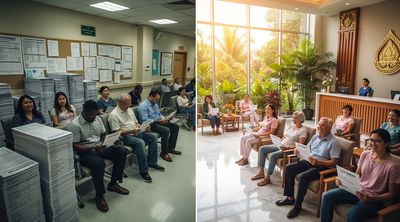
Thailand's commitment to excellence becomes even clearer when you look at hospital accreditation. The country was the first in Asia to receive Joint Commission International (JCI) accreditation back in 2002.
Today, more than 61 Thai hospitals hold this prestigious certification, the highest number in the region. The Joint Commission International sets rigorous standards that ensure patient safety and quality care worldwide.
This success didn't happen by accident. The Thai government actively promotes medical travel through its "Thailand Medical Hub" strategy. This comprehensive program includes practical benefits like:
- A specialized 90-day medical visa for patients requiring extended treatment or recovery
- Tax exemptions for healthcare providers that help keep costs down
- Partnerships with major airlines offering discounted airfares to medical travelers
- Coordinated marketing efforts that highlight Thailand's healthcare excellence
These government initiatives, combined with decades of investment in medical infrastructure and training, have transformed Thailand into a top destination for medical tourists from around the world.
Thailand Medical Tourism vs. USA: A Complete Price Comparison
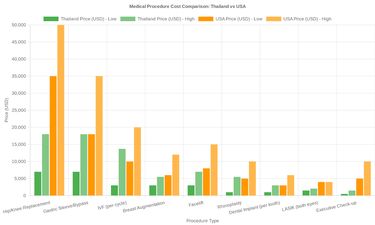
The cost difference between medical procedures in Thailand and the United States is staggering. Here's exactly how much you can save:
Complete Price Comparison Table
| Procedure | Thailand Price (USD) | USA Price (USD) | Savings Percentage |
|---|---|---|---|
| Heart Bypass | $10,000–$35,000 | $70,000–$200,000 | 70–90% |
| Hip/Knee Replacement | $7,000–$18,000 | $35,000–$50,000 | 50–80% |
| Gastric Sleeve/Bypass | $7,000–$18,000 | $18,000–$35,000 | 50–70% |
| IVF (per cycle) | $3,000–$13,700 | $10,000–$20,000 | 30–70% |
| Breast Augmentation | $3,000–$5,500 | $6,000–$12,000 | 50–70% |
| Facelift | $3,000–$7,000 | $8,000–$15,000 | 50–70% |
| Rhinoplasty | $1,000–$5,500 | $5,000–$10,000 | 50–80% |
| Dental Implant (per tooth) | $1,000–$3,000 | $3,000–$6,000 | 50–70% |
| LASIK (both eyes) | $1,500–$2,050 | $4,000 | 50–60% |
| Executive Check-up | $500–$1,500 | Thousands | 70–90% |
These numbers tell a powerful story. Even after factoring in airfare and accommodation, patients typically save tens of thousands of dollars. For major procedures like heart bypass surgery, savings can exceed $100,000.
Consider this example: A patient needing a knee replacement in the U.S. faces bills ranging from $35,000 to $50,000. That same procedure at a top-tier Thai hospital costs between $7,000 and $18,000. Even with a $2,000 flight and $2,000 for two weeks of accommodation, total costs stay well below $25,000. The savings speak for themselves.
Popular Medical Treatments in Thailand and Their Costs
Let's dive deeper into the specific procedures that attract medical tourists to Thailand and what makes them such excellent value.
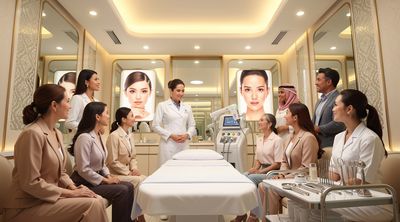
Cosmetic and Plastic Surgery in Bangkok and Phuket
Thailand has built a stellar reputation in aesthetic medicine. According to the International Society of Aesthetic Plastic Surgery (ISAPS), the country ranks among the top 10 worldwide for cosmetic procedures.
Rhinoplasty, commonly known as a nose job, costs between $1,000 and $5,500 in Thailand. Compare that to the $5,000 to $10,000 price tag in America, and you'll understand why thousands of patients travel here annually for facial procedures.
Breast augmentation follows the same pattern. Thai clinics charge $3,000 to $5,500 for high-quality implants, while U.S. patients pay $6,000 to $12,000 for comparable results.
Advanced techniques are standard practice here. Surgeons in Bangkok and Phuket routinely perform minimally invasive procedures including facelifts, liposuction, and eyelid surgery using the latest technology. Recovery times are shorter, scarring is minimized, and results rival anything available in Western countries.
Many clinics specialize exclusively in cosmetic work, performing hundreds of procedures monthly. This volume translates to exceptional surgical skill and predictable outcomes. Before-and-after galleries showcase transformations that would cost twice as much elsewhere.
Dental Work: Implants, Veneers, and Crowns
Dental tourism represents a huge segment of Thailand's medical travel industry. Over 1.2 million international patients visit annually specifically for dental treatments.
A single dental implant costs between $1,000 and $3,000 in Thailand, compared to $3,000 to $6,000 back home. For patients needing multiple implants, the savings multiply quickly.
Top dental centers like Bangkok International Dental Center (BIDC) spare no expense on technology. They utilize 3D imaging, CAD/CAM systems for same-day crowns, and laser dentistry for precision work. Success rates consistently exceed 95%, matching or beating Western standards.
Veneers and crowns follow similar pricing patterns. A full set of porcelain veneers might run $3,000 to $5,000 in Thailand versus $10,000 or more in the U.S. The materials are identical, often sourced from the same manufacturers.
Dental clinics in popular tourist areas like Bangkok and Phuket have designed their services around international patients. Multi-day treatment plans allow tourists to explore the country between appointments while completing comprehensive dental work at a fraction of Western costs.
Orthopedic and Heart Surgery
Serious medical procedures demonstrate Thailand's capabilities beyond cosmetic work.
Hip and knee replacements at premier Thai hospitals cost between $7,000 and $18,000. This represents savings of up to 80% over the $35,000 to $50,000 typical hip replacement cost in America.
Heart bypass surgery shows even more dramatic differences. Coronary Artery Bypass Grafting (CABG) ranges from $10,000 to $35,000 in Thailand versus $70,000 to $200,000 in the United States. For patients without adequate insurance, this price gap literally saves lives.
Thai orthopedic surgeons specialize in advanced minimally invasive techniques. Endoscopic spine surgery, arthroscopic joint repair, and robotic-assisted procedures are widely available. Smaller incisions mean less pain, reduced infection risk, and faster recovery times.
Post-operative care includes comprehensive physical therapy and rehabilitation services. Patients receive personalized recovery plans with regular follow-up appointments. Many hospitals offer extended-stay packages that include everything from surgery through complete rehabilitation.
Fertility Treatments (IVF)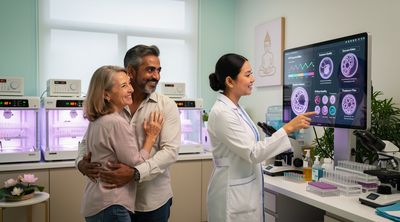
Couples struggling with infertility find hope and affordability in Thailand's fertility clinics.
Thai fertility centers report IVF and ICSI success rates between 60% and 70%, comparable to leading clinics worldwide. A single IVF cycle costs between $3,000 and $13,700, compared to $10,000 to $20,000 in the United States.
Well-equipped fertility centers provide comprehensive services including hormone therapy, intrauterine insemination (IUI), in vitro fertilization (IVF), and intracytoplasmic sperm injection (ICSI). Advanced genetic screening is available for couples concerned about hereditary conditions.
Doctors spend considerable time with each couple, developing customized treatment protocols. The patient-to-doctor ratio is often better than in Western clinics, ensuring personalized attention throughout the process.
Many couples combine multiple IVF attempts in Thailand for less than the cost of a single cycle back home. This financial flexibility reduces stress and increases overall chances of success.
What Makes Medical Treatment in Thailand So Affordable?
Lower prices naturally raise questions about quality. Understanding the economic factors behind Thai healthcare costs reveals why affordability doesn't mean compromised care.
The cost of living in Thailand is significantly lower than in America. Rent, utilities, and staff salaries cost a fraction of what hospitals pay in Western countries. These savings flow directly to patients through reduced procedure costs.
Intense market competition drives prices down further. Hundreds of high-quality private hospitals and clinics compete vigorously for international patients. This competitive environment keeps pricing aggressive while maintaining service standards.
Exchange rates work in your favor. A strong U.S. dollar against the Thai Baht stretches your purchasing power considerably. What seems expensive to local Thai patients represents incredible value to Americans.
Here's the crucial point: Lower operating costs don't mean lower quality. Thai hospitals use the same medical equipment, pharmaceuticals, and implants as Western facilities. Many surgeons trained at top American and European institutions before returning home. The difference is economic efficiency, not corner-cutting.
The medical tourism industry in Thailand operates on volume rather than markup. Hospitals treat thousands of international patients annually, allowing them to profit on smaller margins per procedure. This business model benefits everyone involved.
Finding the Best Hospital in Thailand: JCI-Accredited Excellence
Choosing the right hospital is critical to your medical journey. Thailand offers numerous world-class options.
Bumrungrad International Hospital: A World-Class Private Hospital
Bumrungrad International stands as Thailand's flagship medical institution. It holds the distinction of being the only Thai hospital featured on Newsweek's prestigious list of the world's 250 best hospitals.
This isn't your typical hospital. Bumrungrad International offers a five-star experience with luxury accommodations that resemble upscale hotels more than medical facilities. Live piano music fills the lobby, on-site spas provide relaxation, and gourmet dining options cater to international tastes.
Comprehensive support services remove the stress from medical travel. The hospital provides visa assistance, airport transfers, professional translation services in dozens of languages, and dedicated international patient coordinators who guide you through every step.
Over 1.2 million patients visit Bumrungrad International annually, with more than 600,000 traveling from abroad. This volume ensures doctors maintain cutting-edge skills across every specialty.
Other Top Hospitals for Medical Tourists
Bangkok Hospital Phuket combines accredited medical excellence with tropical island recovery. This JCI-certified facility specializes in dental care, cosmetic procedures, and orthopedic surgery. Customized packages include airport transfers, hotel accommodation, and comprehensive post-operative services.
MedPark Hospital in Bangkok has earned recognition as one of Newsweek's best hospitals for three consecutive years. The facility excels at handling complex medical conditions and works with numerous international insurance providers. Advanced cardiac care, oncology, and neurological services attract patients facing serious diagnoses.
Samitivej Sukhumvit Hospital has built its reputation on orthopedics, maternity care, and cosmetic surgery. English-speaking staff communicate easily with Western patients, and the hospital processes claims from major international insurance plans.
These top-tier facilities invest heavily in cutting-edge technology. Surgical robots like the da Vinci system enable precision procedures through tiny incisions. CyberKnife systems deliver radiation therapy with pinpoint accuracy. Advanced 3D imaging and AI-powered diagnostic tools ensure accurate treatment planning.
Planning Your Medical Travel to Thailand
Successful medical tourism requires careful planning. Here's how to organize your trip for the best possible outcome.
Visa Requirements for Medical Tourists
Most Americans find entry remarkably simple. Citizens from over 60 countries, including the United States and most European Union nations, can enter Thailand for 30 to 90 days without obtaining a visa in advance.
For longer stays or complex treatments requiring extended recovery, hospitals can help you secure a 90-day medical visa. This specialized visa category was created specifically for medical travelers. Extensions are possible with proper medical certification from your treating physician.
Always verify current requirements with the Thai Ministry of Foreign Affairs before booking your trip. Immigration rules occasionally change, and confirming details prevents unwelcome surprises at the airport.
The Treatment & Recovery Process
Planning starts before you leave home. Most Thai hospitals offer virtual consultations via video call. During this initial meeting, you'll discuss your medical needs and expected outcomes.
You'll need to provide your complete medical history, recent scans or X-rays, and a detailed list of current medications. This information allows doctors to develop accurate treatment plans and cost estimates.
Book your flight to arrive several days before your scheduled procedure. This buffer allows time for in-person consultations, pre-operative testing, and adjustment to time zone differences. Rushing directly from the airport to surgery is never advisable.
Recovery periods vary by procedure. Minor cosmetic work might require just a few days, while major orthopedic surgery needs one to two weeks of supervised recovery. Thai hospitals provide robust post-operative care including physical rehabilitation, telemedicine follow-ups, and private nurse visits if needed.
Aviation medicine recommends waiting at least one week after general anesthesia before flying. This precaution reduces risks associated with blood clots and allows initial healing to progress. Your surgeon will provide specific clearance for air travel based on your procedure and recovery progress.
Combining Treatment with a Thai Vacation
Smart patients turn medical necessity into memorable experiences. Thailand's world-famous destinations offer perfect settings for recuperation.
Bangkok combines modern convenience with cultural richness. Between appointments, explore ornate temples, vibrant markets, and world-class restaurants. Phuket and other beach destinations let you recover with ocean views and gentle sea breezes. Chiang Mai's cooler mountain climate and serene atmosphere promote healing.
During recovery, stick to gentle activities. Temple visits, leisurely beach walks, and professional spa treatments support healing without overtaxing your body. Thai massage therapy, when cleared by your doctor, can aid circulation and reduce swelling.
Many patients enhance their medical journey with wellness programs. Yoga retreats, meditation centers, and detox programs complement medical treatment with holistic approaches to health. This integrated approach addresses both physical recovery and mental well-being.
Frequently Asked Questions
Is medical care in Thailand safe?
Yes. Top Thai hospitals maintain JCI accreditation, which requires meeting the same rigorous safety standards as leading American and European facilities. Surgeons often train internationally and many speak fluent English.
Will my insurance cover treatment in Thailand?
Some international insurance plans cover overseas medical care. Check your policy details before traveling. Many patients without coverage still save money paying cash in Thailand compared to insured costs in the U.S.
How do I choose the right hospital?
Research JCI-accredited hospitals specializing in your needed procedure. Read patient reviews, verify doctor credentials, and schedule virtual consultations with multiple facilities before deciding.
What if complications arise after I return home?
Reputable hospitals provide telemedicine follow-up care and work with local doctors if complications develop. Some facilities cover return trips for revision procedures. Discuss these policies before committing to treatment.
Can I bring a companion?
Absolutely. Most patients bring a family member or friend for support. Hospitals can arrange companion accommodations, and having someone to help during recovery provides practical and emotional benefits.
Final Thoughts About Medical Tourism in Thailand
Thailand offers an unbeatable combination of internationally accredited medical care and savings ranging from 50% to 80% compared to U.S. prices. From Bumrungrad International to specialized clinics across Bangkok and Phuket, patients access top-tier doctors and advanced technology at a fraction of Western costs.
The opportunity to recover in a beautiful, welcoming country transforms medical necessity into a restorative journey. For Americans facing overwhelming healthcare expenses, a well-planned trip to Thailand represents a smart investment in health and financial well-being.