
Veneers Cost in Mexico: 2026 Price Guide (Save 70%)

Table of Contents
- How Much Do Veneers Cost in Mexico vs. The US? A Price Showdown
- Full Set of Veneers in Mexico: A Detailed Cost Breakdown by Material
- City by City: Where to Find the Best Veneers Cost in Mexico
- Why Is Getting Veneers So Much Cheaper in Mexico?
- Planning Your Veneers Treatment: How to Get Veneers in Mexico
- Porcelain vs. Composite Veneers: Which is Right for You?
- Frequently Asked Questions
Ready for a Hollywood smile without the Beverly Hills price tag? This guide breaks down the exact cost of dental veneers in Mexico, showing you how to save over 70% on high-quality materials like porcelain and zirconia.
We'll compare prices city by city, detail the full veneers procedure, and reveal why getting your veneers in Mexico is a safe, smart choice.
How Much Do Veneers Cost in Mexico vs. The US? A Price Showdown
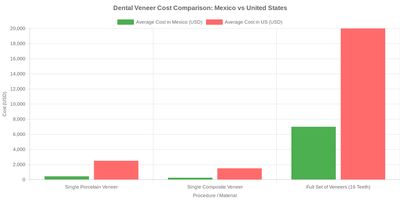
The financial contrast between getting veneers in Mexico versus the United States is staggering. When you look at the numbers side by side, the savings become impossible to ignore.
Here's what you need to know:
The cost difference isn't just noticeable. It's transformative.
Veneers Price Comparison: Mexico vs. United States
| Procedure / Material | Average Cost in Mexico (USD) | Average Cost in US (USD) | Savings |
|---|---|---|---|
| Single Porcelain Veneer | $450 | $2,500 | 82% |
| Single Composite Veneer | $250 | $1,500 | 83% |
| Full Set of Veneers (16 Teeth) | $7,000 | $20,000+ | 65%+ |
These aren't promotional prices or limited-time offers. This is the standard pricing structure you'll find at reputable dental clinics throughout Mexico.
Think about it this way: What you'd pay for just three veneers in the US could cover an entire full set of veneers in Mexico, including your travel expenses.
Key Savings Insights
Patients consistently save between 65% and 93% on teeth veneers in Mexico compared to the US and Canada. That's money that stays in your pocket instead of disappearing into inflated healthcare costs.
The dramatic price difference exists for several concrete reasons:
Mexico's cost of living is up to 85% lower than in the United States. This isn't about cutting corners. It's about economic reality translating into genuine savings for patients.
Dentists in Mexico operate with significantly reduced overhead costs. Clinic rent, utilities, and staff salaries all reflect the local economy, not American price inflation.

Local medical device manufacturing also plays a crucial role. Cities like Tijuana produce medical supplies for all of North America, eliminating expensive import costs and middlemen.
The proximity advantage matters more than you might think. Mexico shares a border with the US, making it far more accessible than distant destinations like Turkey. Over 10,000 patients choose Mexico for dental tourism annually, and the numbers keep growing.
You can drive to many Mexican border cities in just a few hours. No long international flights. No jet lag. No complicated travel arrangements.
Full Set of Veneers in Mexico: A Detailed Cost Breakdown by Material
Understanding your material options is essential for making an informed decision about your smile makeover. Each type of veneer comes with distinct advantages, longevity expectations, and price points.
Let's break down exactly what you'll pay for each option.
Porcelain Veneers Cost in Mexico (eMax)
Porcelain veneers represent the gold standard in cosmetic dental work. The material's durability, natural appearance, and stain resistance make it the preferred choice for permanent smile transformations.
The average price for a single eMax porcelain veneer ranges from $450 to $550. This per tooth cost includes the veneer itself, lab fabrication, and placement.
For larger transformations, here's what you're looking at:
A full arch covering 10 veneers costs approximately $4,500. This covers either your upper or lower teeth for a complete transformation.
A full mouth restoration with 20 veneers runs about $9,000. That's both upper and lower arches, giving you a completely new smile.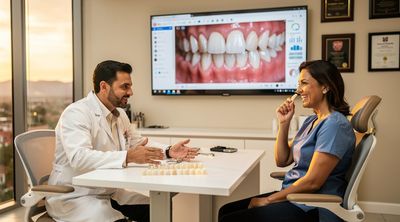
Porcelain veneers last 10 to 20 years with proper care. They resist staining from coffee, wine, and tobacco far better than natural teeth. Many clinics use premium brands like Ivoclar for their Empress and eMax products, ensuring you receive laboratory-grade materials.
The translucent quality of porcelain mimics natural tooth enamel almost perfectly. Even dental professionals have difficulty distinguishing quality veneers from natural teeth.
Composite Veneers Cost: The Most Affordable Option
Composite resin veneers offer an entry point for patients on tighter budgets. They're not as durable as porcelain, but they still deliver impressive aesthetic improvements.
Prices range from $100 to $250 per tooth. This makes them the most budget-friendly choice available.
For full transformations:
A full arch of 10 veneers costs approximately $2,500. That's half the price of porcelain for the same number of teeth.
A full mouth with 20 veneers runs about $5,000. You could transform your entire smile for less than the cost of two porcelain veneers in the US.
The trade-off comes in longevity. Composite veneers typically last 5 to 7 years before requiring replacement or touch-ups. They're also more susceptible to staining and chipping than porcelain options.
However, the procedure time is shorter. Composite veneers can often be completed in a single visit, making them ideal for patients with limited time.
Zirconia & Lumineers Veneers Cost
Zirconia veneers bring exceptional strength to the table. This material resists fracturing better than standard porcelain, making it ideal for patients who grind their teeth or need extra durability.

Zirconia typically costs between $250 and $550 per tooth in Mexico. The price varies based on the specific brand and fabrication technique used.
Lumineers represent a different approach entirely. These ultra-thin veneers require minimal tooth preparation, preserving more of your natural enamel.
Lumineers cost between $250 and $550 per tooth, similar to traditional porcelain pricing. The key advantage isn't cost, but the minimally invasive procedure.
Traditional veneers require removing 0.3 to 0.6mm of enamel. Lumineers often need little to no removal, making the process more conservative and sometimes reversible.
City by City: Where to Find the Best Veneers Cost in Mexico
Location matters when planning your dental procedure. Different Mexican cities offer varying price points, amenities, and accessibility options.
Here's your city-by-city breakdown:
Price Comparison of Porcelain Veneers Across Mexican Cities
| City | Porcelain Per Tooth (USD) | Full Set Porcelain (10 Veneers, USD) | Notes / Key Features |
|---|---|---|---|
| Chapala | $200–$250 | $2,000–$2,500 | Offers the lowest prices, with savings up to 92%. |
| Ciudad Juárez | $250 | $2,500 | An accessible border town with extremely competitive pricing. |
| Tijuana | $425–$480 | $4,200–$4,800 | A major hub for medical device manufacturing, ensuring access to quality materials. |
| Los Algodones | $350–$550 | $3,500–$5,500 | "Molar City" offers packages with free lodging for extensive treatments. |
| Cancun/Playa del Carmen | $450 | $4,500 | Combines top-tier dental care with a vacation destination; many packages include lodging. |
| Mexico City | $350–$450 | $3,500–$4,500 | The capital city offers a blend of competitive prices and high-tech clinics. |
Chapala and Ciudad Juárez deliver the absolute lowest prices. These smaller cities compete aggressively for patients, driving costs down while maintaining quality standards.
Veneers in Tijuana come at slightly higher prices, but for good reason. The city's position as a manufacturing hub means clinics have direct access to premium materials without markup. The infrastructure for medical tourism is also highly developed.
Los Algodones, also known as the Molar City hub, packs over 350 dentists into a town of 5,000 residents. The competition is fierce, and many clinics offer free lodging for patients getting extensive work done.
Veneers in Cancun and Playa del Carmen combine dental work with vacation time. You'll pay slightly more, but many patients appreciate recovering on the beach while their veneers settle. Watch this smile makeover in Mexico testimonial to see actual results.
Mexico City offers cutting-edge technology and experienced specialists. The capital attracts top dental talent and invests heavily in advanced equipment.
Why Is Getting Veneers So Much Cheaper in Mexico?
Lower prices naturally raise questions. Many patients wonder if they're sacrificing quality for affordability.
The answer is no. Here's why the economics work:
Lower Operational & Living Costs
The cost of living in Mexico is up to 85% lower than in the United States. This fundamental economic difference cascades through every aspect of dental care.
Clinic rent in Mexico City costs a fraction of what dentists pay in Los Angeles or New York. The same applies to utilities, insurance, and administrative overhead.
Staff salaries reflect local economic conditions. Dental assistants and support staff earn fair wages by Mexican standards while costing clinics significantly less than American equivalents.
Education costs matter too. Mexican dentists graduate with minimal student debt compared to their US counterparts, who often carry $300,000 or more in loans. Without crushing debt to repay, Mexican dentists can charge reasonable fees while still earning excellent incomes.
Local Manufacturing and High Competition
Cities like Tijuana serve as manufacturing hubs for North American medical devices. The supplies and materials used in your veneers treatment are produced locally, eliminating import costs and tariffs.
This isn't about inferior products. These are the same materials exported to US dental offices at marked-up prices.
Competition drives innovation and affordability. Popular dental tourism cities host hundreds of clinics competing for patients. This naturally drives prices down while pushing quality standards up.
To stand out, leading dental clinics invest in advanced technology. CAD/CAM milling systems, 3D scanners, and in-house labs are standard equipment at top facilities. They use the same technology found in premium US dental offices.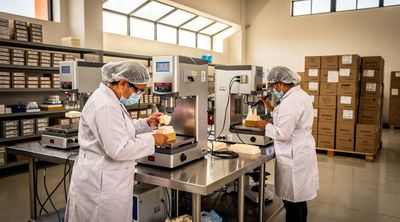
The best clinics also pursue international accreditations and send dentists to continuing education courses in the US and Europe. Quality isn't sacrificed. It's enhanced through competition.
Planning Your Veneers Treatment: How to Get Veneers in Mexico
Proper planning ensures your veneers treatment goes smoothly. Understanding the timeline, finding the right clinic, and knowing what's included in your package all contribute to a successful outcome.
Here's your roadmap:
The Veneers Procedure Timeline: What to Expect
Most veneers treatments require a 5 to 7-day stay to complete. The exact timeline depends on which type of veneer you choose.
Lumineers take 3 to 4 days due to their minimal preparation requirements. The process moves faster when less tooth preparation is needed.
Composite veneers require 4 to 5 days. While they can sometimes be completed faster, allowing time for adjustments ensures optimal results.
eMax porcelain veneers need 5 to 7 days. The lab fabrication process requires time, and rushing it compromises quality.
The process follows a structured timeline:
Your first appointment includes a consultation and digital smile design. The dentist examines your teeth, discusses your goals, and creates a digital preview of your new smile.
Next comes minimal enamel trimming, typically removing just 0.3 to 0.6mm. This conservative approach preserves tooth structure while creating space for the veneers.
Impressions or digital scans capture precise measurements. These go to the lab for custom fabrication.
Temporary dental veneers protect your prepared teeth while the permanent ones are created. These also let you preview the shape and size of your final results.
Finally, the permanent veneers are cemented in place after careful fitting and adjustment. Top clinics offer a free PMMA mock-up, allowing you to see and approve your new smile before the final veneers are made.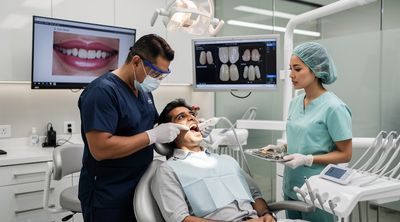
Finding the Best Dentists in Mexico for Your Full Smile Makeover
Research separates excellent experiences from disappointing ones. Take time to verify credentials and read patient reviews before committing.
Look for dentists who belong to accredited organizations like the American Dental Association or the Asociación Dental Mexicana. Membership demonstrates commitment to professional standards.
Verify that the cosmetic dental clinic uses modern technology. CAD/CAM systems and 3D CBCT scanners ensure precision that hand-crafted methods can't match.
Read recent reviews from actual patients. Look for detailed testimonials that discuss communication, results, and the overall experience. Video testimonials carry more weight than text reviews.
What's Included in a Full Set of Veneers Package?
Understanding what's included prevents surprise costs. Reputable clinics offer transparent pricing that covers all essential elements.
The core veneers treatment includes the veneers themselves, lab fees, impressions or scans, digital smile design, and final placement. This represents the baseline you'll find at any legitimate facility.
Many clinics catering to international patients add valuable extras:
Free initial consultations and digital X-rays help you understand your options without financial commitment.
Free transportation between your hotel and the dental clinic eliminates logistics concerns. Most facilities provide this service throughout your treatment.
Concierge services assist with travel arrangements, accommodation recommendations, and local navigation. This support proves especially valuable for first-time visitors.
Some clinics offer free lodging in clinic-owned suites for patients receiving extensive work like a full set of veneers. This convenience factor can significantly reduce your total trip cost.
Always request a detailed breakdown of what's included before committing. Reputable clinics provide this information upfront without pressure tactics.
Porcelain vs. Composite Veneers: Which is Right for You?
Choosing between porcelain and composite veneers depends on your budget, timeline, and long-term goals. Both deliver smile improvements, but they serve different needs.
Durability and lifespan favor porcelain dramatically. Porcelain veneers last 10 to 20 years with proper care, while composite typically requires replacement after 5 to 7 years.
Do the math: Porcelain might cost more upfront, but the extended lifespan often makes it more economical long-term. Replacing composite veneers twice costs more than getting porcelain once.
Aesthetics and stain resistance also distinguish the materials. Porcelain mimics the translucent quality of natural tooth enamel beautifully. It reflects light the way real teeth do, creating a natural appearance even under scrutiny.
Composite resin looks good initially but stains more easily. Coffee, tea, wine, and tobacco discolor composite faster than porcelain. Chipping also occurs more frequently with composite materials.
Cost of veneers and procedure time present the strongest arguments for composite. The lower usd per tooth price makes composite accessible to patients on tight budgets. The faster procedure time appeals to those who can't dedicate a full week to treatment.
Porcelain requires multiple visits spread over several days while a lab fabricates your custom veneers. Composite can often be completed in a single extended appointment since the dentist applies the material directly.
Frequently Asked Questions
How long do veneers from Mexico last?
Porcelain veneers from Mexico last 10 to 20 years with proper care, exactly like veneers placed in the US. Composite veneers last 5 to 7 years.
Are Mexican dentists qualified to perform veneer procedures?
Yes, many Mexican dentists receive excellent training and maintain certifications from international organizations. The best practitioners often study at US dental schools or complete advanced training programs in cosmetic procedures. Always verify credentials and memberships in professional associations before choosing a provider.
What happens if I have problems with my veneers after returning home?
Reputable clinics offer warranties on their work, typically covering defects or failures for several years. Some provide free revisions if you can return to Mexico. Others coordinate with US dentists for warranty work. Always clarify warranty terms before starting treatment.
Can I combine veneers with other dental work in Mexico?
Absolutely. Many patients bundle multiple procedures into a single trip to maximize savings. Common combinations include cosmetic teeth whitening, premium dental crowns, complete implant solutions, or gum contouring. Discuss your complete wish list during consultation so the dentist can create a comprehensive treatment plan.